
Evidence boundary
A government biography is only a starting source. Ambedkar, Gandhi, Hindu traditions, Dalit communities and Indian society cannot be flattened into a simple hero-villain contrast.
GCSE case study · Human Rights
B. R. Ambedkar links Buddhist conversion with resistance to caste discrimination, legal reform and social equality.
01 · Case
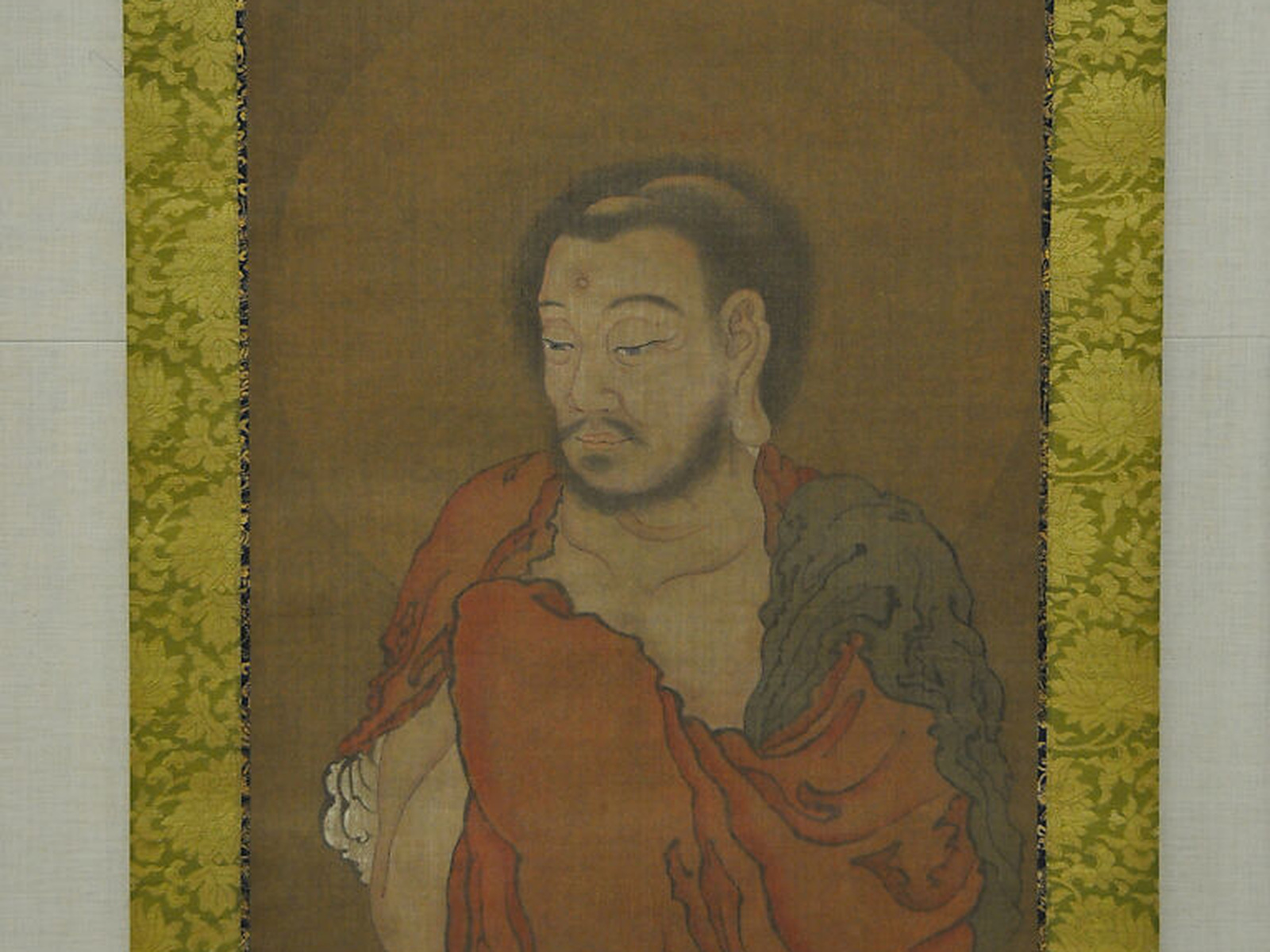
B. R. Ambedkar experienced caste discrimination, became a leading campaigner for the rights and dignity of oppressed communities, and played a central role in drafting the Constitution of India. On 14 October 1956, he converted to Buddhism with a large body of followers.
His conversion can be studied both as religious conviction and as a rejection of caste hierarchy. It connects identity, legal reform and social equality without implying that conversion by itself ended discrimination. The available government biography is a starting source; Ambedkar's own published arguments provide stronger evidence for his reasoning, and neither Hindu traditions nor Indian society should be flattened into a convenient hero-and-villain tale.
02 · Establish
Start with the boundary, then attach every claim to its receipt.
Evidence boundary
A government biography is only a starting source. Ambedkar, Gandhi, Hindu traditions, Dalit communities and Indian society cannot be flattened into a simple hero-villain contrast.
Ambedkar experienced caste discrimination, became a leading campaigner for the rights and dignity of oppressed communities and played a central role in drafting the Constitution of India.
Sources: Dr Ambedkar Foundation, Government of IndiaOn 14 October 1956 Ambedkar converted to Buddhism with a large body of followers.
Sources: Dr Ambedkar Foundation, Government of IndiaAmbedkar's conversion can be studied as religious conviction and a rejection of caste hierarchy. His own published arguments are stronger evidence than slogans.
Sources: Dr Ambedkar Foundation, Government of India03 · Test
Use the language carefully, find the tempting errors and inspect the complete evidence trail.
Concepts
Misconceptions
01. Caste is identical everywhere and unchanged.
02. All Hindus support caste discrimination.
03. Conversion alone ended discrimination.
Evidence trail
Test the claims above and notice what each source can — and cannot — show.
Dr Ambedkar Foundation, Government of India · official biographical
Government biography; pair interpretation with his writings where quotations are used. Checked 2026-08-18.Eduqas · assessment authority
Controls required content; it is not evidence that every named view is uncontested. Checked 2026-08-18.04 · Apply
Attempt each question in your notes or on paper before opening its indicative guidance.
State two accurate facts about B. R. Ambedkar: caste discrimination and Buddhist conversion.
Credit two distinct, source-supported facts. Do not credit an organisation claim as independently verified impact.
Explain how B. R. Ambedkar: caste discrimination and Buddhist conversion connects with caste discrimination, Dalit rights, human dignity, personal conviction, social justice, Buddhist conversion.
Develop at least two accurate case-to-concept links. Naming a concept without explaining the link is insufficient.
What can one source in this fact file establish, and what can it not establish on its own?
Identify the source and type, make one supported utility point and one precise limitation. Generic claims that a source is biased earn no credit without explanation.
'Changing religion is an effective way to challenge social injustice.' Evaluate this statement.
Use the case accurately as evidence, test more than one perspective and reach a justified conclusion. Case knowledge is evidence, not a substitute for reasoning.
Guidance is indicative, not an official mark scheme. This page does not collect or save answers.