Prisoner's Dilemma
If the other player defects, your one-shot payoff is still higher when you defect. Mutual defection is bad, but unilateral cooperation is worse for the cooperator.
Play the repeated dilemmaStrategy lab / shared costs
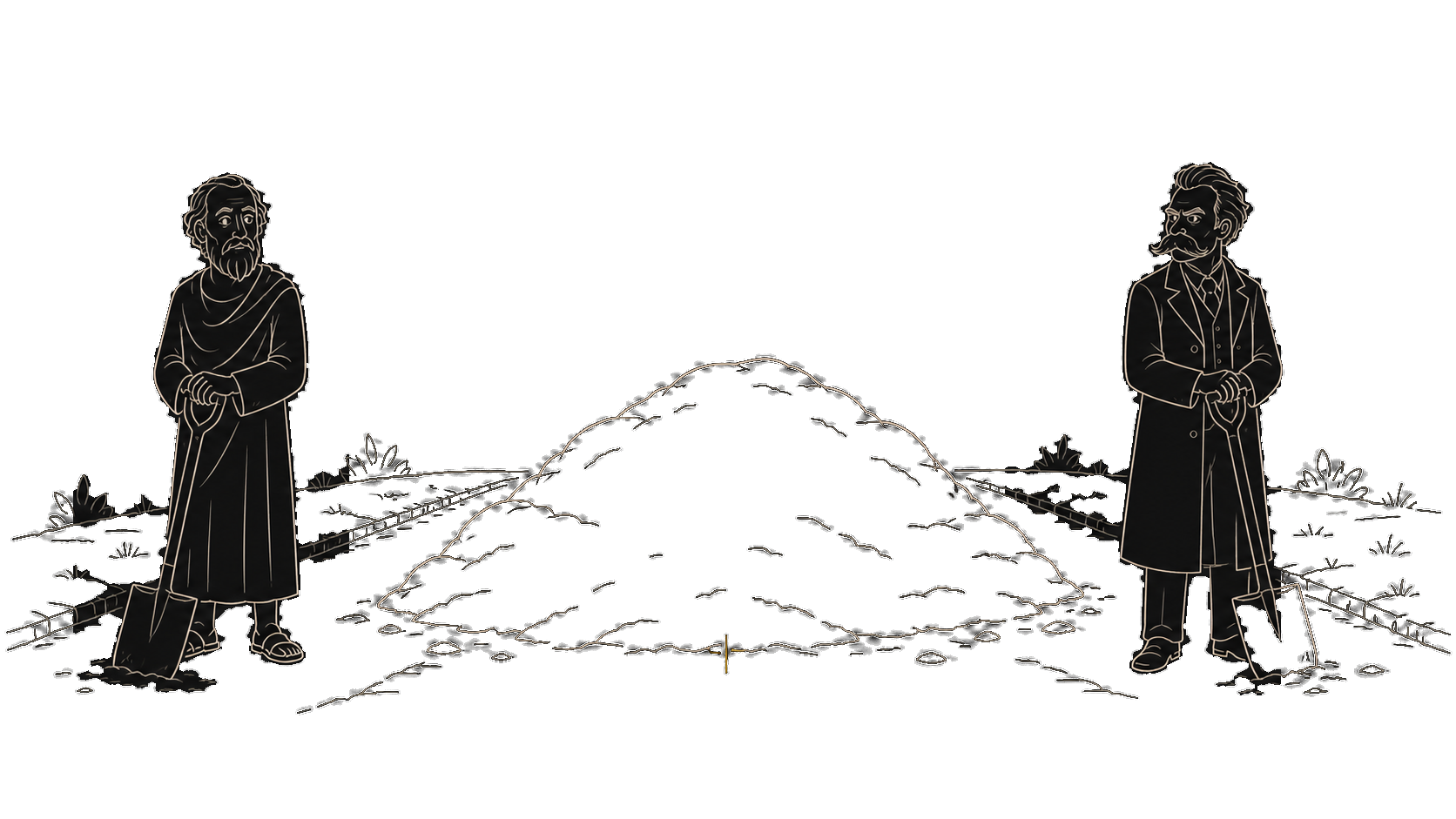
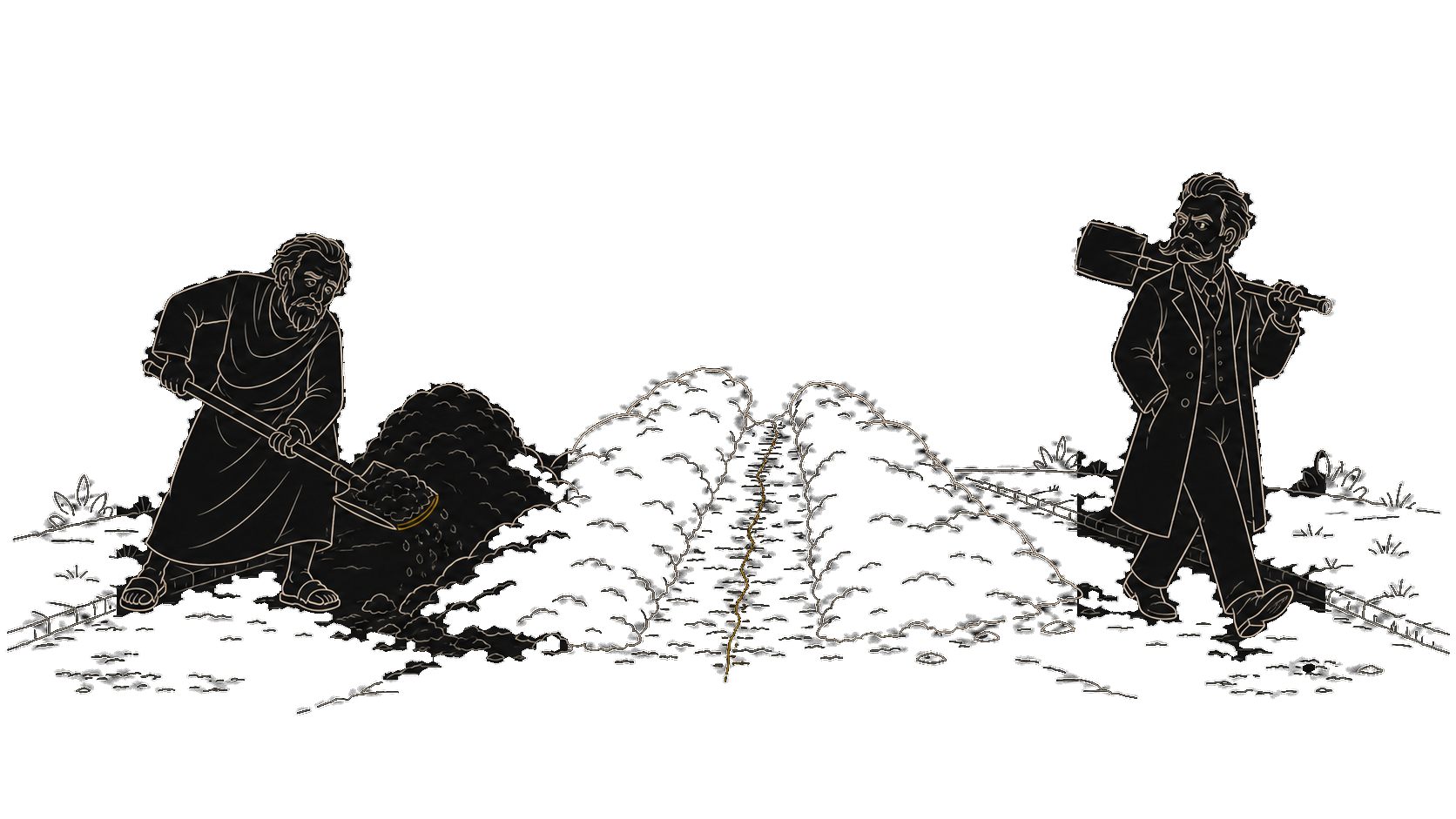
The road benefits both of you. The shovel costs whoever uses it. Change the conditions and watch the sensible response switch sides.
Set the conditions
Points each person receives if the road opens.
Points lost if one person does all the shovelling; shared equally if both shovel.
Estimate how often the other traveller would contribute across similar encounters.
Expected payoff
The balance point is 66.67%.
| Your move | They shovel | They wait |
|---|---|---|
| You shovel | ||
| You wait |
Experiment result
This compares strategic payoffs only. Fairness, duty, gratitude and the history between the travellers may supply further reasons.
Compare the structures
Both travellers want the road cleared. Each wants the other person to freeze, strain and pay the cost of clearing it. The game asks when exploitation is rational—and why somebody may still choose to do the work.
If the other player defects, your one-shot payoff is still higher when you defect. Mutual defection is bad, but unilateral cooperation is worse for the cooperator.
Play the repeated dilemmaIf the other traveller waits, shovelling still leaves you better off than remaining blocked. Mutual waiting is worse than paying the cost alone.
That reversal changes the equilibrium.