Preventing the greatest harm should guide action.
One death may be required when it is the only way to save five.
Ethics
The problem in miniature
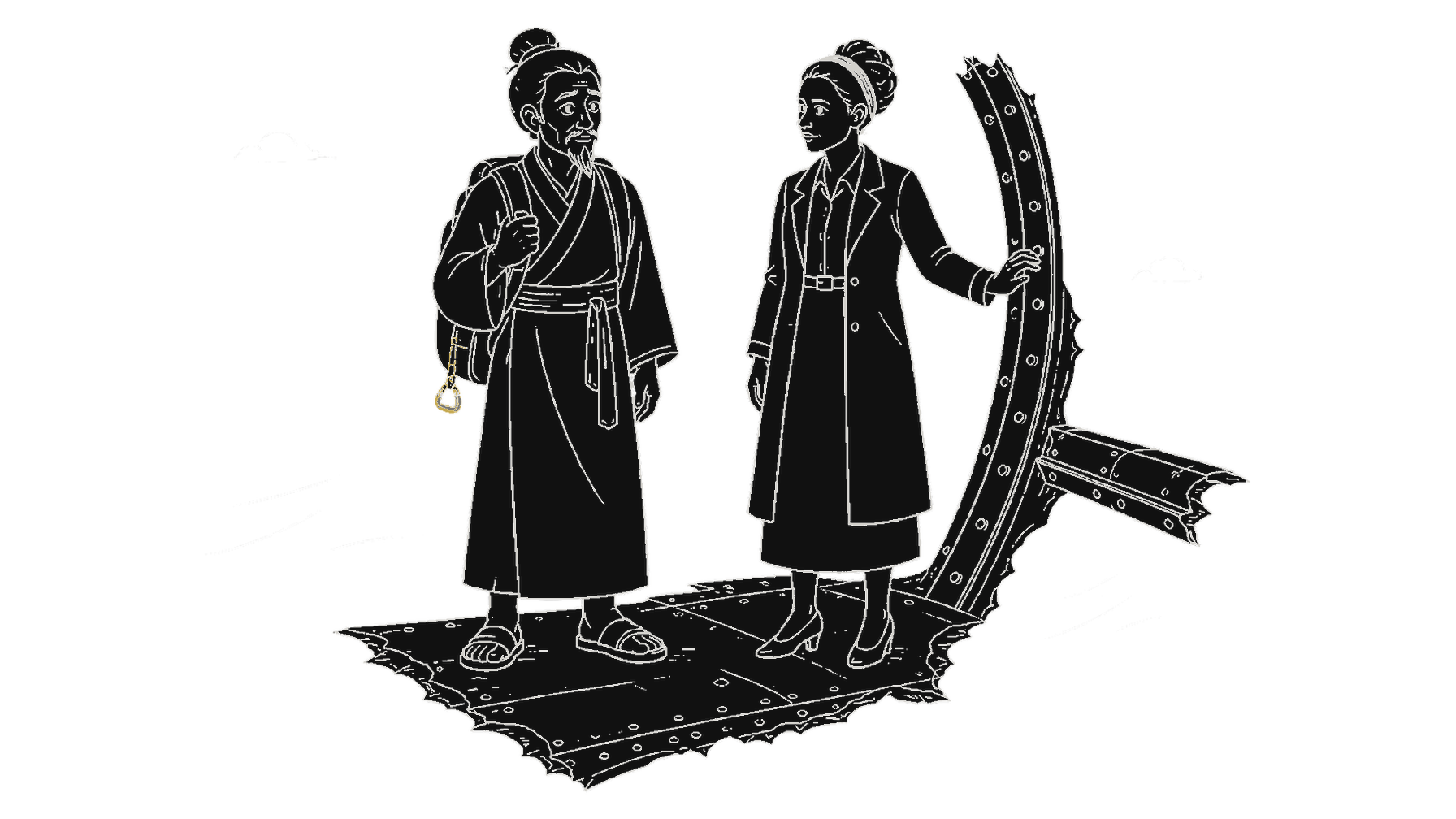
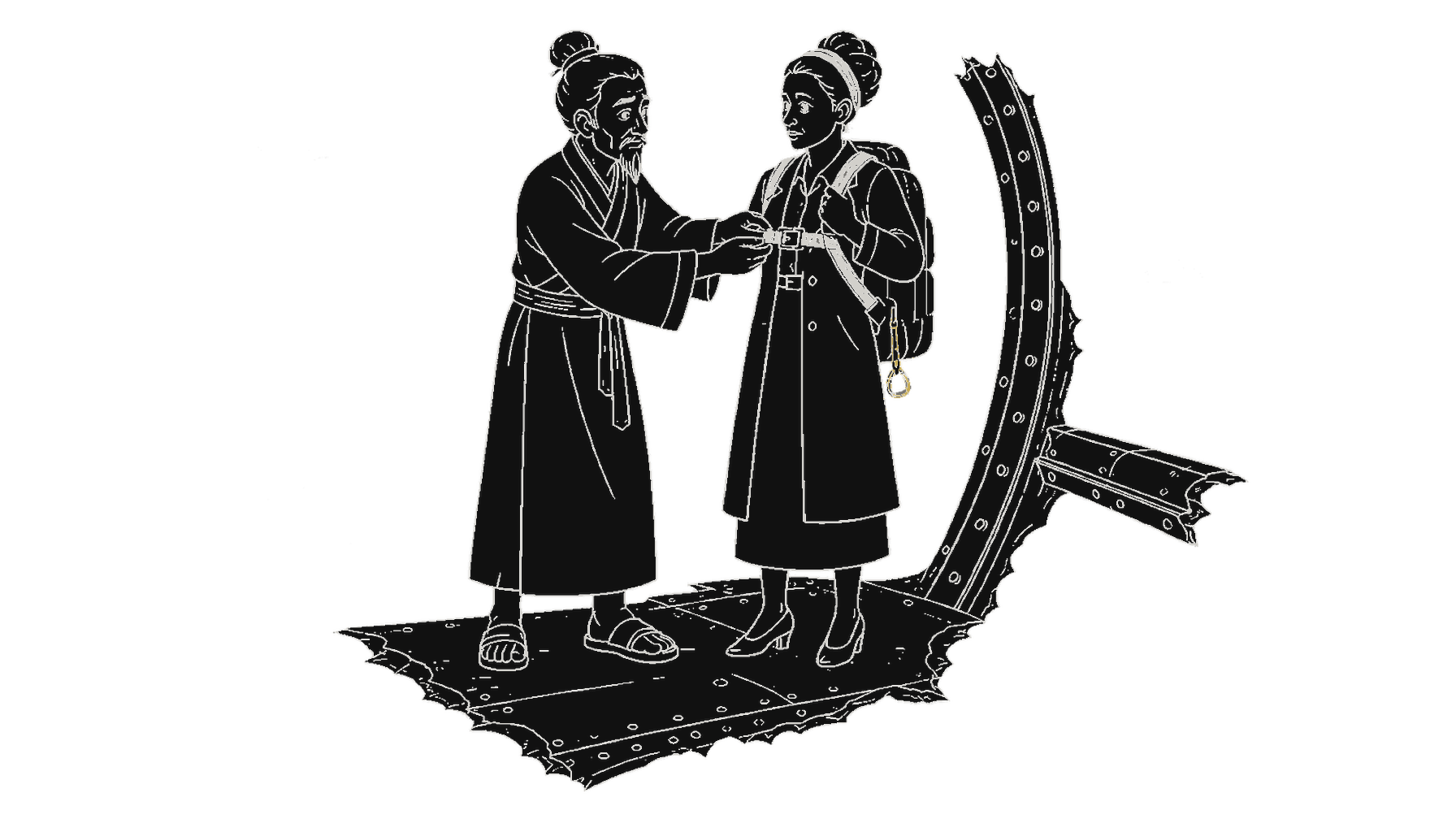
A runaway trolley will kill five people unless you divert it onto a side track where one person stands. Pulling a switch saves five and leads to one death. Now alter one feature: the trolley can be stopped only by pushing a person into its path. The numbers are unchanged, but the person is no longer a foreseen casualty on another route; their body is used as the means of rescue. Many people judge the cases differently. The puzzle is not a survey of instinct but a test of which moral difference can justify that change.
Why this is difficult
One death may be required when it is the only way to save five.
Some beneficial outcomes remain impermissible because of how they are produced.
The agent's plan matters, even where the physical outcome and number of deaths match.
Philosophers in the conversation
Utilitarian reasoning evaluates actions through their effects on well-being. Saving five rather than one initially seems decisive, but the calculation must include every consequence: fear, trust, rules and future behaviour, not simply the immediate body count. These indirect effects can therefore become morally decisive.
Kantian ethics asks whether a person's rational nature is respected as an end. Deliberately using someone as a tool for others' survival appears to violate that demand, even when the resulting world contains less suffering overall. The constraint protects each individual against aggregate calculation.
Foot introduced the trolley comparison while examining duties and the doctrine of double effect. Her cases distinguish what an agent intends from harmful effects they foresee, making the structure of the action — not only the total result — morally relevant.
Thomson develops trolley variants to test rights, agency and the moral significance of redirecting an existing threat. Her work shows how small changes in who acts, who owns a threat and how a person is involved can unsettle a simple numerical answer.
Key ideas
Follow the question through the curriculum
Builds competing methods for judging right action.
Continue into the curriculumTests · lessonUses trolley cases to expose what different moral theories count as decisive.
Continue into the curriculumApplies · unitTransfers the dispute into choices about life, death and scarce medical resources.
Continue into the curriculumReconsider your answer
Physical closeness and personal action strongly affect judgement, but those feelings may track a real difference in agency — or merely a bias produced by vivid contact.