Begin before you are ready
Inquiries
A public inquiry starts with one question, makes the easy answer difficult, and returns you to the curriculum with sharper language.
Question collection
Choose where to begin
Each route starts with a problem, brings rival answers into conversation, and leaves the final judgement with you.
Metaphysics and ethicsReader · Level 5Are we genuinely free to choose?Every choice has a history in character, biology and circumstance. If prior causes explain what you do, what kind of control could still make the action yours?Cause or authorship? A caused choice may still express the agent — unless freedom requires being the ultimate source of that agent.Follow the question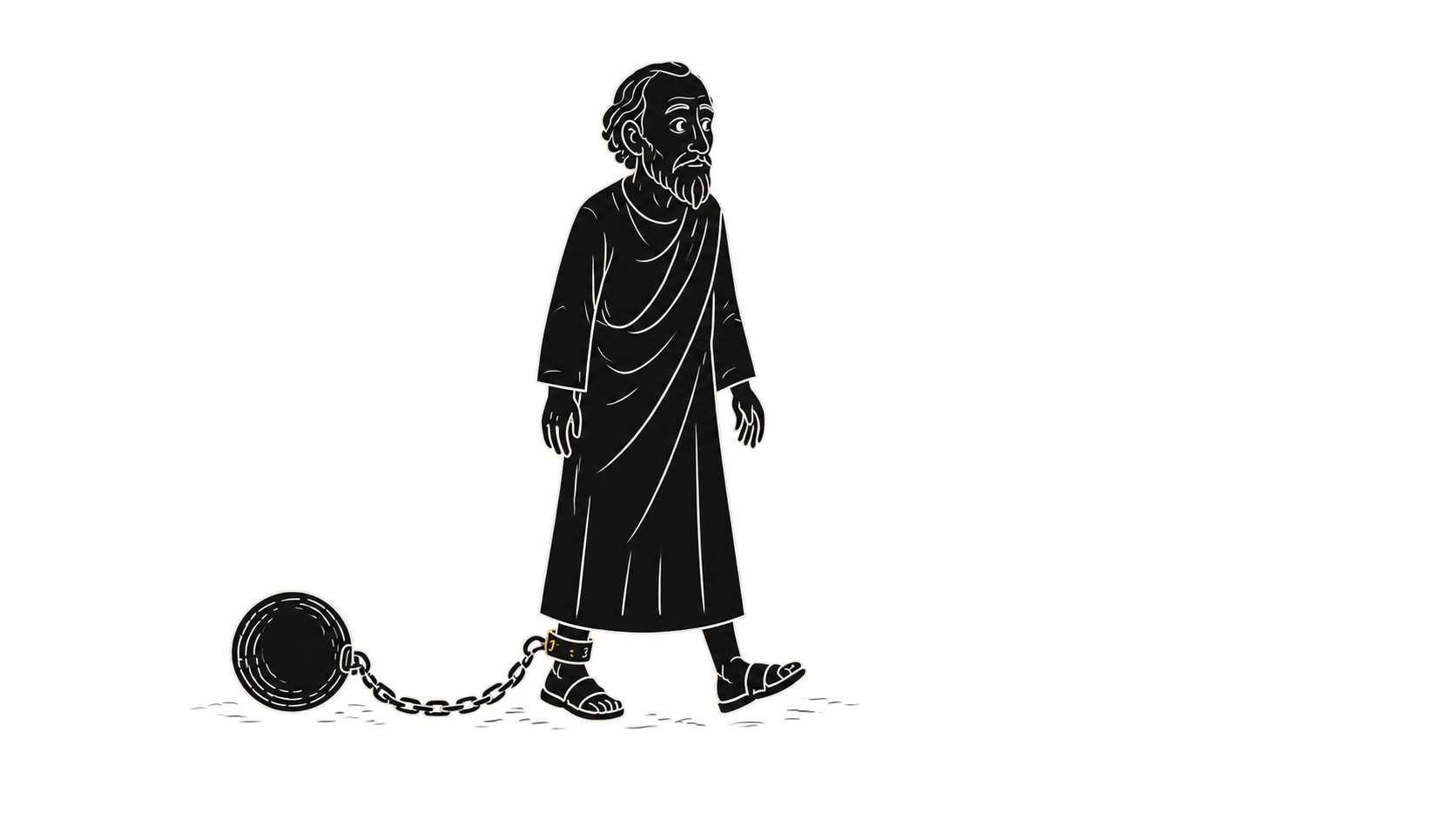
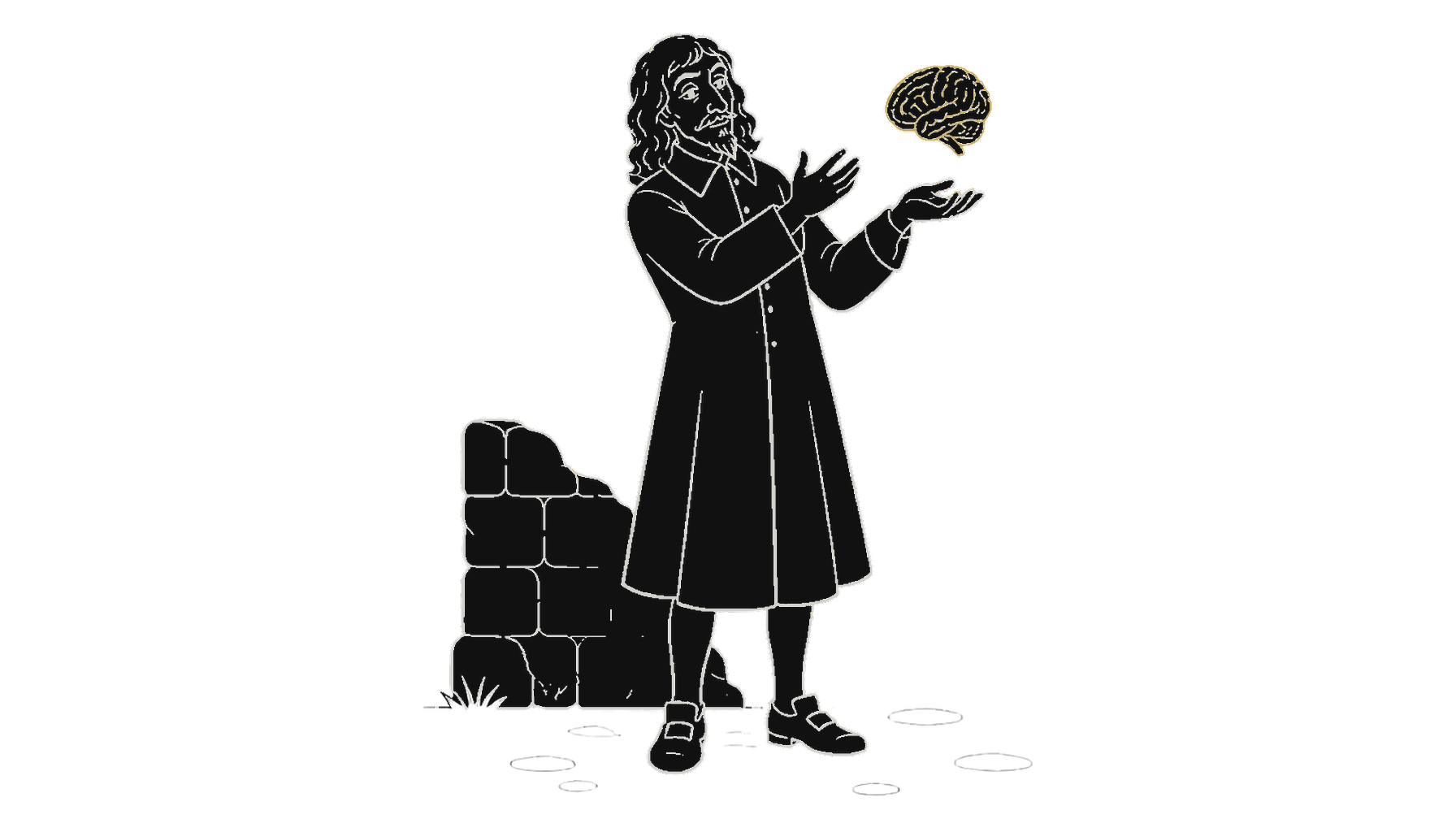
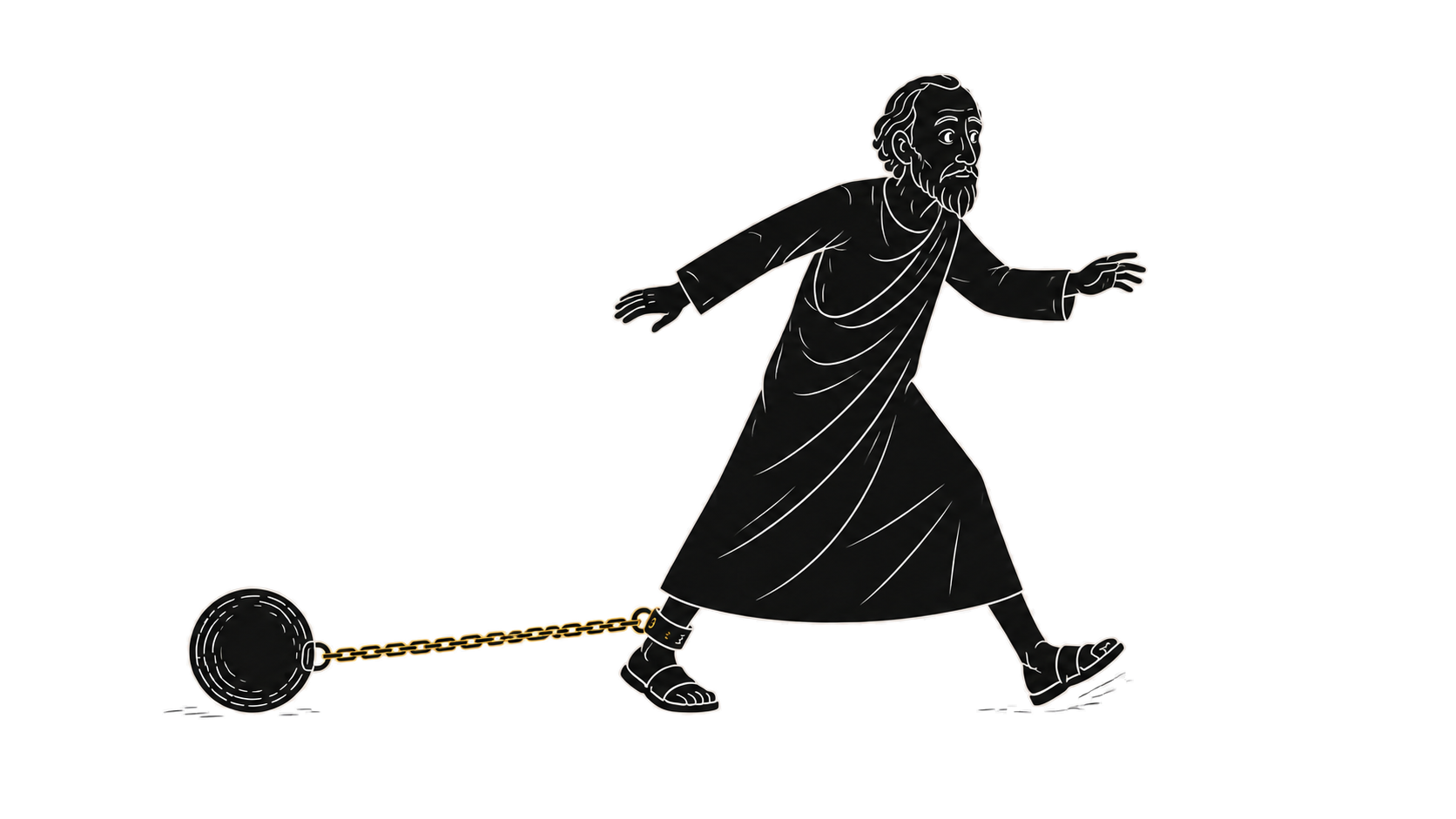 Philosophy of mindMaster · Level 6Can a mind exist without a body?Changes to the brain alter memory, mood and perception, yet conscious experience does not feel like a piece of matter. Is the mind non-physical, or something a body does?Two things or one? A close dependence between brain and experience does not by itself tell us whether they are identical.Follow the question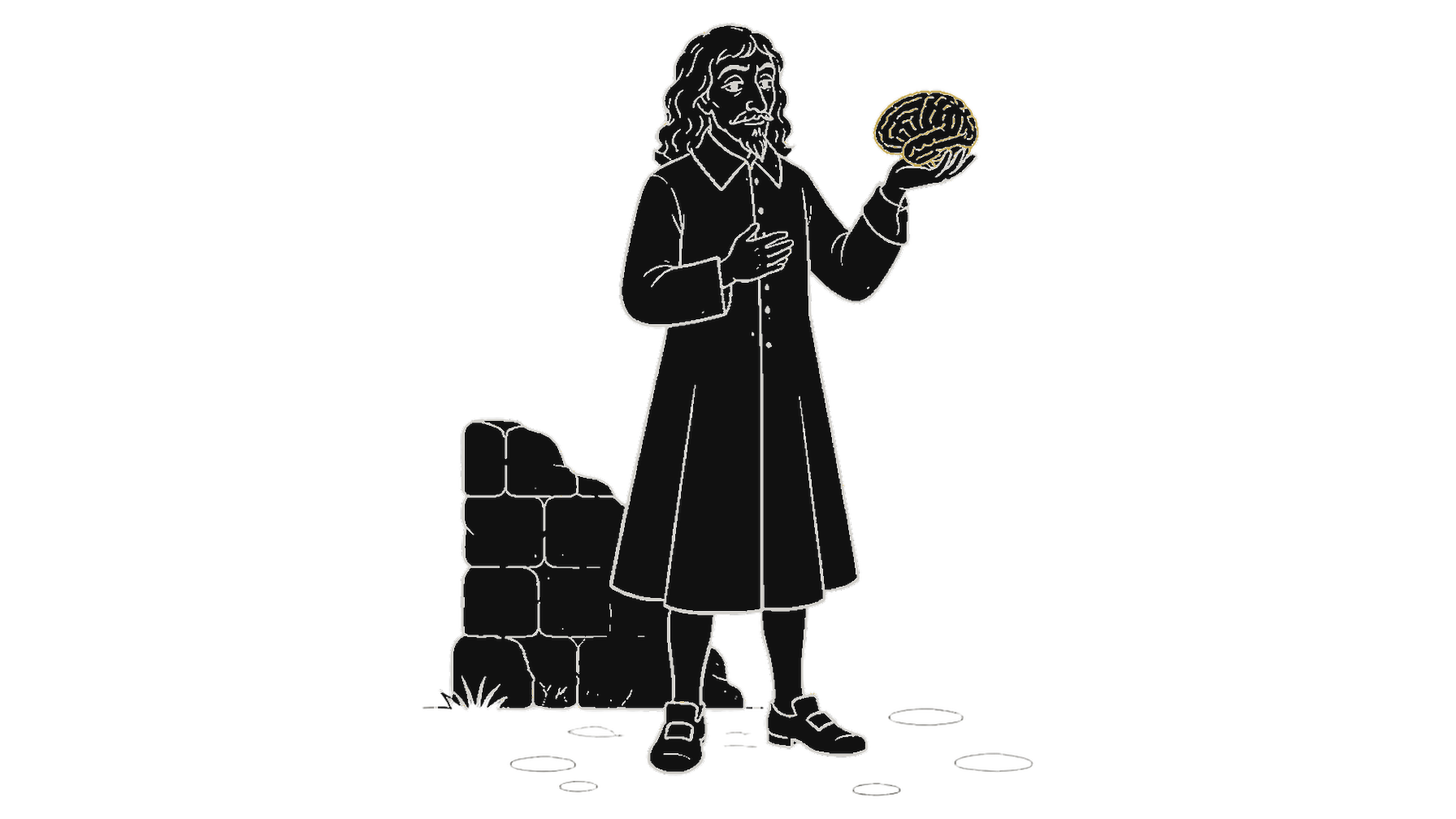
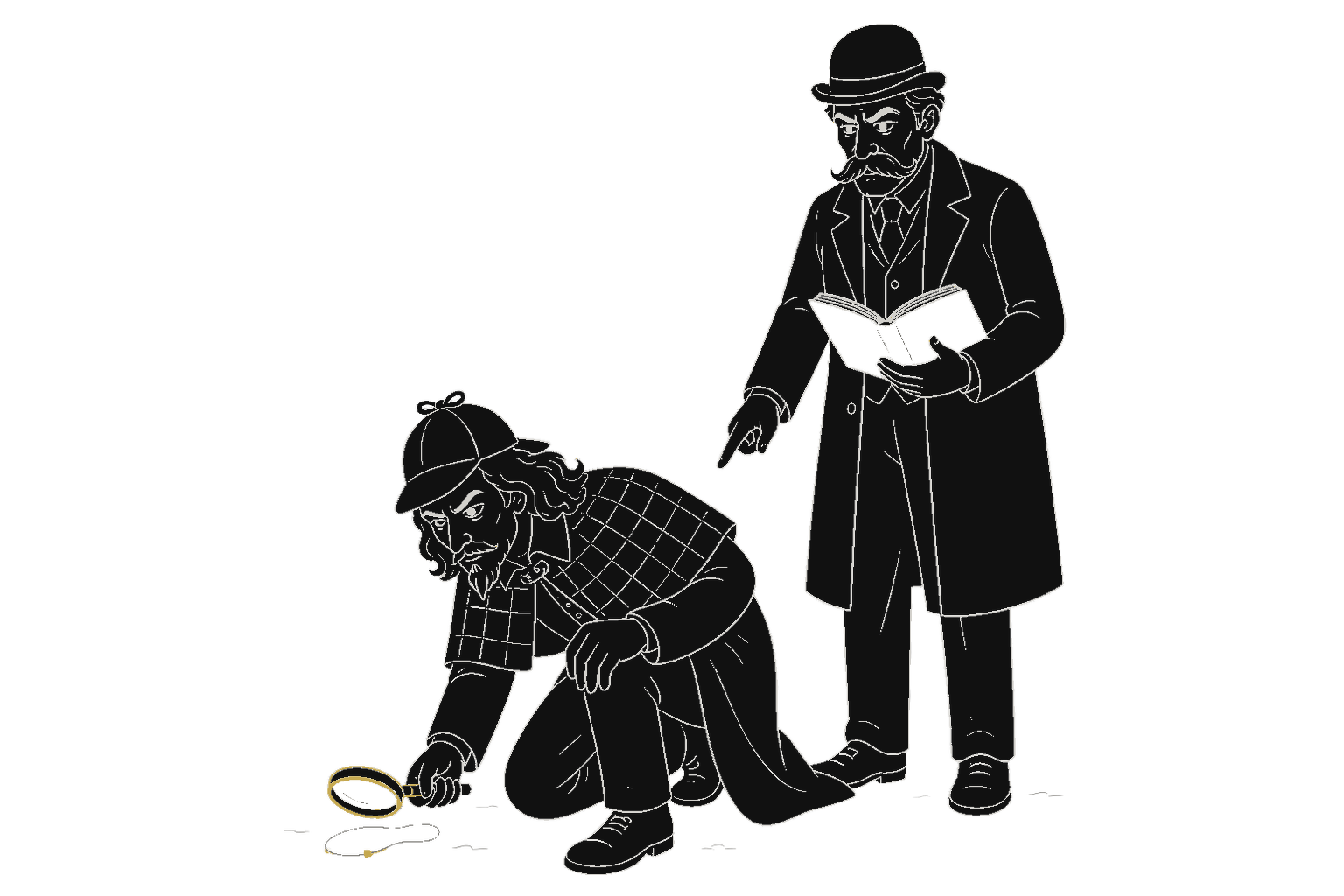
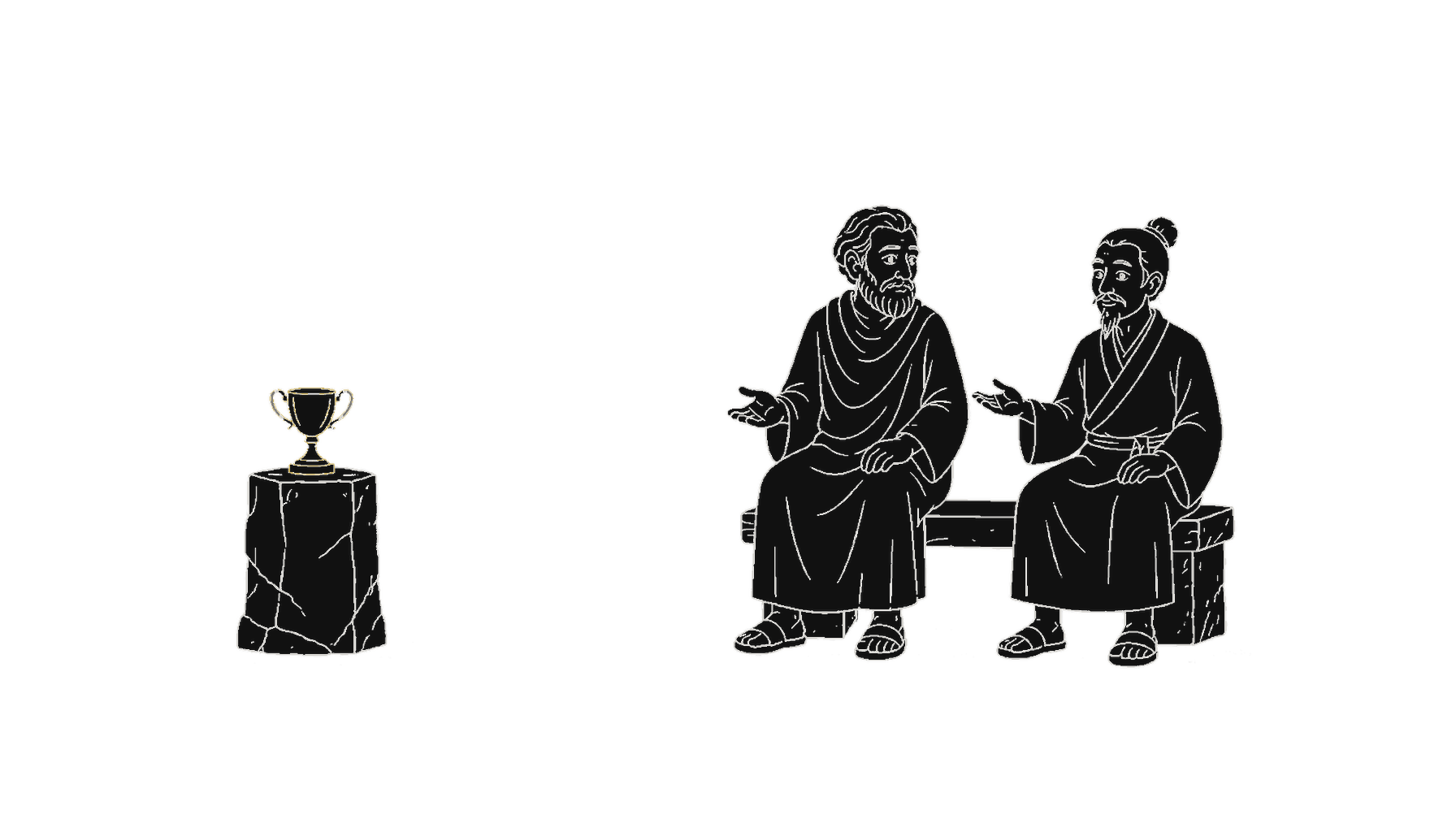
 EpistemologyApprentice · Levels 2–3Can trust replace evidence?What happens to knowledge when an artificial experience feels more convincing than the world?From shadow to form A convincing appearance may earn attention. It has not yet earned belief.Follow the question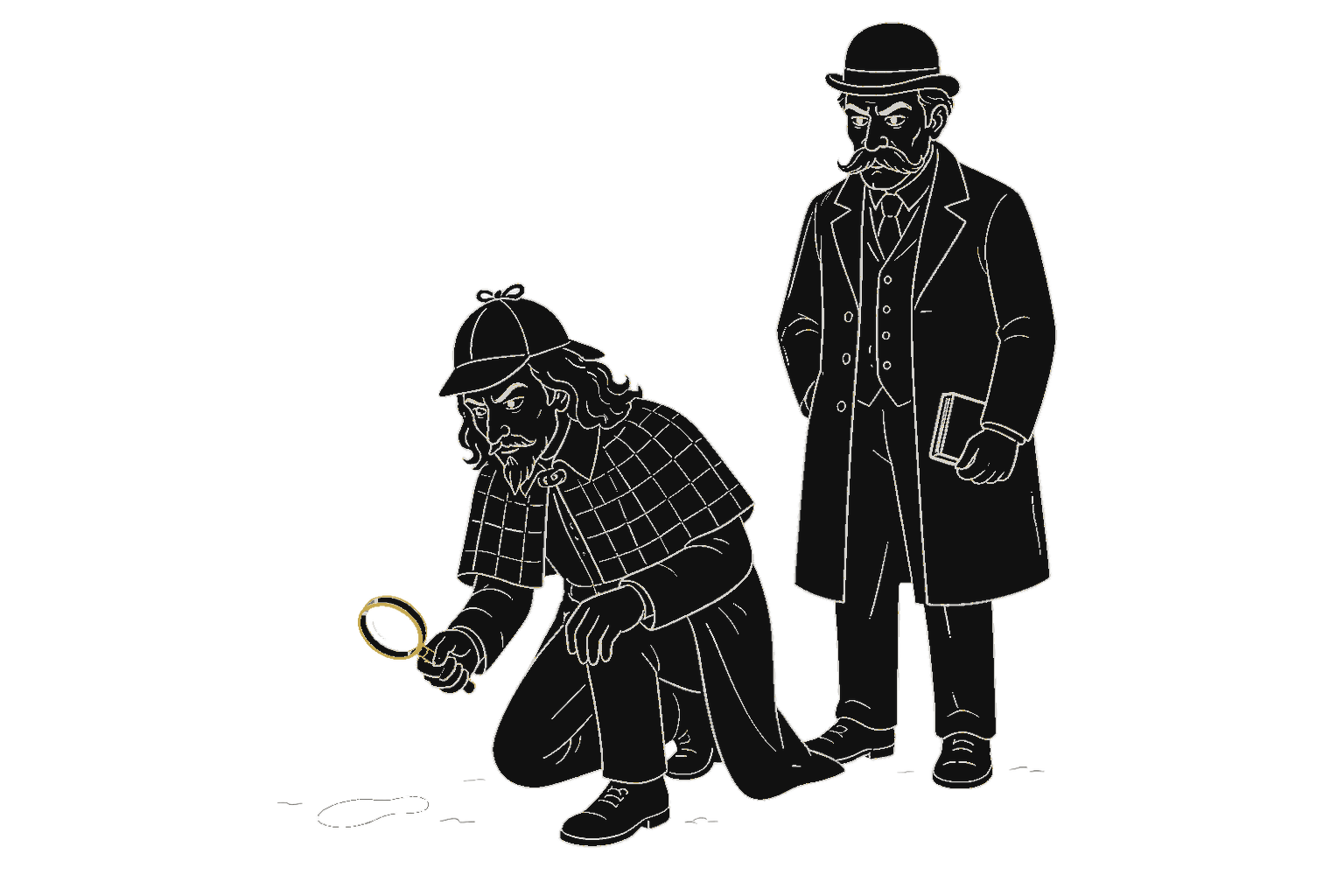
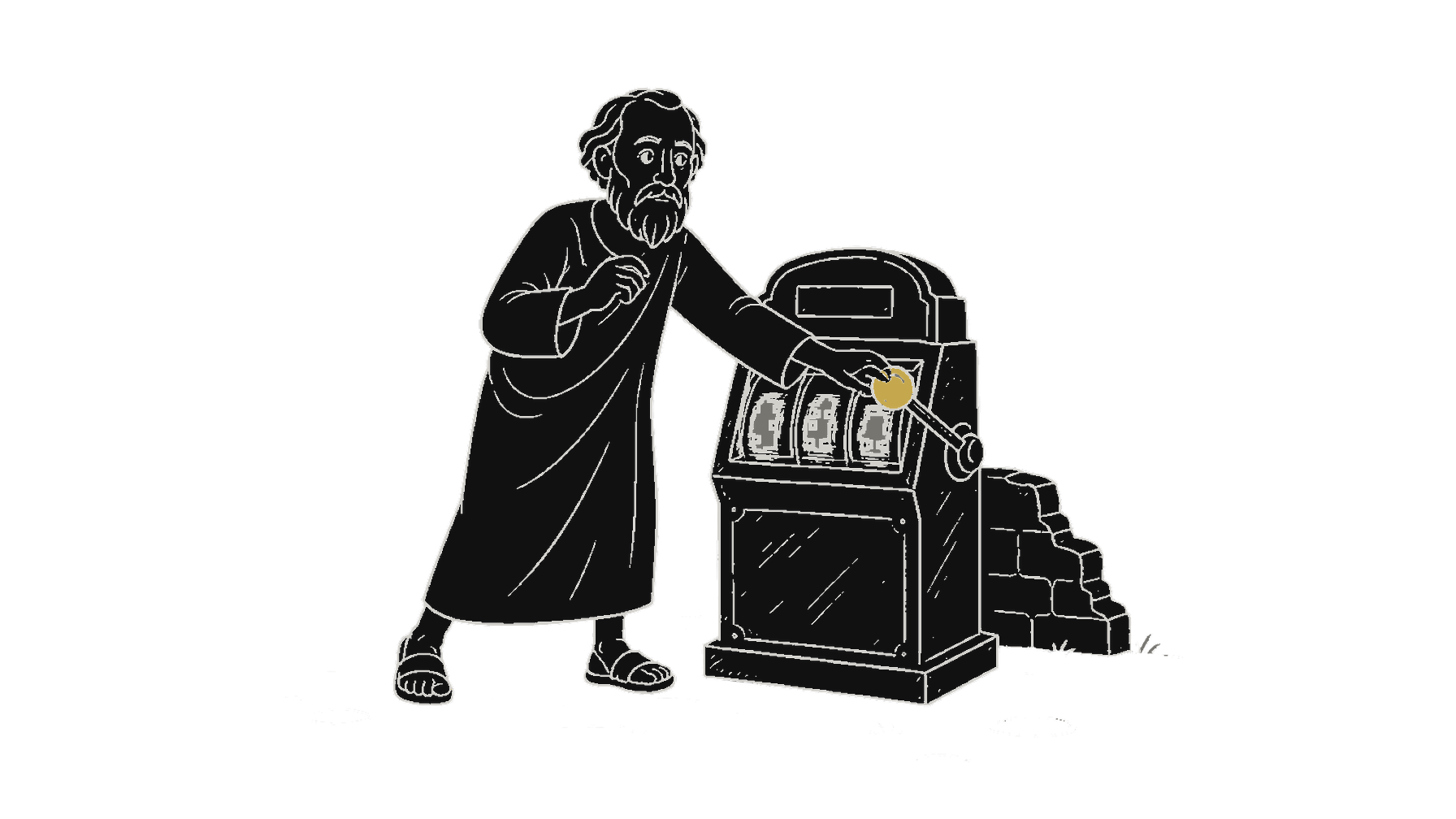
 EpistemologyReader · Level 5Can we be certain of anything?Dreams, errors and convincing simulations can all feel real. If every source of belief can mislead you, what distinguishes knowledge from confidence that merely got lucky?Certainty or confidence? Perhaps knowledge survives doubt only if we stop demanding that it be impossible to lose.Follow the question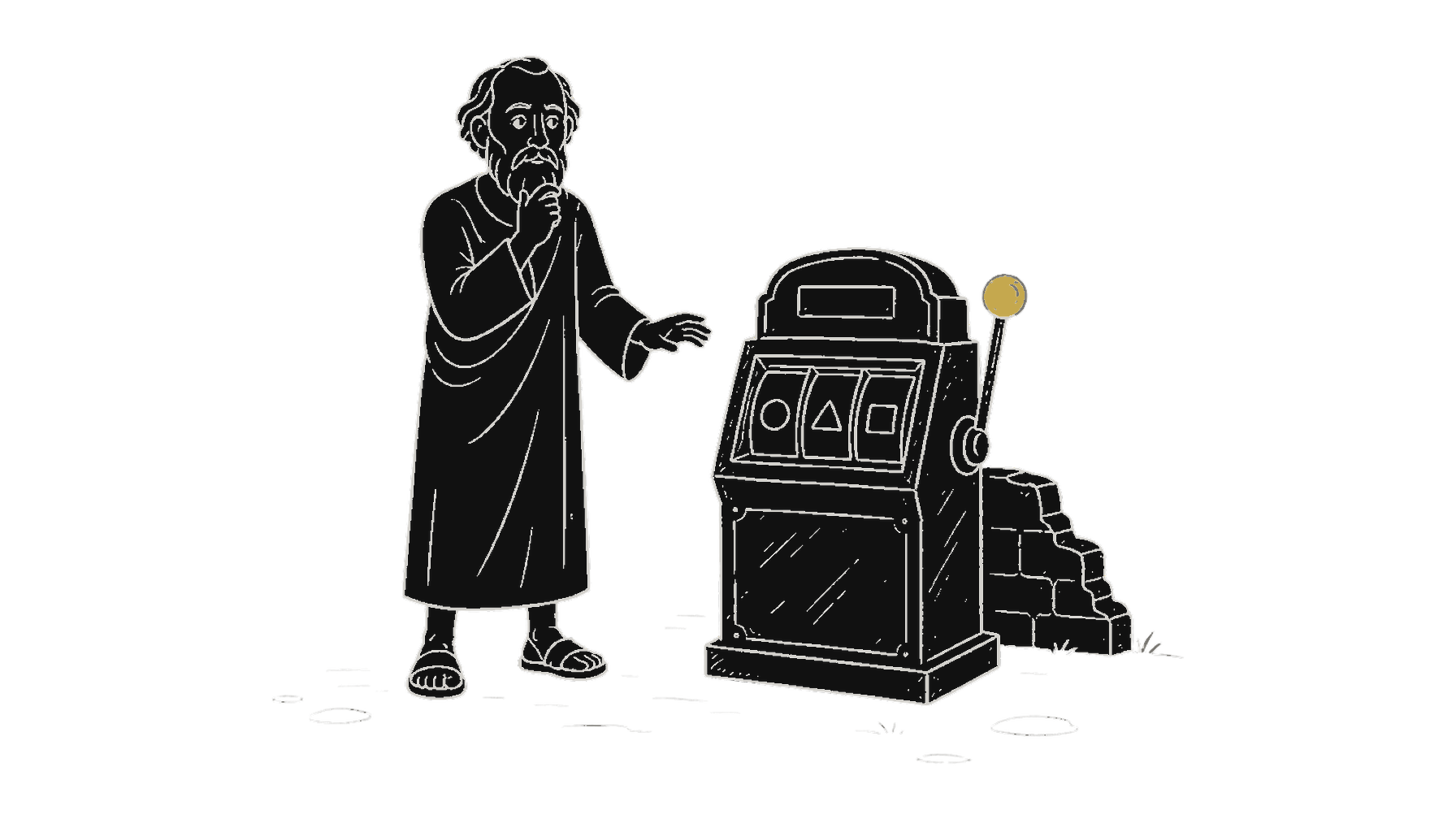
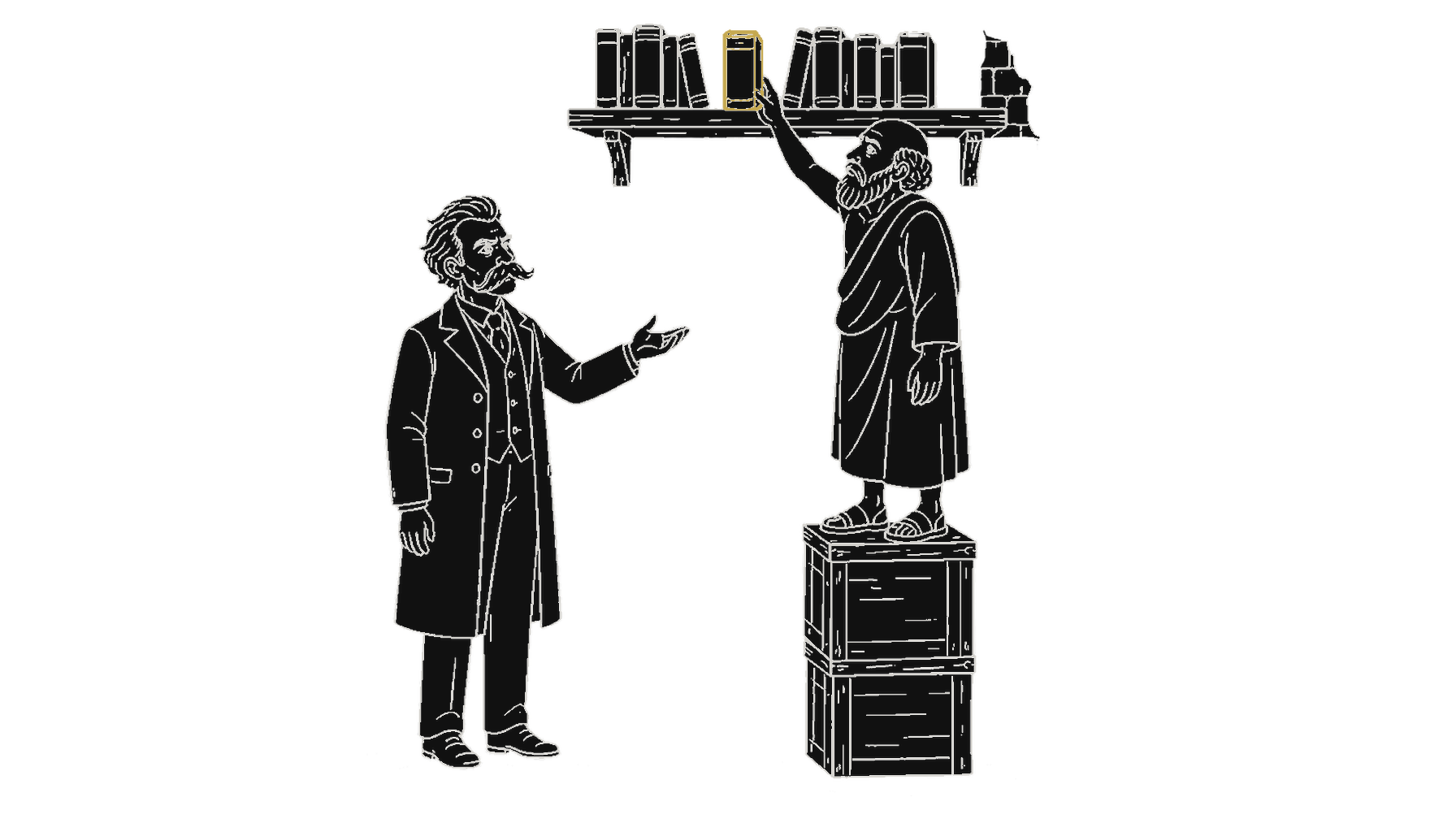
 Political philosophyPathfinder · Level 4Does fairness mean equality or equity?Treating people identically can preserve impartiality yet ignore unequal needs and starting points. Which differences should justice recognise, and when does unequal support become unfair?Same or sufficient? Equal inputs do not guarantee fair chances, but correcting every difference creates new questions about entitlement.Follow the question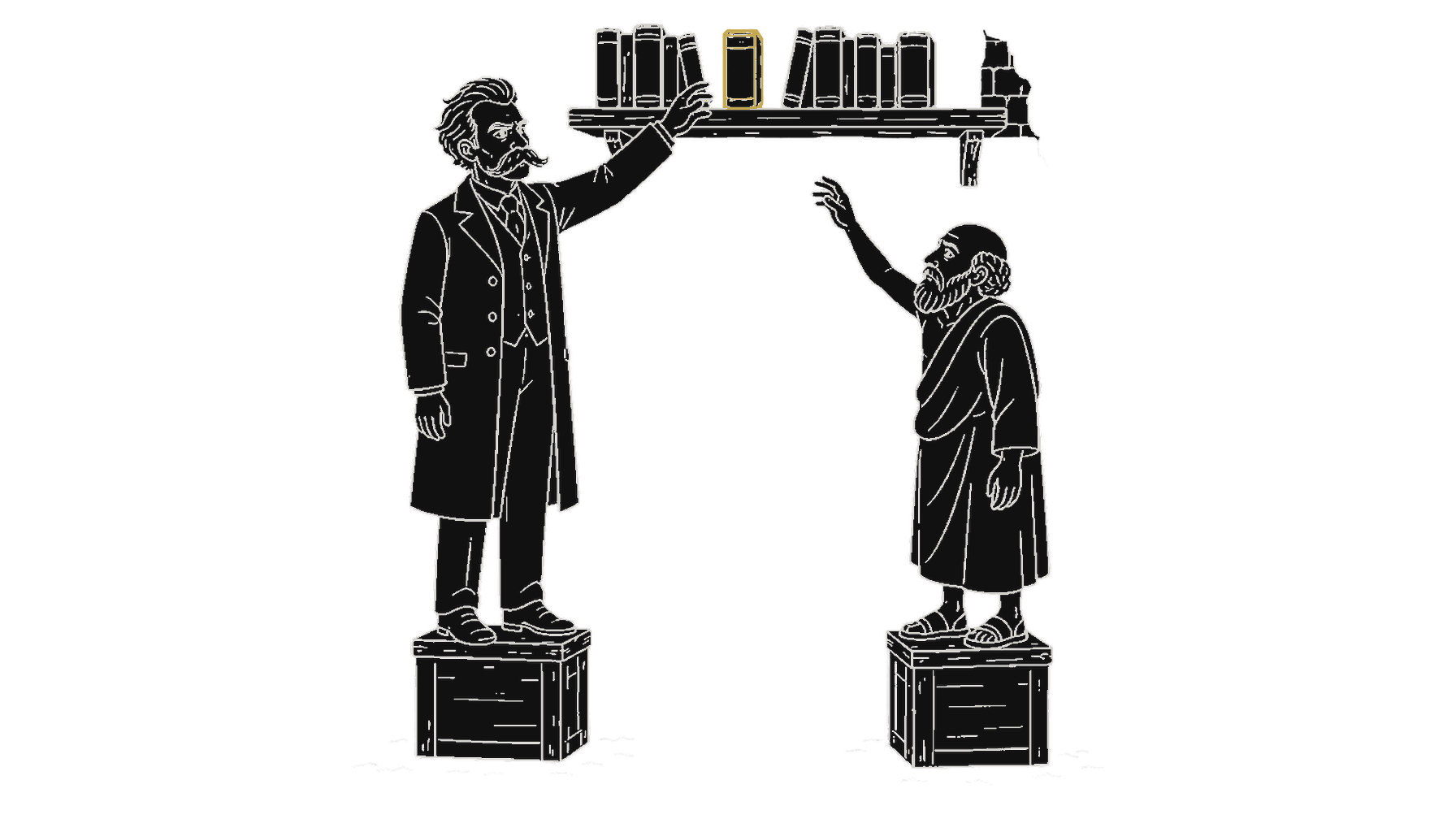
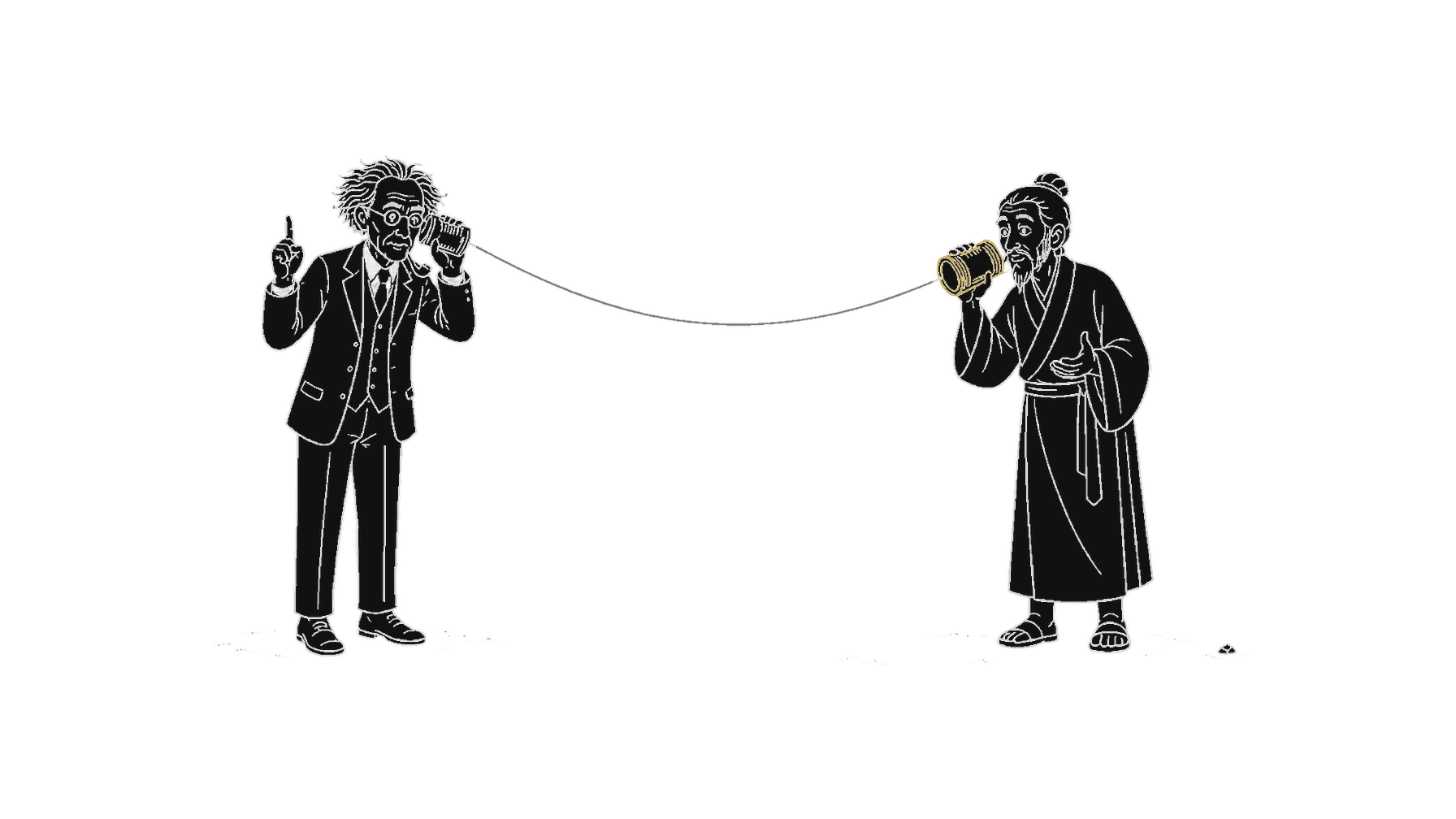
 Philosophy of mindMaster · Level 6How can I know that other minds exist?You see other bodies, words and gestures, but never another person's experience directly. What justifies the leap from outward behaviour to the claim that someone else is conscious?Someone inside? Perfect behaviour may be compelling evidence without becoming a window into another experience.Follow the question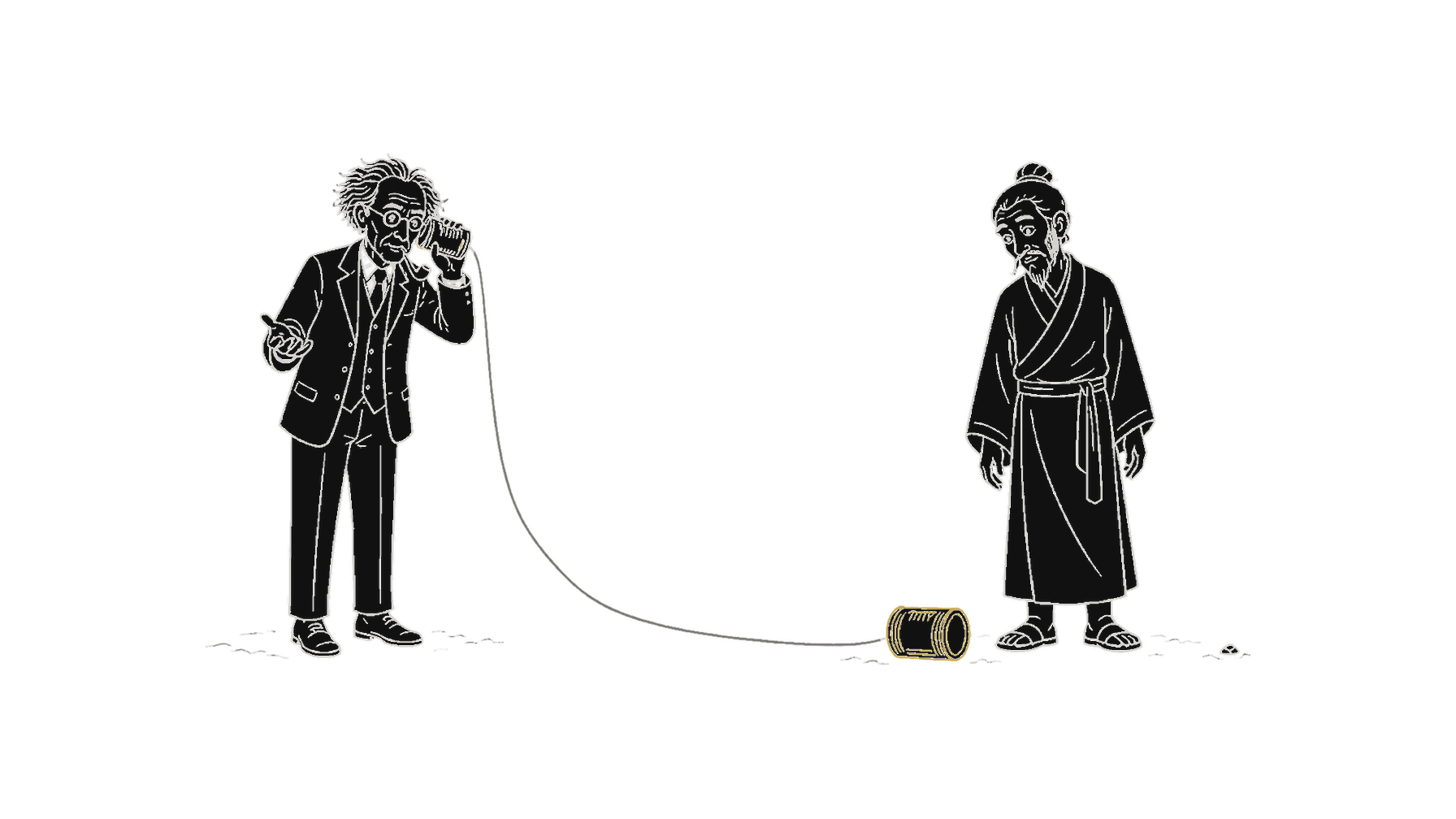
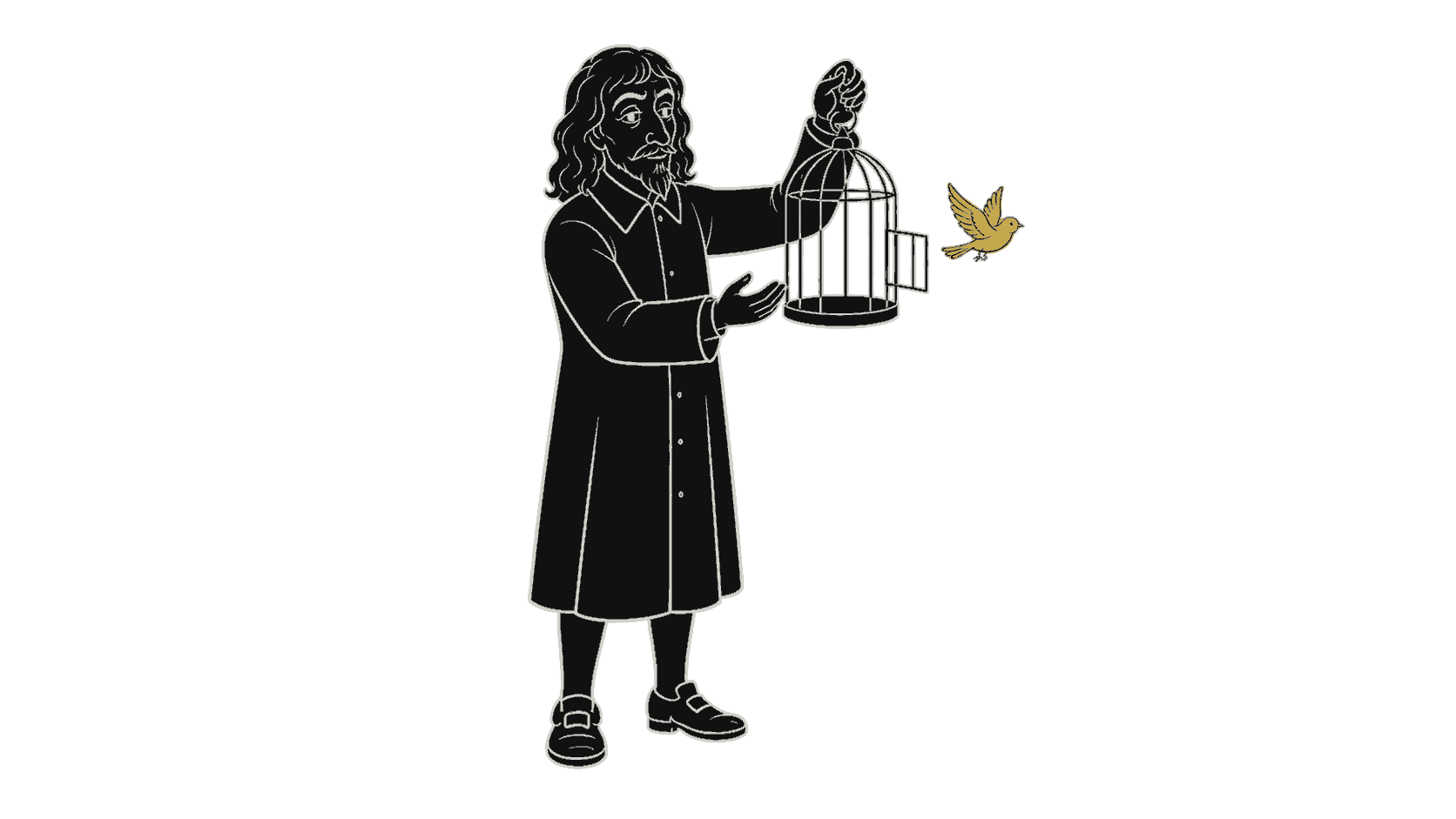
 Political philosophyPathfinder · Level 4How much freedom should we trade for security?Protection from harm can require rules, monitoring and force. At what point does a society that keeps its citizens safe begin to control the lives it was meant to protect?Shelter or enclosure? The same wall can keep danger out and keep a population in.Follow the question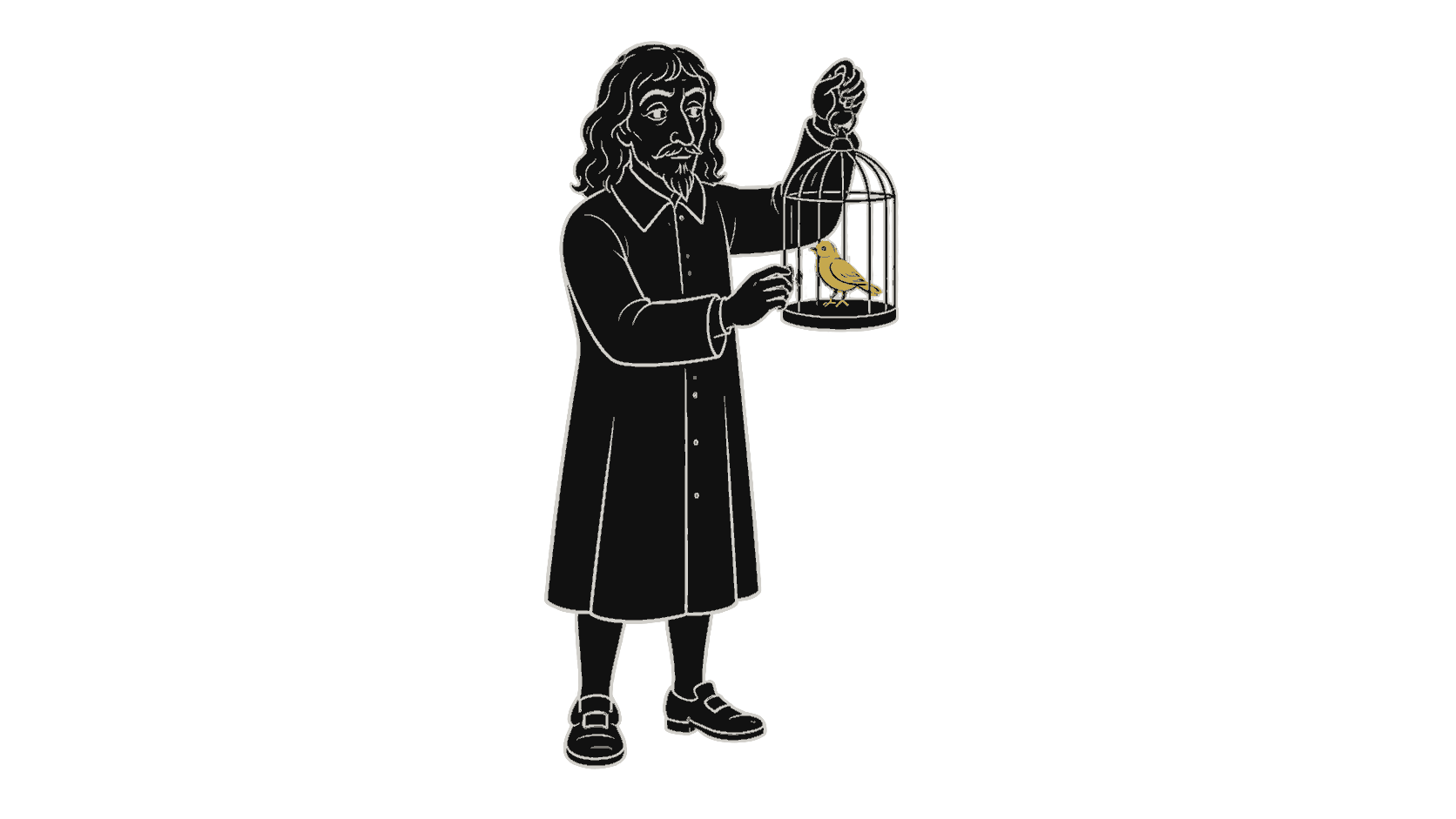
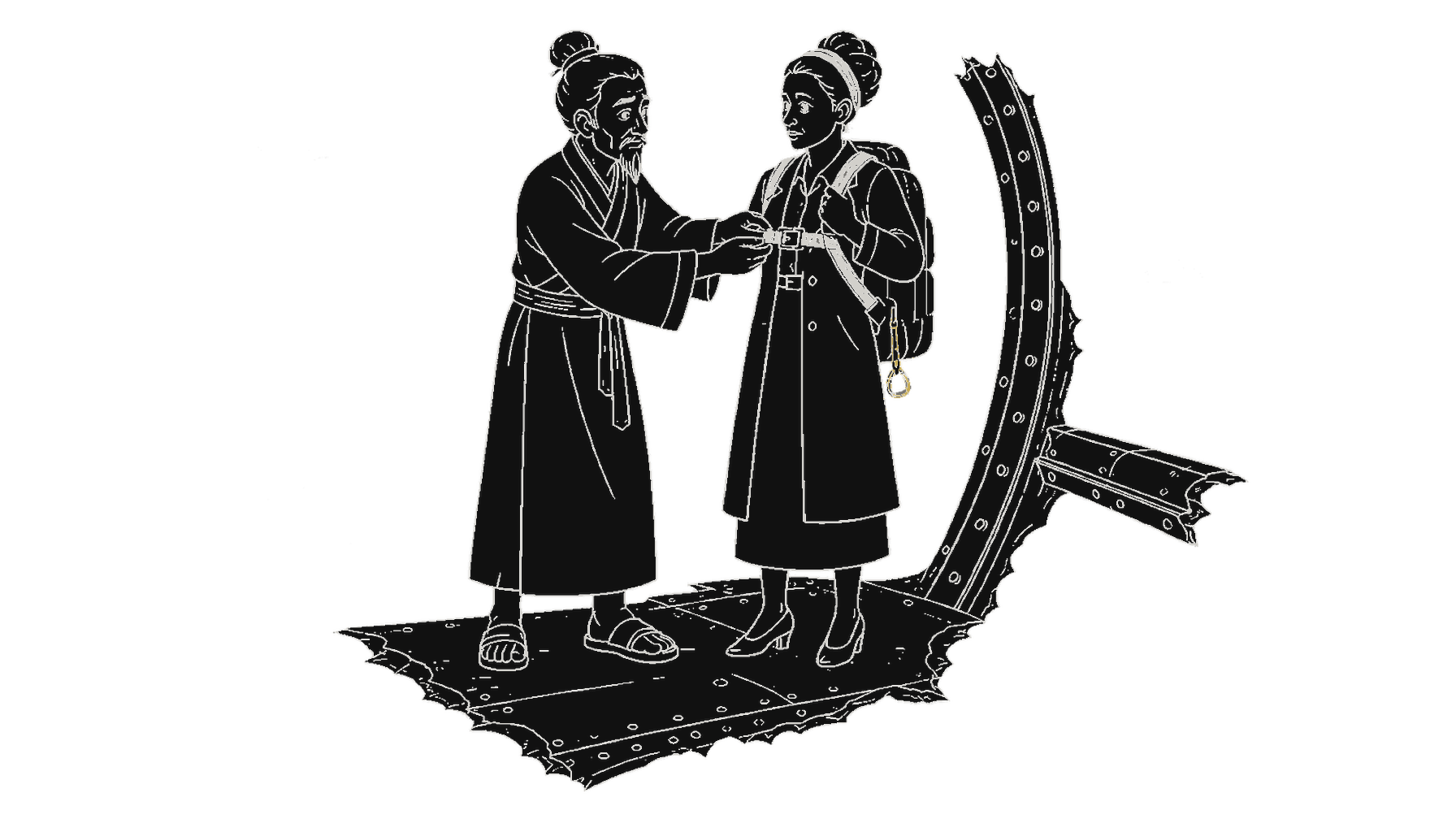
 EthicsPathfinder · Level 4Is it ever right to sacrifice one person to save many?Saving more lives seems better, yet deliberately using an innocent person can feel forbidden. Can a good total outcome make an intentional harm morally permissible?Numbers and limits Counting outcomes is morally serious; so is asking what may never be done to a person.Follow the question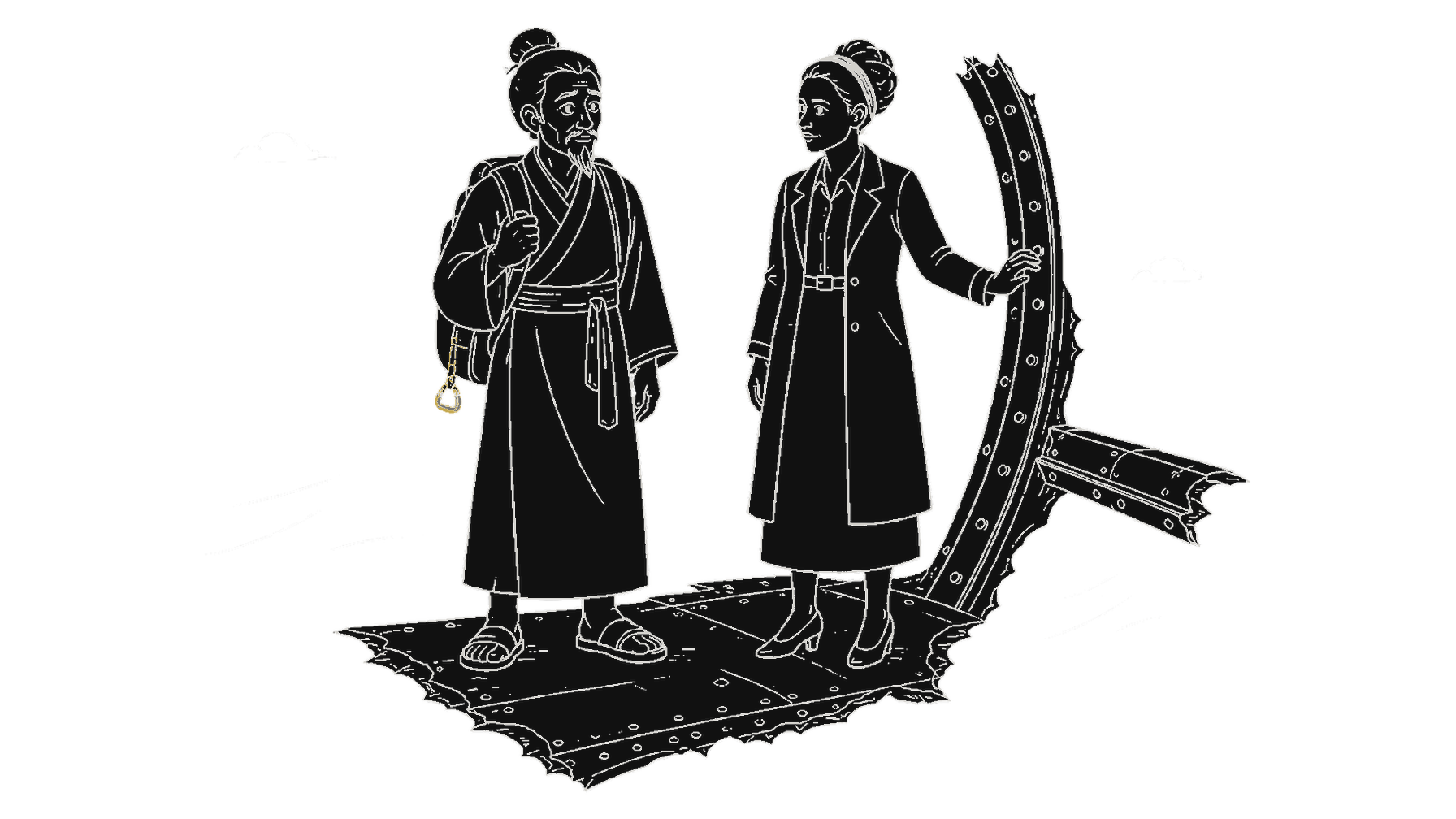
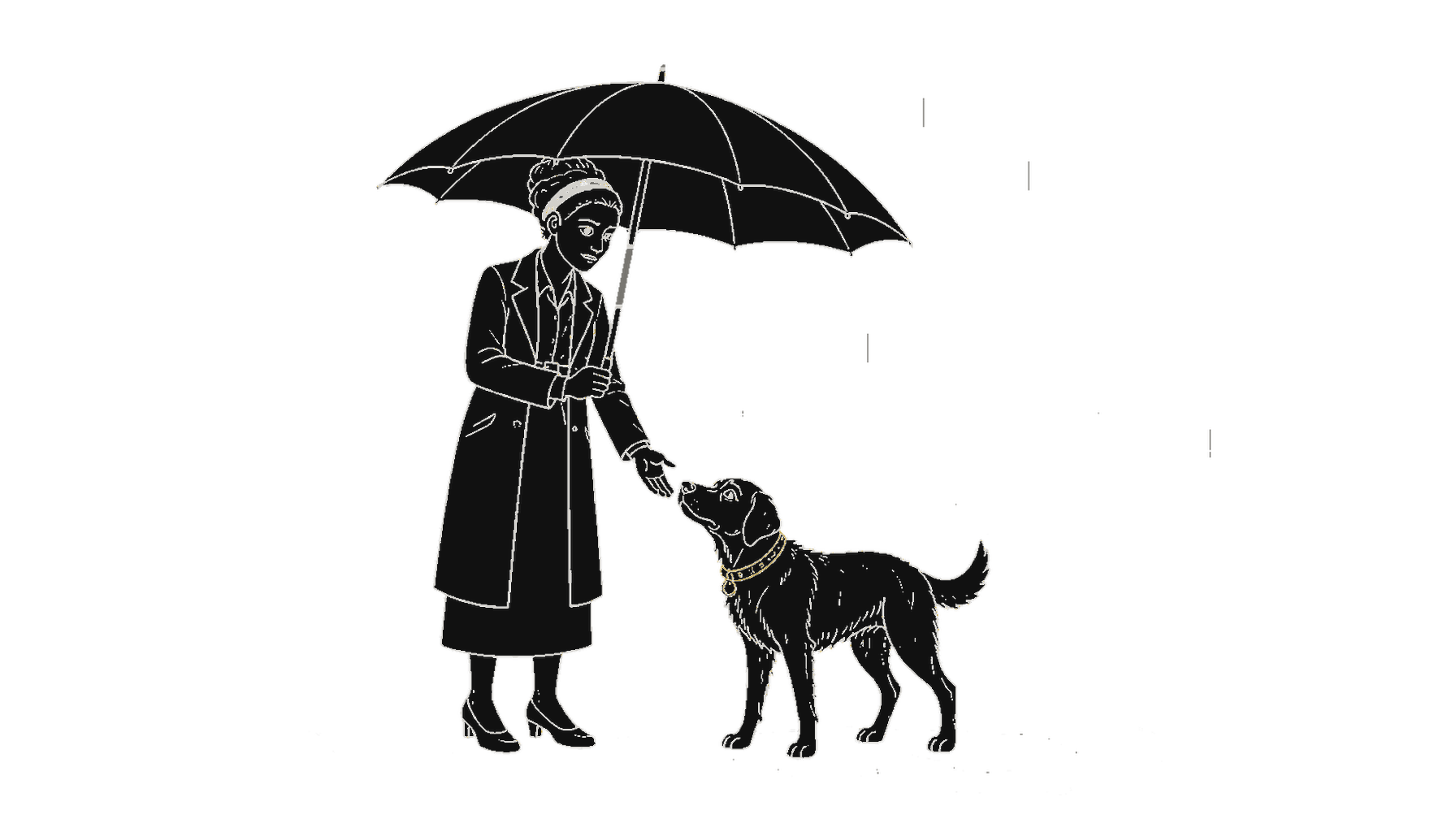
 EthicsPathfinder · Level 4What do we owe to non-human animals?Reason, consciousness, suffering, relationships and life itself can all ground moral concern. Which capacities matter in practice, and do equal interests require identical treatment across species?Where is the boundary? A moral boundary is only defensible if the difference it tracks genuinely matters.Follow the question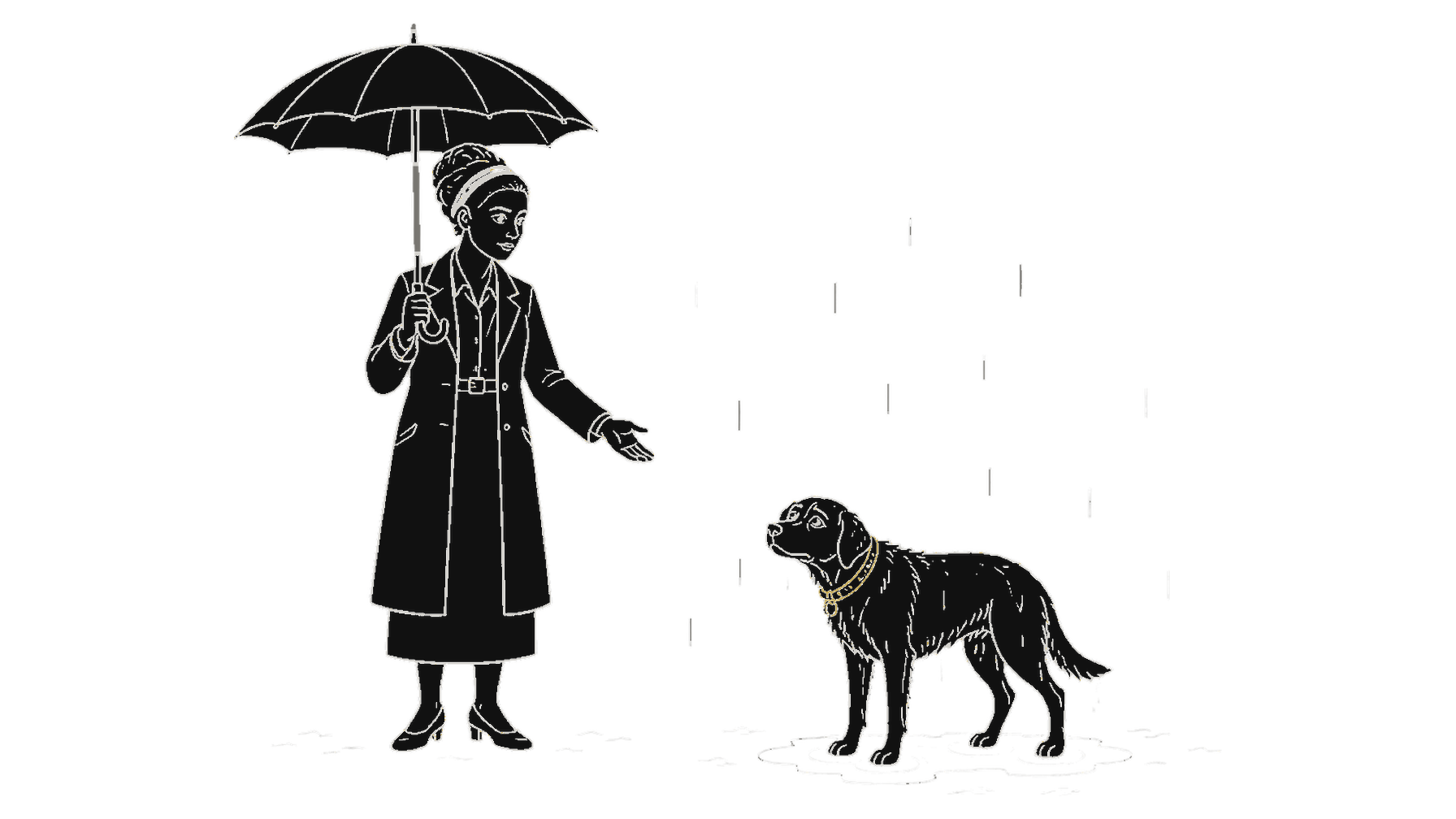
 Existential philosophyApprentice · Levels 2–3What makes a life meaningful?Meaning might be discovered in an objective purpose, created through choice, or built where personal commitment meets something genuinely worthwhile in practice. Is feeling fulfilled enough?Felt or founded? A life can be enjoyable without mattering, and valuable without always feeling complete.Follow the question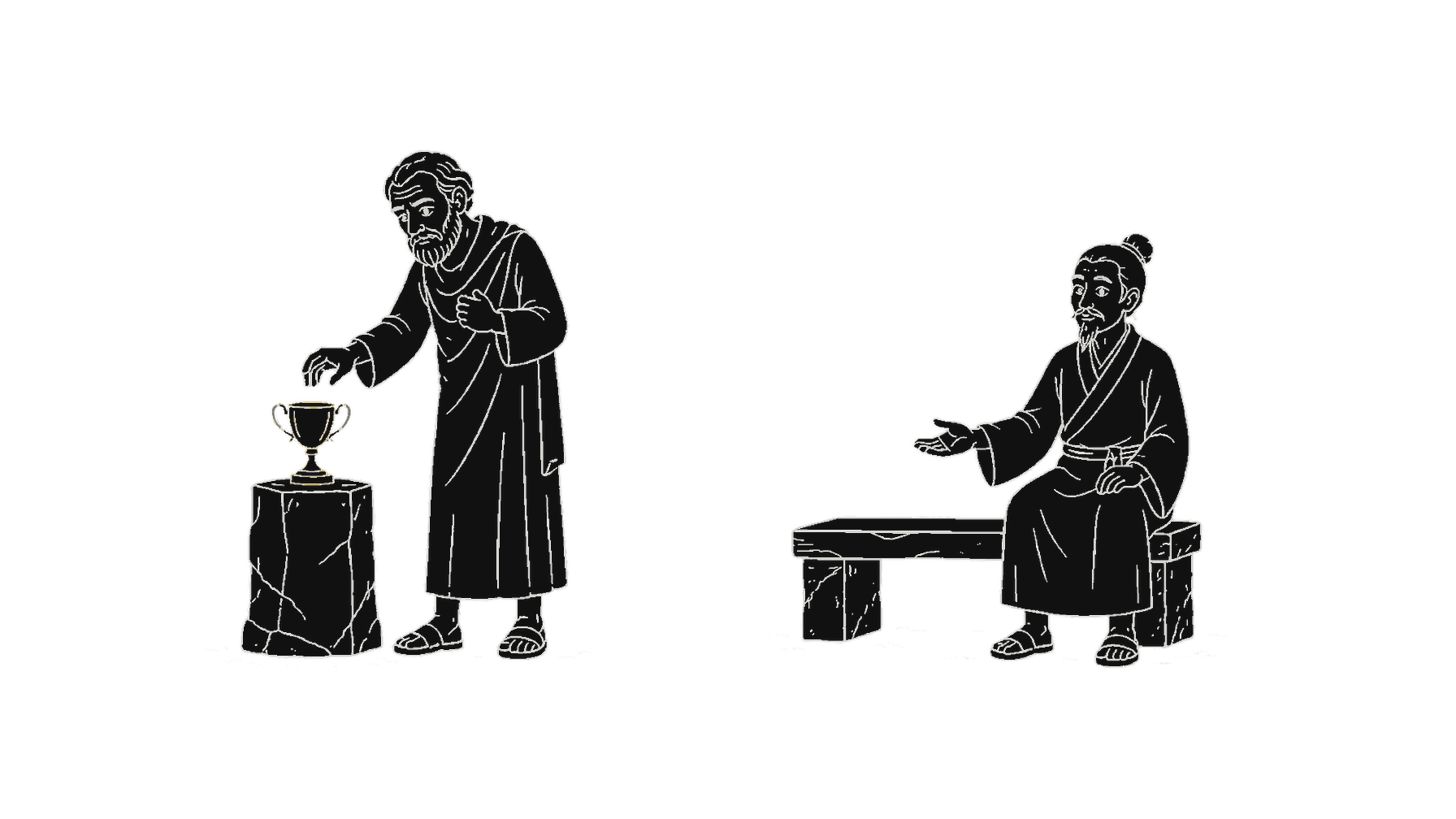
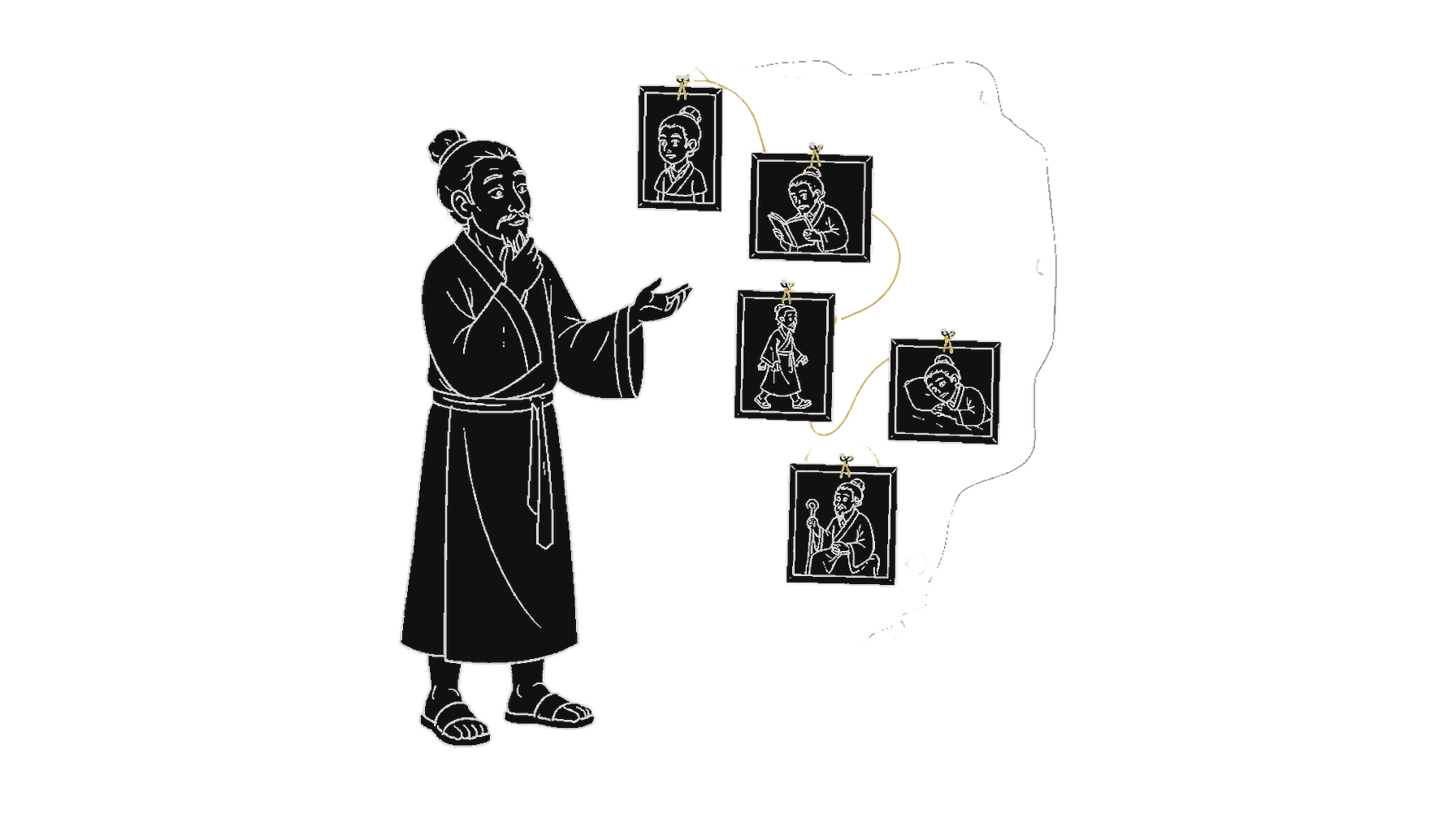
 Personal identityPathfinder · Level 4What makes you the same person over time?Your body, memories, beliefs and character all change. Which kind of continuity makes a future person genuinely you, and could survival matter even when strict identity does not?One life, changing parts The feature that proves continuity may not be the feature we value when imagining survival.Follow the question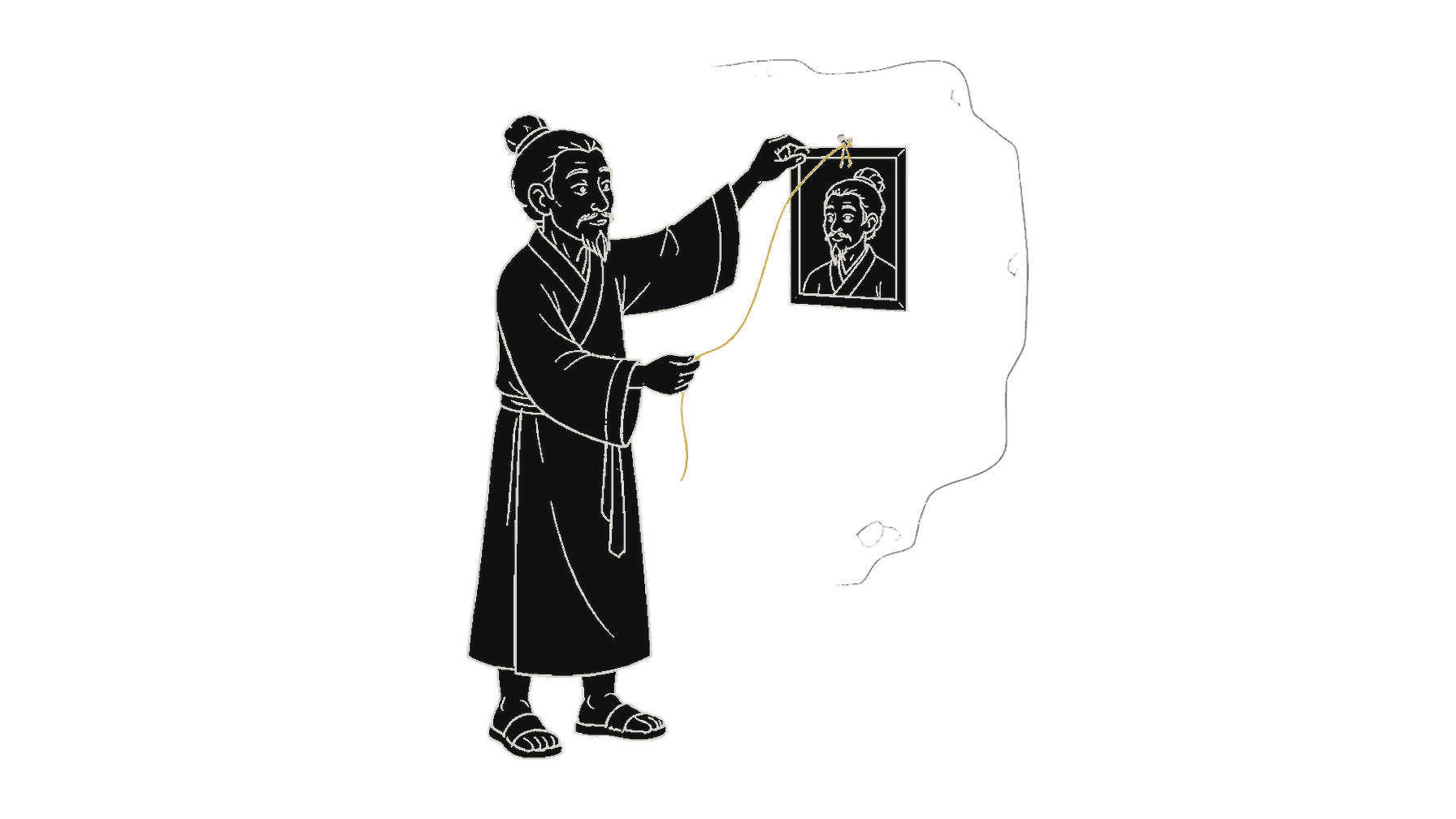
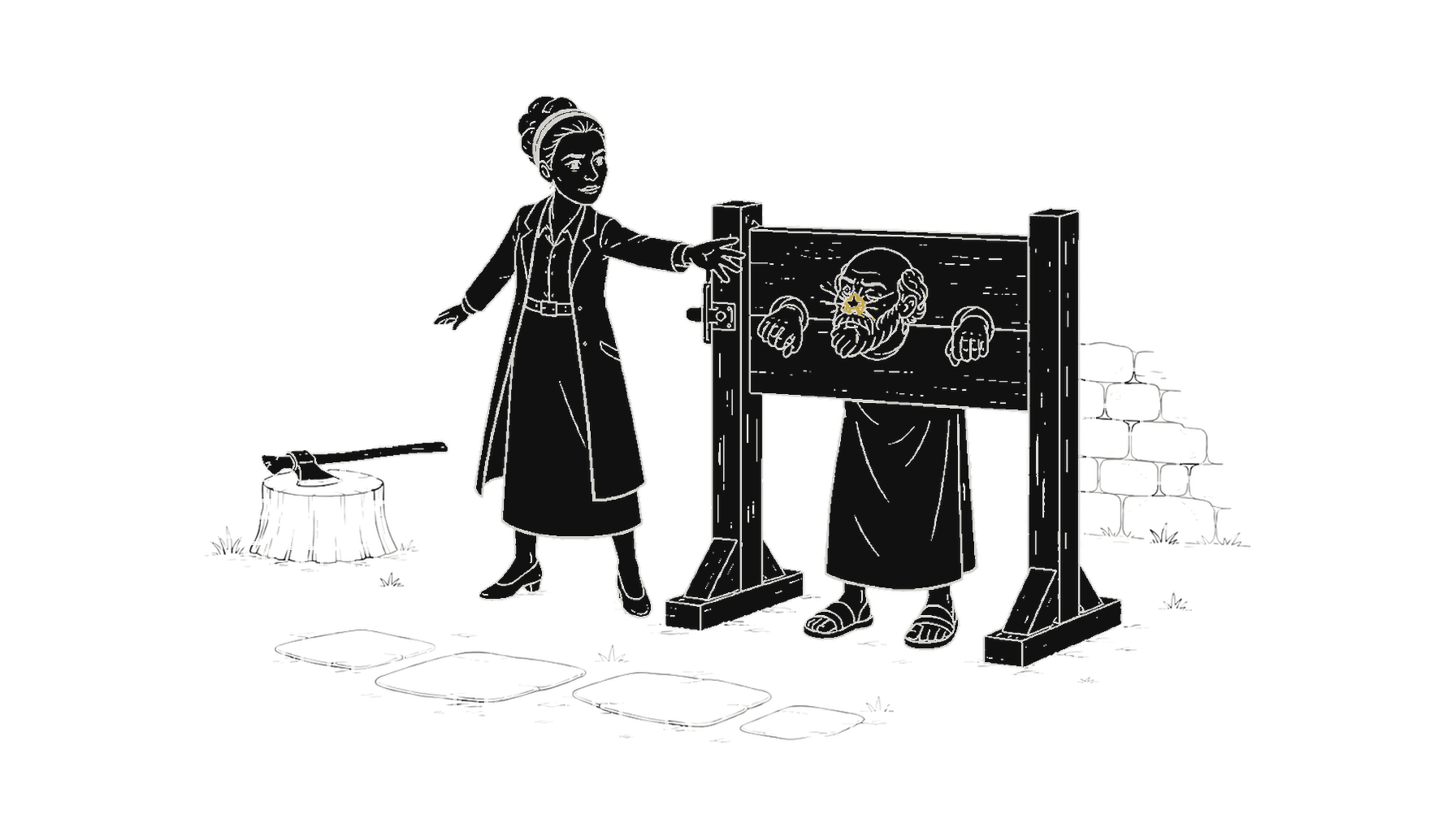
 Moral and political philosophyReader · Level 5When is punishment justified?Punishment deliberately burdens a wrongdoer. Is that justified by desert, deterrence, public protection, reform, communication or repair — and what happens when these aims conflict?Pain, protection or repair? A response can condemn a wrong without showing that imposed suffering is the right way to answer it.Follow the question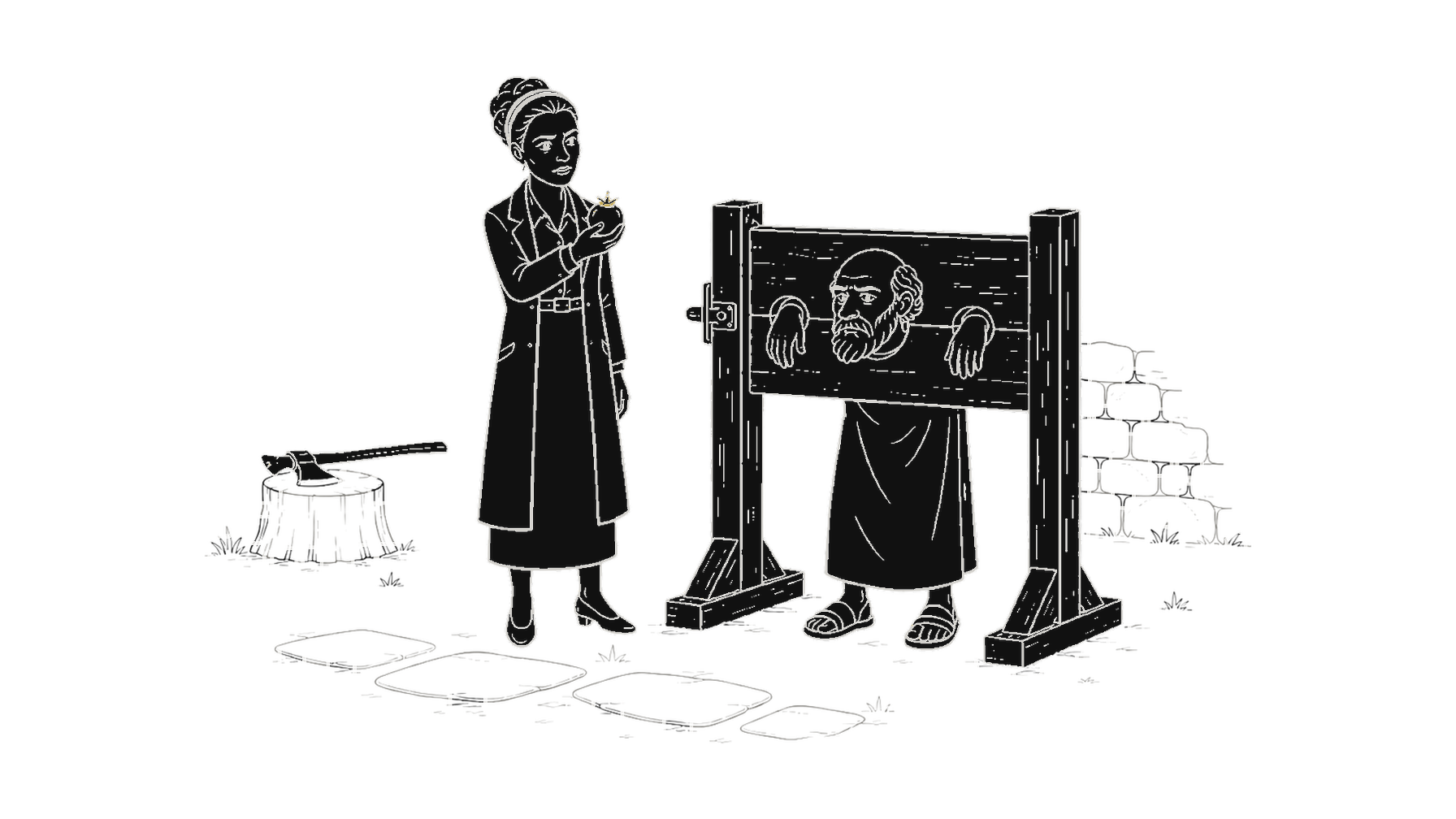
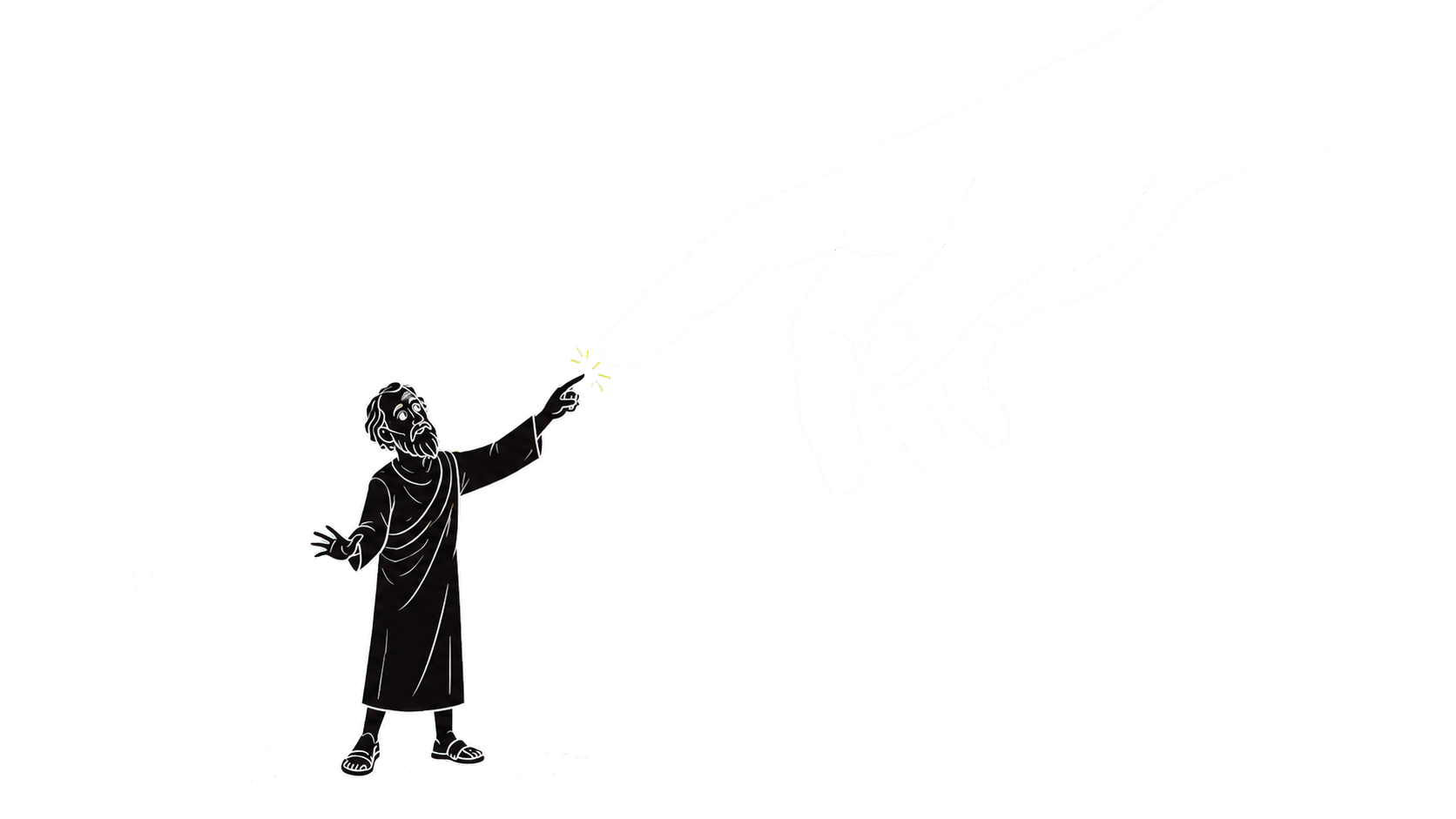
 Philosophy of religionApprentice · Levels 2–3Why would a good God allow evil?If God has unlimited power, complete knowledge and perfect goodness, why does apparently pointless suffering occur? A defence must explain both human wrongdoing and suffering no person chooses.Goodness and suffering Showing that God and evil could coexist is not yet an explanation of why this world contains so much suffering.Follow the question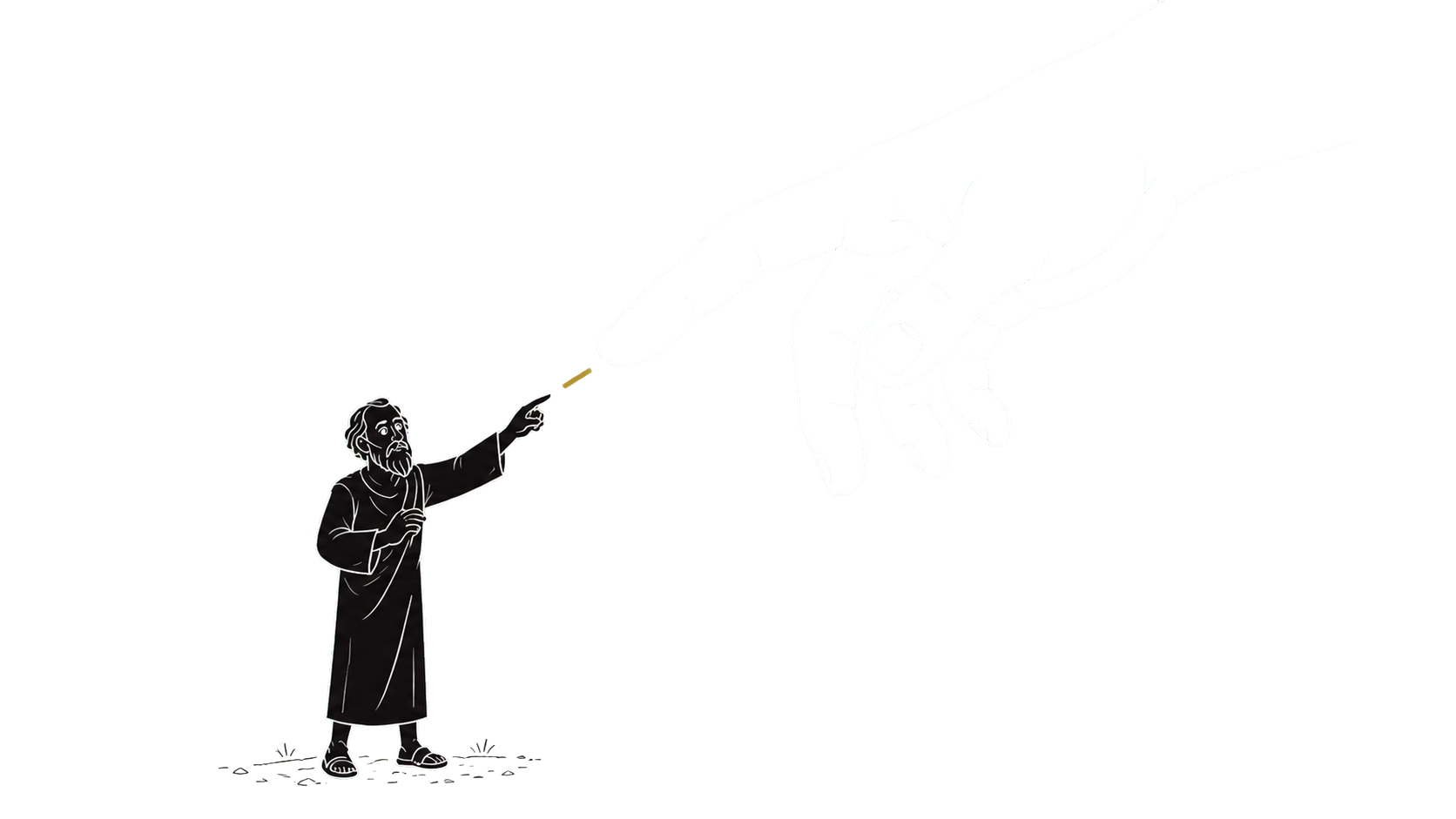
Philosophy of mindMaster · Level 6Can a mind exist without a body?Changes to the brain alter memory, mood and perception, yet conscious experience does not feel like a piece of matter. Is the mind non-physical, or something a body does?Two things or one? A close dependence between brain and experience does not by itself tell us whether they are identical.Follow the questionEpistemologyApprentice · Levels 2–3Can trust replace evidence?What happens to knowledge when an artificial experience feels more convincing than the world?From shadow to form A convincing appearance may earn attention. It has not yet earned belief.Follow the questionEpistemologyReader · Level 5Can we be certain of anything?Dreams, errors and convincing simulations can all feel real. If every source of belief can mislead you, what distinguishes knowledge from confidence that merely got lucky?Certainty or confidence? Perhaps knowledge survives doubt only if we stop demanding that it be impossible to lose.Follow the questionPolitical philosophyPathfinder · Level 4Does fairness mean equality or equity?Treating people identically can preserve impartiality yet ignore unequal needs and starting points. Which differences should justice recognise, and when does unequal support become unfair?Same or sufficient? Equal inputs do not guarantee fair chances, but correcting every difference creates new questions about entitlement.Follow the questionPhilosophy of mindMaster · Level 6How can I know that other minds exist?You see other bodies, words and gestures, but never another person's experience directly. What justifies the leap from outward behaviour to the claim that someone else is conscious?Someone inside? Perfect behaviour may be compelling evidence without becoming a window into another experience.Follow the questionPolitical philosophyPathfinder · Level 4How much freedom should we trade for security?Protection from harm can require rules, monitoring and force. At what point does a society that keeps its citizens safe begin to control the lives it was meant to protect?Shelter or enclosure? The same wall can keep danger out and keep a population in.Follow the questionEthicsPathfinder · Level 4Is it ever right to sacrifice one person to save many?Saving more lives seems better, yet deliberately using an innocent person can feel forbidden. Can a good total outcome make an intentional harm morally permissible?Numbers and limits Counting outcomes is morally serious; so is asking what may never be done to a person.Follow the questionEthicsPathfinder · Level 4What do we owe to non-human animals?Reason, consciousness, suffering, relationships and life itself can all ground moral concern. Which capacities matter in practice, and do equal interests require identical treatment across species?Where is the boundary? A moral boundary is only defensible if the difference it tracks genuinely matters.Follow the questionExistential philosophyApprentice · Levels 2–3What makes a life meaningful?Meaning might be discovered in an objective purpose, created through choice, or built where personal commitment meets something genuinely worthwhile in practice. Is feeling fulfilled enough?Felt or founded? A life can be enjoyable without mattering, and valuable without always feeling complete.Follow the questionPersonal identityPathfinder · Level 4What makes you the same person over time?Your body, memories, beliefs and character all change. Which kind of continuity makes a future person genuinely you, and could survival matter even when strict identity does not?One life, changing parts The feature that proves continuity may not be the feature we value when imagining survival.Follow the questionMoral and political philosophyReader · Level 5When is punishment justified?Punishment deliberately burdens a wrongdoer. Is that justified by desert, deterrence, public protection, reform, communication or repair — and what happens when these aims conflict?Pain, protection or repair? A response can condemn a wrong without showing that imposed suffering is the right way to answer it.Follow the questionPhilosophy of religionApprentice · Levels 2–3Why would a good God allow evil?If God has unlimited power, complete knowledge and perfect goodness, why does apparently pointless suffering occur? A defence must explain both human wrongdoing and suffering no person chooses.Goodness and suffering Showing that God and evil could coexist is not yet an explanation of why this world contains so much suffering.Follow the questionNo matching Inquiries
Try a broader question.
Clear a filter or search for a thinker, topic or key idea.