The capacity to suffer grounds moral consideration.
Comparable suffering deserves comparable weight regardless of species, though other interests may still differ.
Ethics
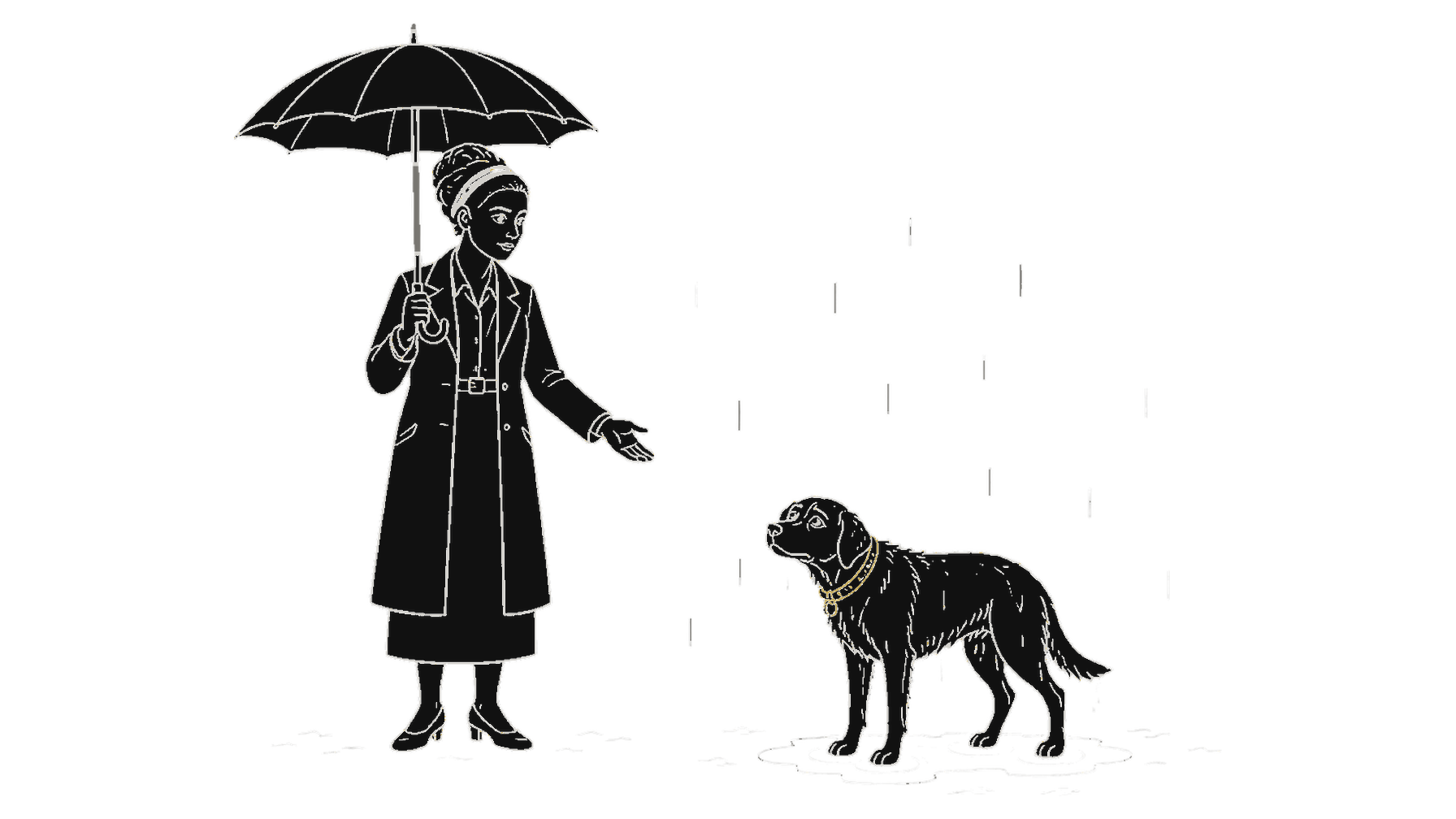
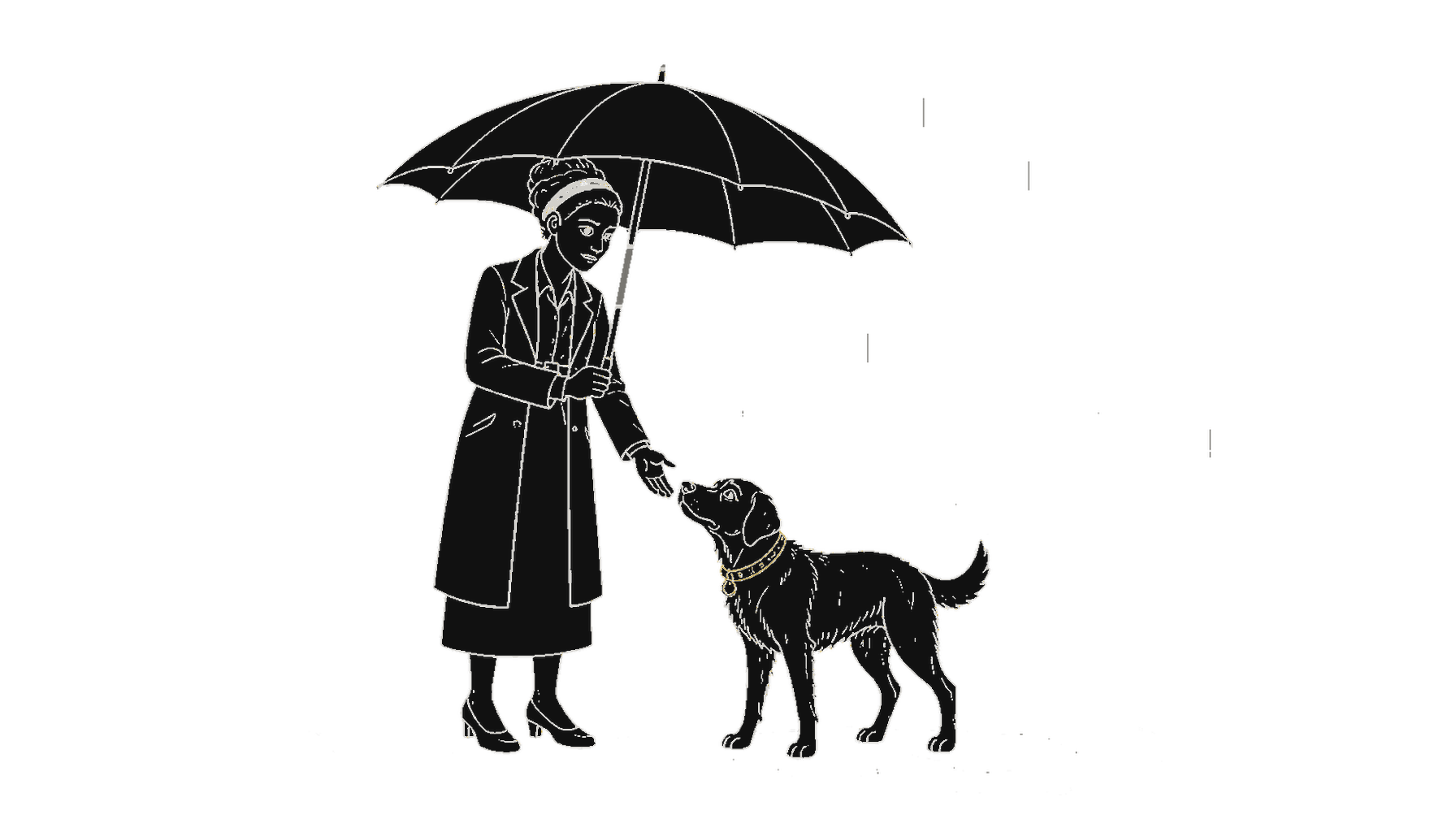
The problem in miniature
A treatment is painful but produces valuable knowledge. Researchers can test it on an intelligent animal, a human infant or an advanced artificial system that describes fear but has uncertain consciousness. None can give informed consent. The infant belongs to our species but has fewer developed cognitive abilities than the animal; the artificial system may communicate most clearly while possibly feeling nothing. Protecting only the human case requires a morally relevant difference, not simply familiarity. Protecting every case requires a principle broad enough to explain what each being can be wronged by.
Why this is difficult
Comparable suffering deserves comparable weight regardless of species, though other interests may still differ.
Some uses are wrong even when they increase total welfare.
Justice may require more than reducing pain, while avoiding the projection of human ideals onto animals.
Philosophers in the conversation
The utilitarian tradition places sentience and interests at the centre rather than rationality or species. Equal consideration does not mean identical treatment; it means that like interests, including avoiding suffering, cannot be discounted merely because the being belongs to another species.
Regan argues that beings who are subjects of a life possess inherent value rather than value only as containers of welfare. Rights constrain the ways they may be used, even for beneficial consequences. The approach challenges practices that treat individual animals simply as resources.
Nussbaum's capabilities approach asks what different creatures require to flourish in characteristic forms of life. Justice concerns opportunities for bodily health, movement, affiliation, play and other capabilities, not only pleasure or pain. The account must avoid imposing a human picture of flourishing on other species.
Plumwood criticises hierarchies that define humanity through opposition to an inferior nature. Her relational ecological perspective examines dependency, power and the backgrounding of non-human life. Moral thought should not reduce animals either to copies of humans or to passive resources.
Key ideas
Follow the question through the curriculum
Provides rival methods for deciding which interests, duties and rights matter.
Continue into the curriculumApplies · unitExtends questions of moral status and personhood into difficult practical decisions.
Continue into the curriculumChallenges · lessonTests what grounds a right to continued life and how competing claims should be weighed.
Continue into the curriculumReconsider your answer
A principle broad enough to protect human beings with limited rational ability may also protect many animals. Narrowing it can preserve familiar practices only by endangering vulnerable human cases too.