Significant freedom includes the possibility of wrongdoing.
Preventing every harmful choice might remove a valuable form of agency, but does not directly explain natural suffering.
Philosophy of religion
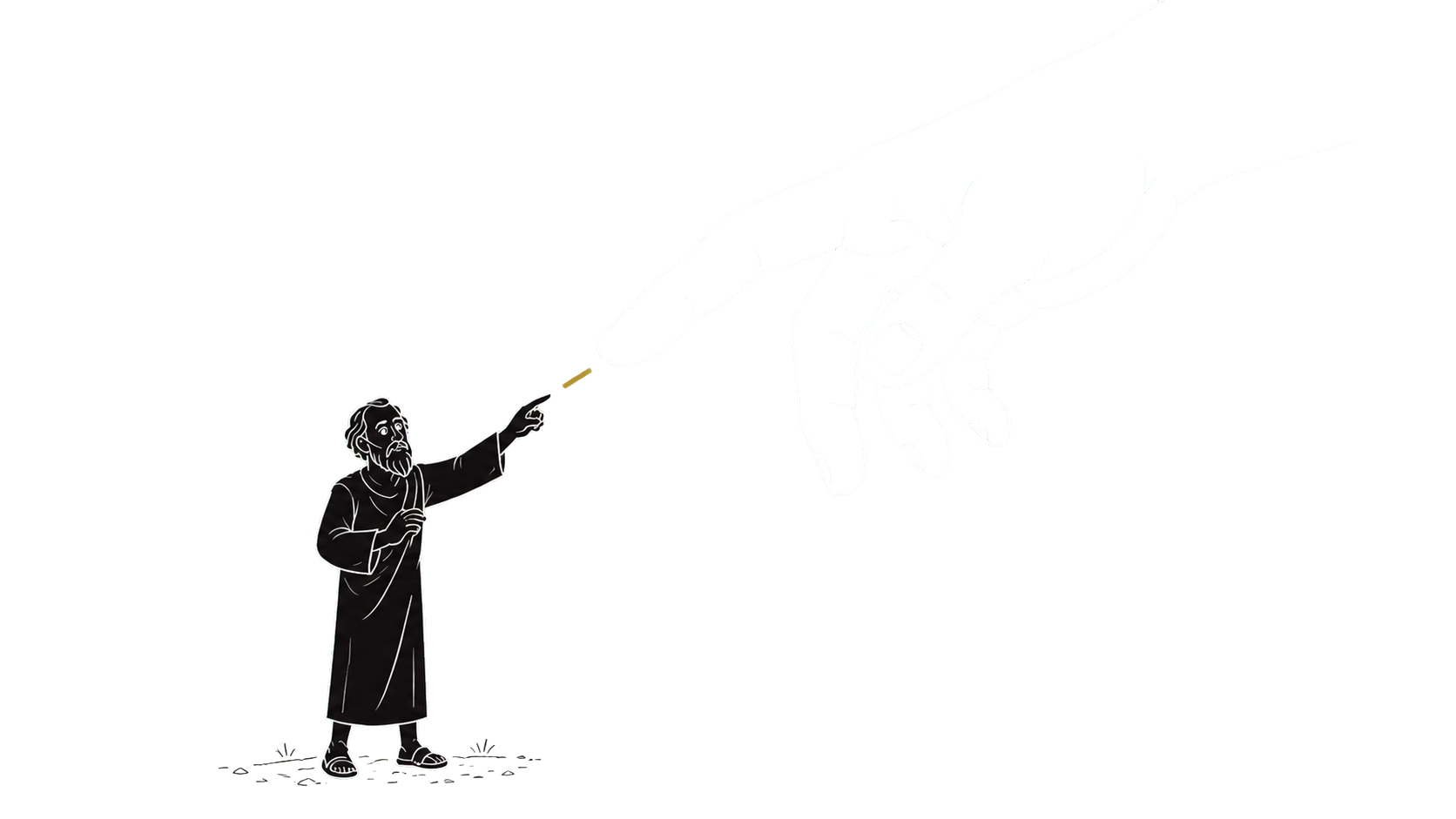
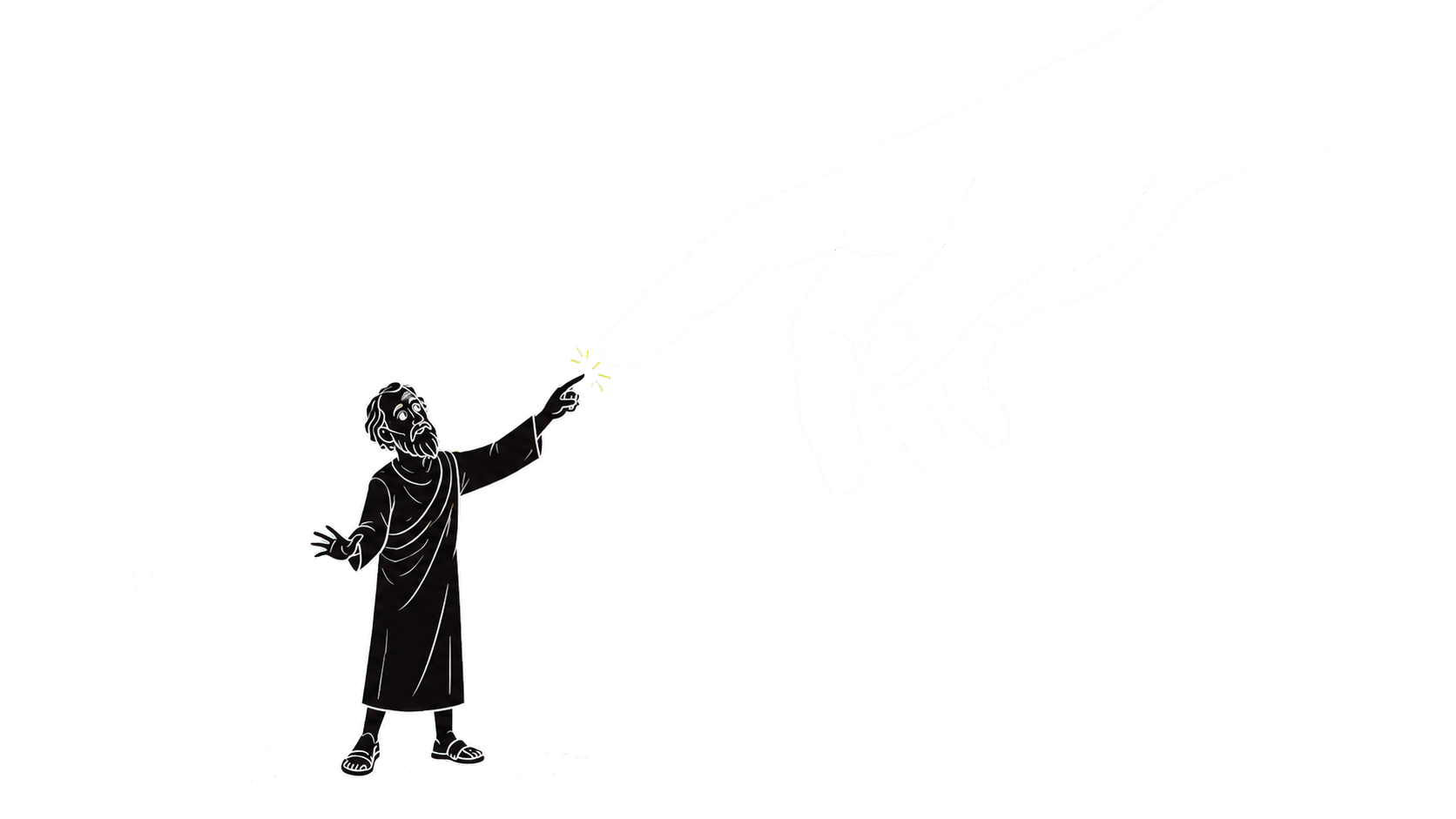
The problem in miniature
A community suffers after a deliberate act of cruelty. Responsibility appears to begin with the person who chose it, and freedom might explain why a good God did not prevent the choice. Elsewhere, an earthquake causes suffering that no human decision produced. The same appeal to free will no longer seems sufficient. A defender of belief in God may argue that a law-governed world, human development or goods unavailable in a risk-free world justify divine permission. A critic can still ask whether those goods require this amount and distribution of suffering.
Why this is difficult
Preventing every harmful choice might remove a valuable form of agency, but does not directly explain natural suffering.
Some suffering may contribute to development, though extreme or hidden suffering remains hard to justify.
Even without a strict contradiction, the world's pattern of suffering may lower the probability of such a God.
Philosophers in the conversation
Augustine treats evil not as a substance created by God but as a privation or corruption of good. Moral evil enters through created wills turning away from proper order. The account protects divine creation while raising further questions about foreknowledge, inherited disorder and natural suffering.
The soul-making tradition sees an unfinished, challenging world as an environment in which mature virtues and freely formed relationships can develop. If humans were created in immediate perfection, some valuable growth would be impossible. Critics ask whether the process requires extreme or unequal suffering.
Mackie argues that the traditional divine attributes appear inconsistent with evil unless additional beliefs explain why a good, powerful God permits it. He challenges easy free-will replies, especially where divine power seems capable of creating free agents who consistently choose good.
Plantinga's free-will defence aims to defeat the claim of logical inconsistency. It need not explain the actual reason for every evil; it proposes a possible reason why even an omnipotent God could not guarantee significant freedom and guarantee that creatures never misuse it.
Key ideas
Follow the question through the curriculum
Builds the origin, nature and philosophical problem of evil across a full unit.
Continue into the curriculumTests · lessonPuts divine power, knowledge and goodness under pressure from suffering.
Continue into the curriculumExtends · lessonExamines whether freedom can explain harmful action without resolving every form of evil.
Continue into the curriculumReconsider your answer
A defence can show that God and evil are logically compatible without showing that the actual amount, intensity and apparent randomness of suffering should be expected.