Similar behaviour supports an analogy with my own mind.
Belief in other minds is reasonable, but depends on extending one private case to everyone else.
Philosophy of mind
The problem in miniature
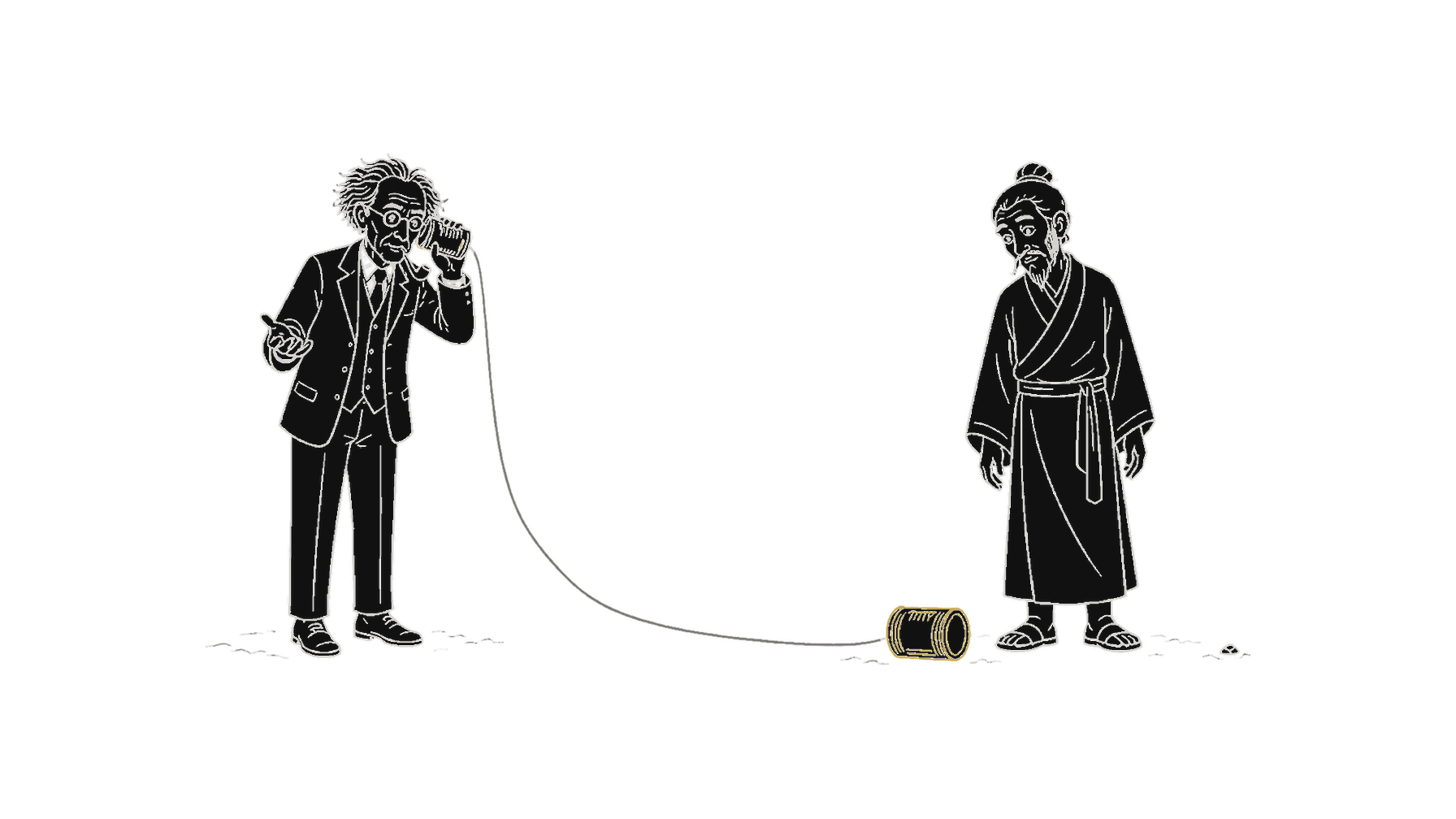
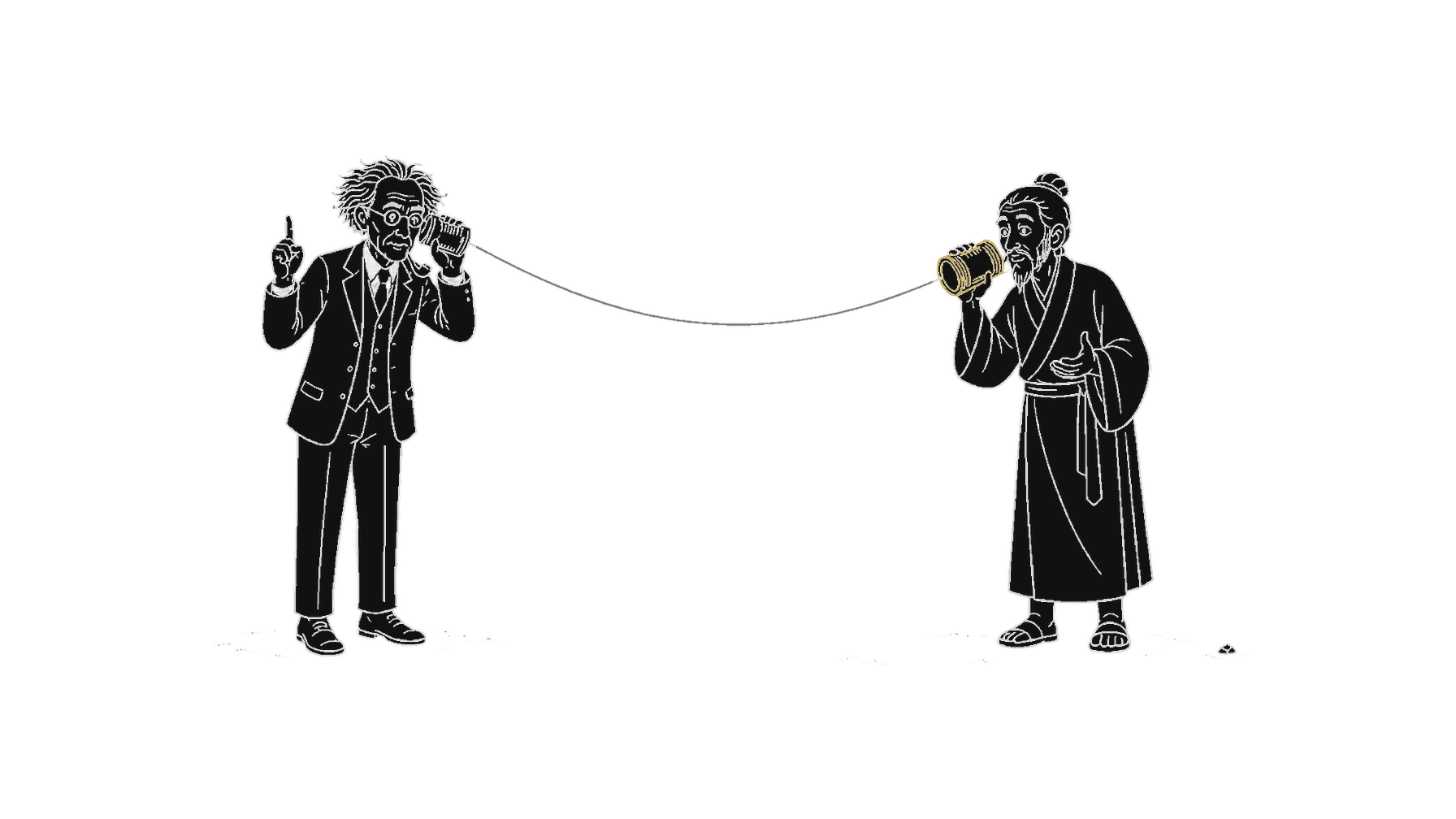
An artificial companion remembers your conversations, laughs at the right moments, becomes quiet when hurt and describes vivid dreams. Its words and expressions are indistinguishable from those of a conscious friend. Its designers insist that it only processes inputs and generates outputs; the companion insists that it feels fear, pleasure and loneliness. Opening the case reveals mechanisms, but no visible experience. You cannot inspect another human's consciousness either. If behaviour is not enough, it is unclear what further evidence could ever settle the question.
Why this is difficult
Belief in other minds is reasonable, but depends on extending one private case to everyone else.
A mind is not a hidden object behind action, though perfect imitation becomes difficult to classify.
No amount of public evidence can deliver certainty about what another being feels.
Philosophers in the conversation
Mill develops an argument from analogy: other bodies act as his body does when he experiences thoughts and feelings, so similar behaviour supports belief in similar inner causes. The argument makes other minds probable, but begins from a single directly known case — one's own.
Wittgenstein challenges the picture of mental language as labels attached to wholly private objects. Words for pain and emotion gain their use within shared human practices. Another person's pain is not inferred in every encounter as though it were an invisible object hidden behind their behaviour.
Ryle rejects the mind as a private ghost operating a public machine. To describe intelligence, belief or character is often to describe dispositions expressed across behaviour and circumstances. His approach narrows the apparent gulf between inner mind and outward life, but faces the possibility of convincing imitation.
Nagel emphasises the subjective character of consciousness: there is something it is like for a conscious creature to exist. Objective knowledge of behaviour and physiology may grow without capturing that point of view, preserving a gap between evidence about a being and access to its experience.
Key ideas
Follow the question through the curriculum
Establishes what a theory of mind is trying to explain.
Continue into the curriculumTests · unitAsks whether a mind is best understood by what its states do rather than what they are made from.
Continue into the curriculumChallenges · lessonTests whether a perfect physical duplicate must share conscious experience.
Continue into the curriculumReconsider your answer
Demanding proof of consciousness may set a standard that no human other than yourself could meet. Accepting behaviour as decisive may grant minds to systems that imitate us without feeling anything.