Freedom requires genuine alternative possibilities.
If the past and laws fix one future, no one could have acted otherwise.
Metaphysics and ethics
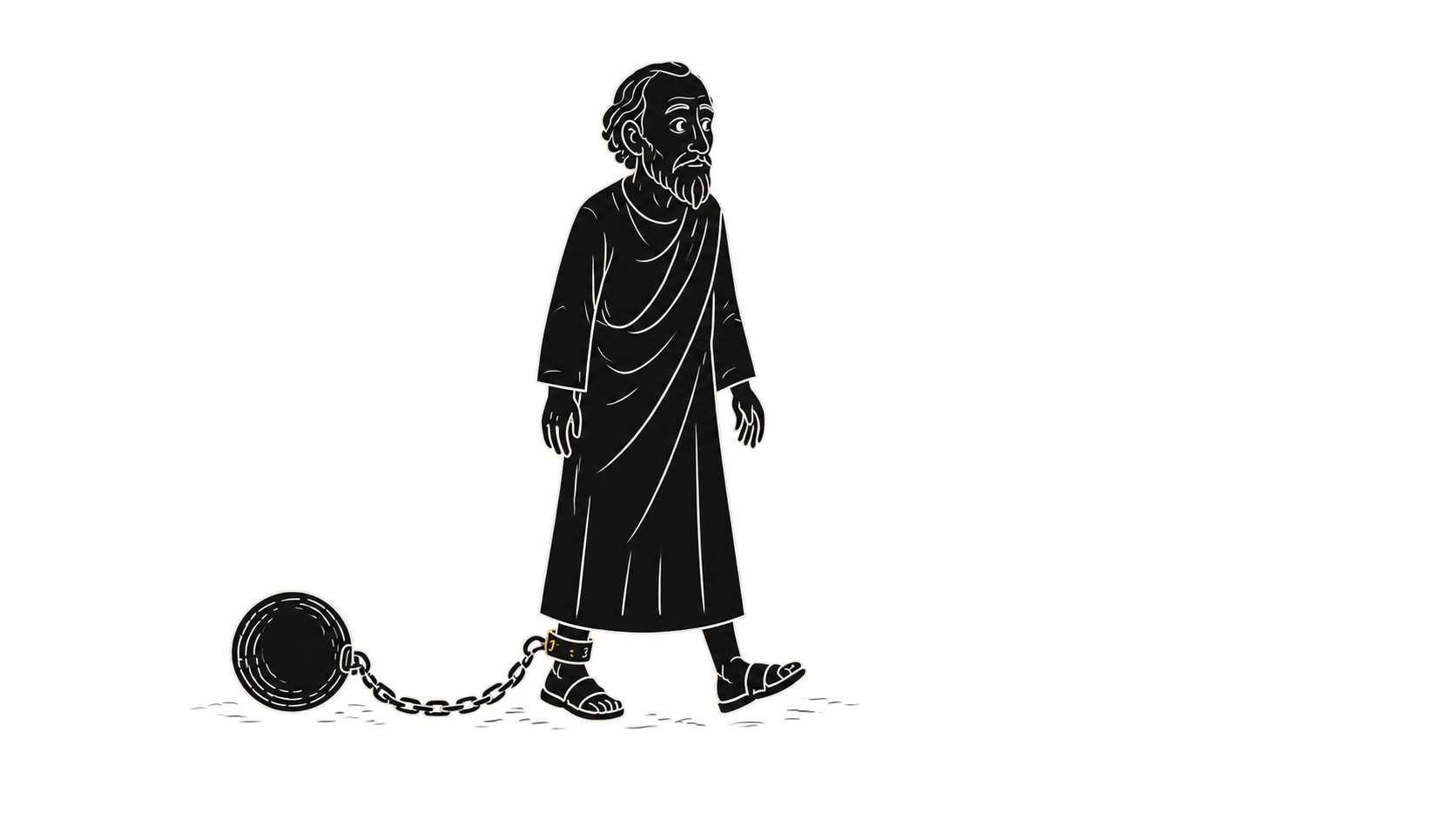
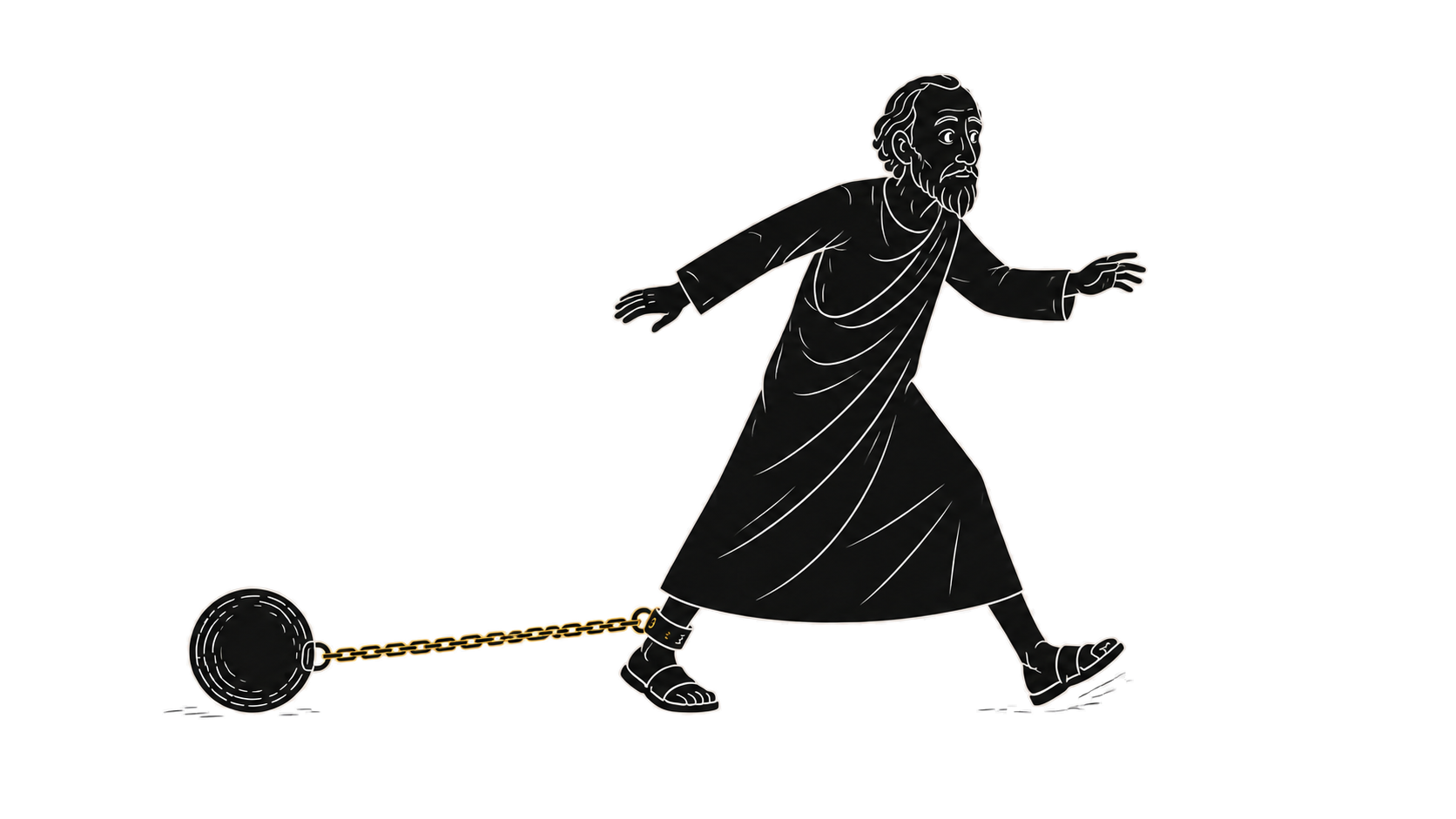
The problem in miniature
A machine receives every physical fact about you and the world one minute before you choose between tea and coffee. It prints coffee, seals the prediction and remains correct. You read the result only after choosing, so it does not influence you. The machine may have revealed a deterministic chain, or it may simply be an extraordinarily accurate predictor. Either way, you chose for your own reasons and nobody forced you. If you could not have done otherwise in exactly those conditions, the question is whether acting from your own character is freedom enough.
Why this is difficult
If the past and laws fix one future, no one could have acted otherwise.
A determined action can remain free when it expresses the agent's values and deliberation.
No one creates their initial character, so complete self-authorship may be impossible.
Philosophers in the conversation
Spinoza argues that people call themselves free because they know their desires but not the causes that produce them. Understanding necessity does not simply make us passive; greater knowledge of causes can replace confused compulsion with more adequate and active understanding.
Hume reconciles liberty with causal regularity. Freedom is not an uncaused break in nature but the ability to act according to one's will when unconstrained. Reliable connections between character, motive and action help make responsibility intelligible rather than destroying it.
Sartre gives human freedom a radical existential role. Even within severe circumstances, a person takes a stance towards what confronts them and remains responsible for projects and meanings. Critics question whether this underestimates causal, social and psychological limits on choice.
Frankfurt cases challenge the claim that moral responsibility always requires the ability to do otherwise. A controller ensures that an agent cannot choose differently but never intervenes because the agent chooses the intended action independently. Responsibility may depend more on the actual source of action than unused alternatives.
Key ideas
Follow the question through the curriculum
Places free will among wider questions about reality, existence and causation.
Continue into the curriculumTests · lessonDevelops determinist, libertarian and compatibilist possibilities directly.
Continue into the curriculumApplies · lessonTransfers the metaphysical dispute into blame, circumstance and injustice.
Continue into the curriculumReconsider your answer
A person may act from desires they wholeheartedly endorse while never having chosen the history that formed those desires. Freedom from coercion does not automatically provide ultimate self-creation.