Justice requires equal rules and resources.
Decisions remain transparent and impartial, but unequal starting conditions may be reproduced.
Political philosophy
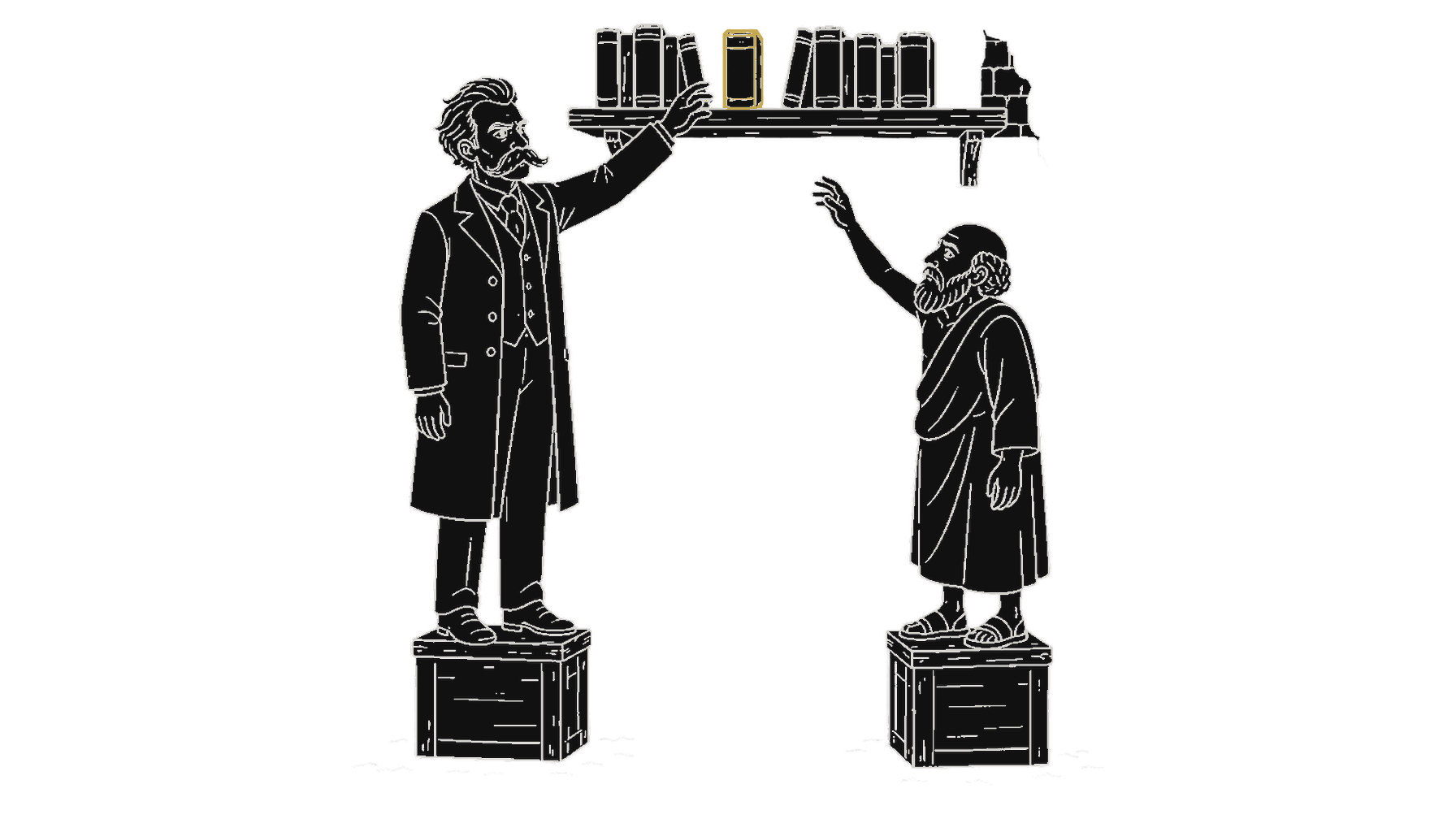
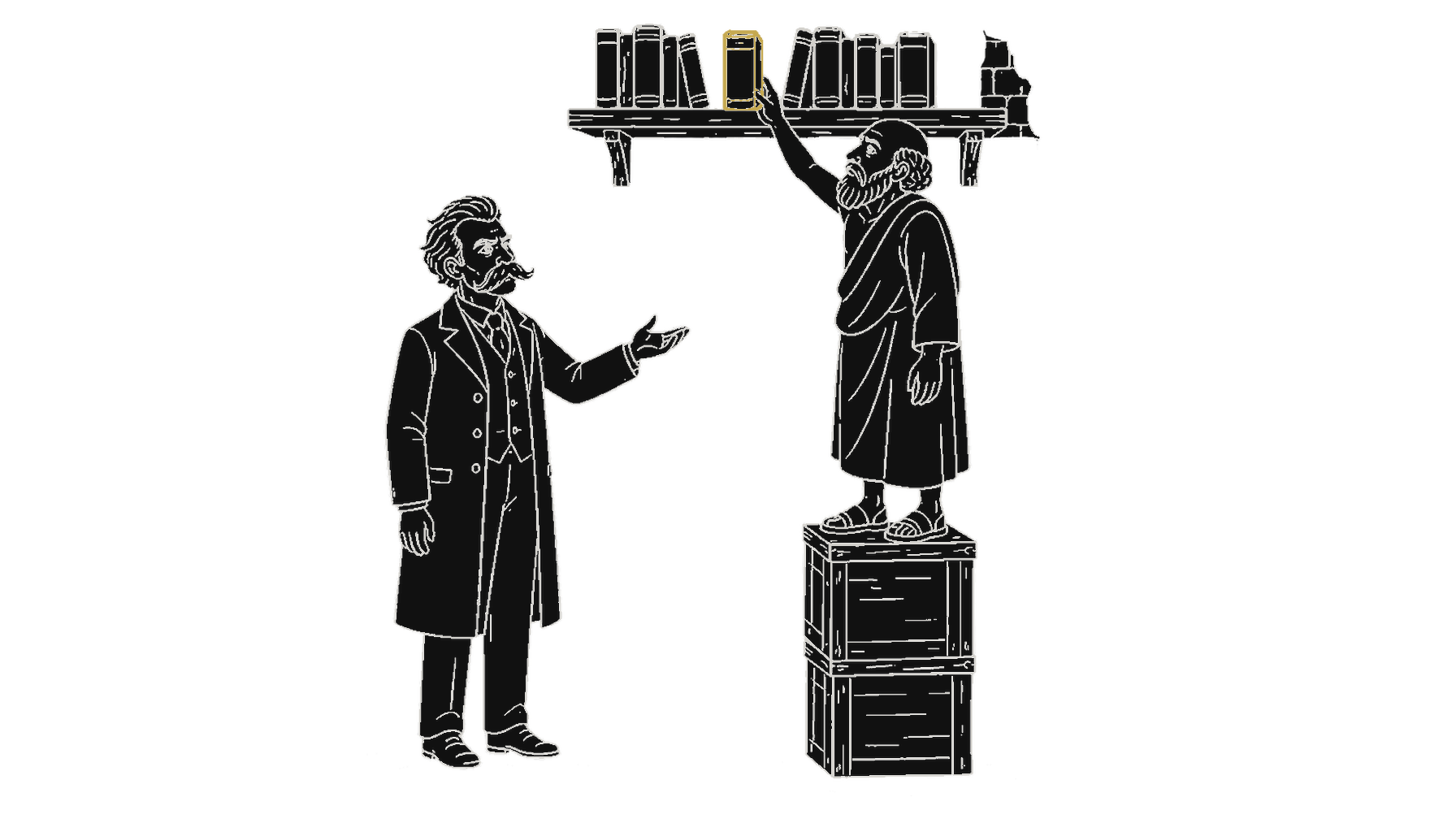
The problem in miniature
Three pupils sit the same timed examination. One has had years of specialist teaching, one has recently learned the language of the paper, and one uses assistive technology that takes extra time to operate. Giving all three identical conditions looks impartial. Adjusting time or support responds to different barriers, but means the pupils are no longer treated alike. Some differences are relevant to fair opportunity; others may reflect choices, luck or social advantage. A principle of equity therefore needs more than the instruction to give people what they need: it must decide which needs justice should answer.
Why this is difficult
Decisions remain transparent and impartial, but unequal starting conditions may be reproduced.
Different support can be justified, though institutions must judge which disadvantages count.
Redistribution can itself appear unfair even when outcomes remain sharply unequal.
Philosophers in the conversation
Aristotle distinguishes treating equal cases equally from treating relevantly unequal cases differently. The formula does not decide which differences matter; that depends on the purpose of the distribution. His approach exposes why fairness cannot be settled by identical treatment alone.
Rawls asks which principles people would choose without knowing their own place in society. Equal basic liberties have priority, while social and economic inequalities require justification, including benefit to the least advantaged and fair equality of opportunity under institutions they could accept as free equals.
Nozick challenges patterned distributions that continually adjust holdings to fit an ideal outcome. If people acquire and transfer resources justly, their entitlements matter even when the result is unequal. The focus shifts from a snapshot of distribution to the history that produced it.
Sen argues that equal resources can translate into very unequal real freedoms because people differ in circumstances and needs. The capabilities approach asks what individuals are actually able to do and be, widening the assessment of justice beyond identical goods or reported satisfaction.
Key ideas
Follow the question through the curriculum
Examines institutional, structural and personal dimensions of unequal treatment.
Continue into the curriculumChallenges · lessonTests whether formally equal decisions can reproduce hidden patterns of disadvantage.
Continue into the curriculumApplies · unitPlaces fairness under pressure where medical needs and scarce resources compete.
Continue into the curriculumReconsider your answer
Every correction redistributes some cost, attention or opportunity. A policy that removes one barrier can create a new burden for someone who did not cause the original disadvantage.