Knowledge must rule out every possibility of error.
Ordinary knowledge becomes rare: dreams and deception are difficult to rule out completely.
Epistemology
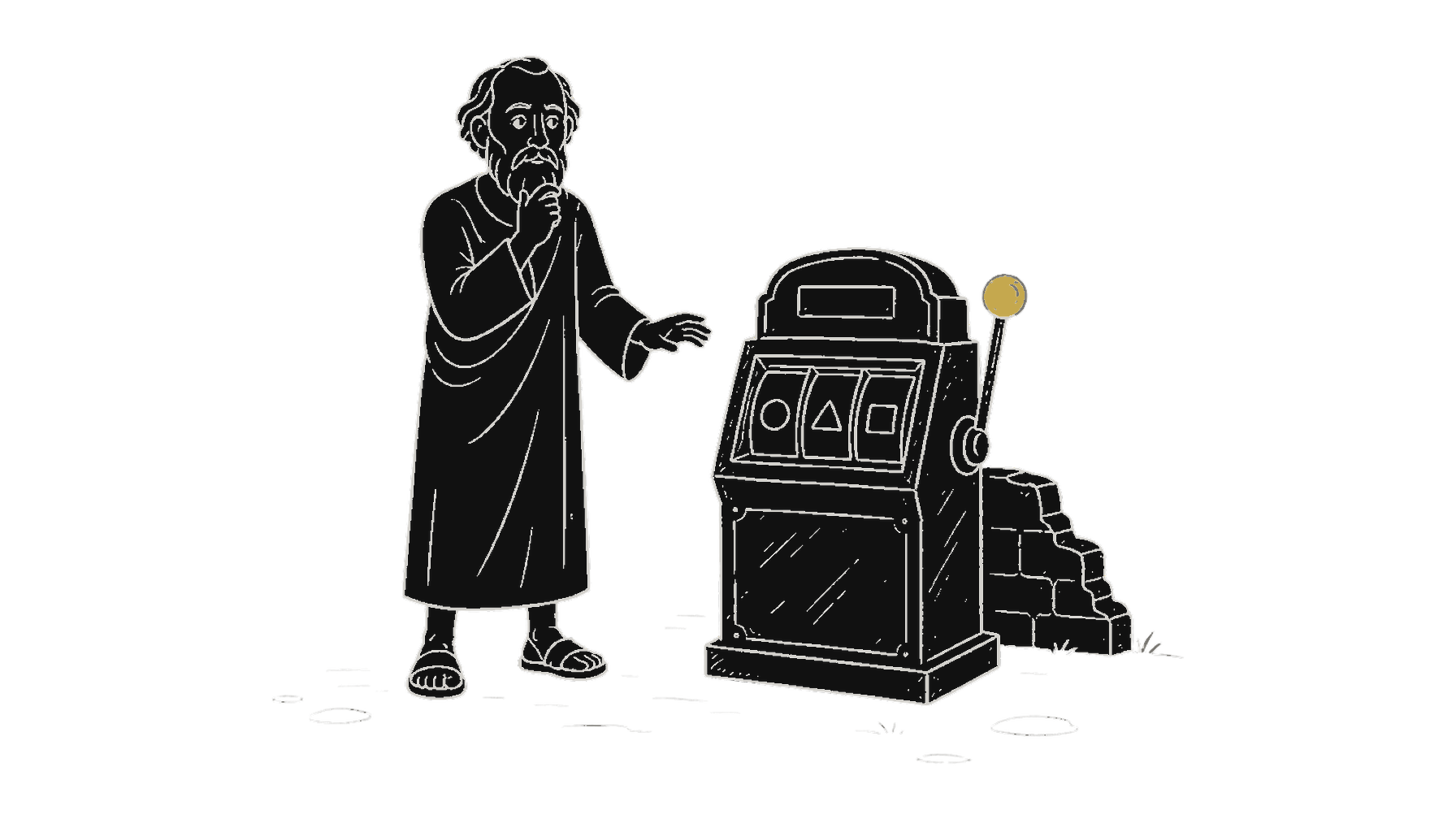
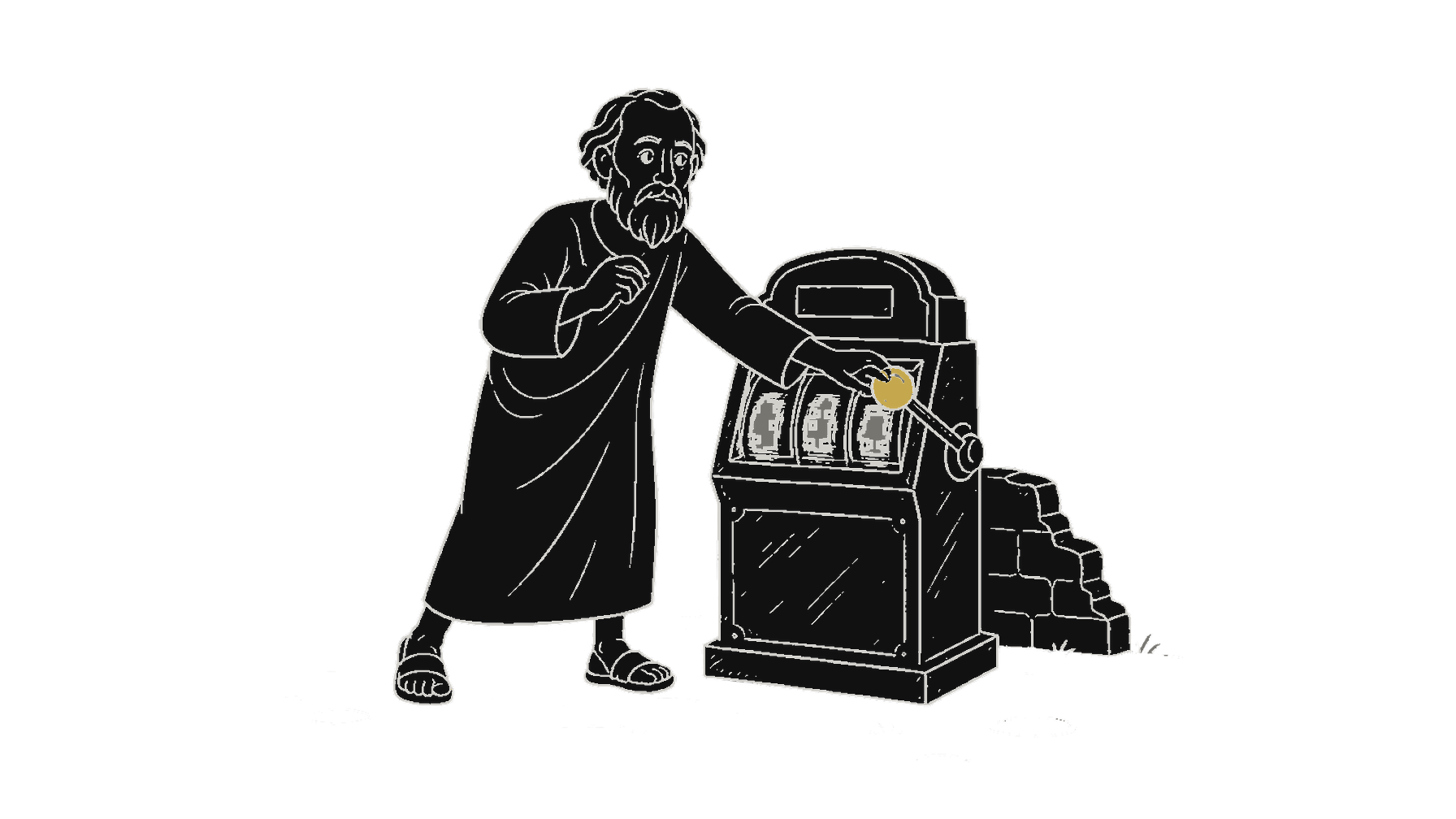
The problem in miniature
You wake in your room, read a message, feel the cold floor, and begin an ordinary day. Hours later, you discover that every sensation was produced by a perfect simulation. Nothing felt strange, not even for a moment, and no test available from within the experience could expose it. At the time, you were completely certain that you were awake. You were wrong. Yet the experience was indistinguishable from one you normally trust. The case separates how secure a belief feels from what makes it knowledge.
Why this is difficult
Ordinary knowledge becomes rare: dreams and deception are difficult to rule out completely.
Knowledge can survive uncertainty, but merely lucky true belief must still be excluded.
The sceptic may be asked why a remote possibility should defeat what we ordinarily know.
Philosophers in the conversation
Descartes deliberately withholds assent from anything open to doubt. Dreams and a powerful deceiver unsettle sense experience and reasoning, while the act of thinking appears to survive the test. His method asks whether knowledge can be rebuilt only after a perfectly secure foundation has been found.
Hume treats many of our expectations as habits formed by experience, not conclusions reason alone can secure. The world has behaved itself so far; that is not a proof that it will continue to do so. His challenge is less a dramatic deception than the gap between repeated experience and certainty about what must happen next.
Moore resists scepticism by beginning with ordinary knowledge: he knows that he has hands and that an external world exists. The dispute is over which claim deserves greater confidence: the familiar judgement or the philosophical premise that seems to undermine it.
Wittgenstein examines the background certainties that make inquiry possible. Some commitments are not conclusions reached from evidence; they are the fixed points around which checking, doubting and giving reasons operate. Universal doubt may therefore remove the very practices that give the word doubt its sense.
Key ideas
Follow the question through the curriculum
Builds the distinction between belief, justification and knowledge through seven compact cases.
Continue into the curriculumChallenges · lessonDevelops the sceptical problem before testing Descartes' dream and deceiver arguments.
Continue into the curriculumExtends · unitFollows the A-level dispute over scepticism and the external world.
Continue into the curriculumReconsider your answer
A standard that rules out every sceptical possibility may also rule out nearly every ordinary claim to knowledge. Lower the standard and ordinary knowledge survives; the awkward question is how much risk of error is acceptable.