Every result shows the choices that produced it. You can defend the pattern or reject it.
Make the choice. Defend the principle.
Philosophy Lab
Games that force a decision, expose the principle behind it and show where that principle breaks.
Choose an experiment
Play, decide, reconsider
All 15 games are playable now. Choose a problem and make the reasons behind your answer visible.
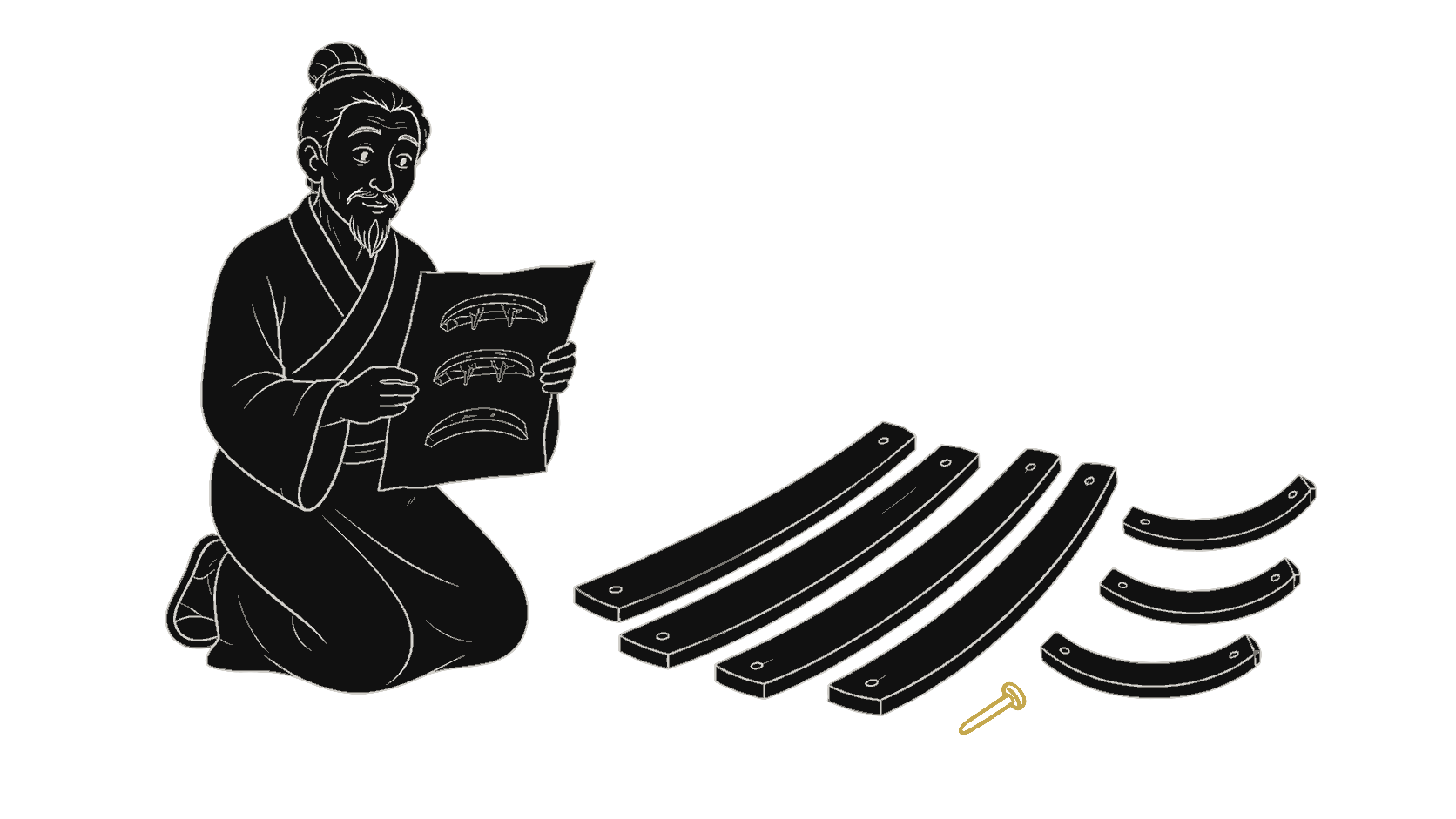
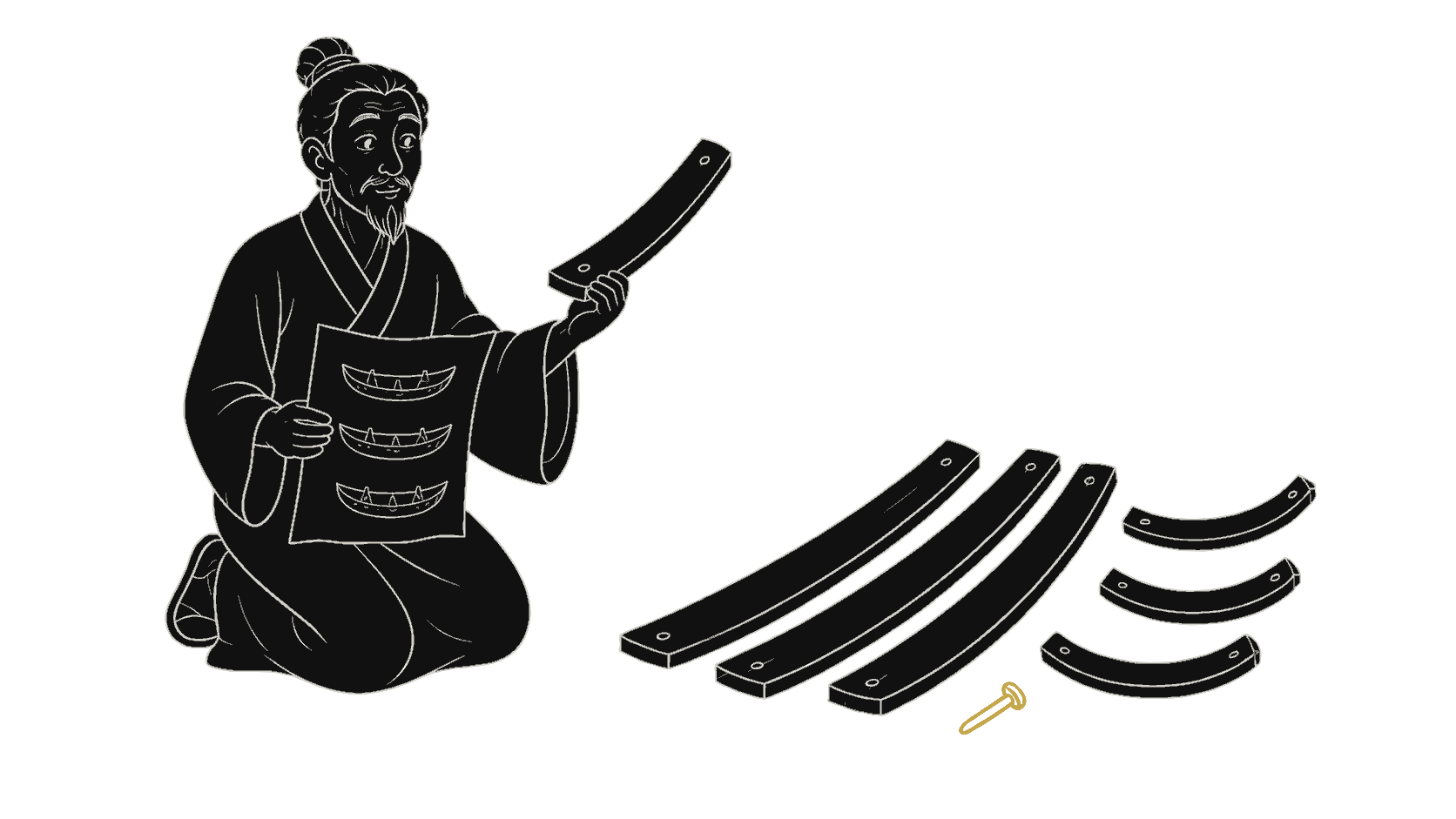
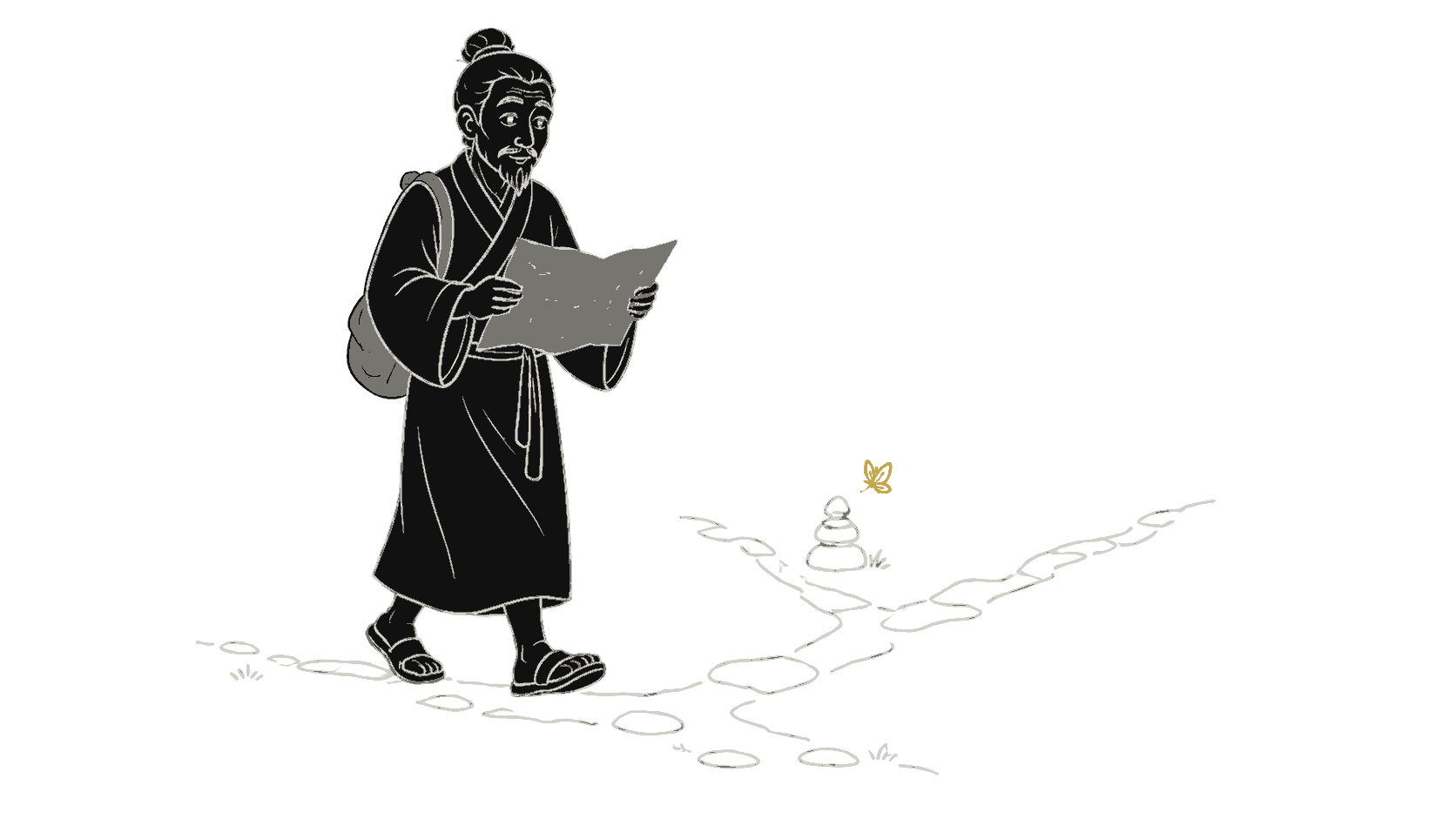
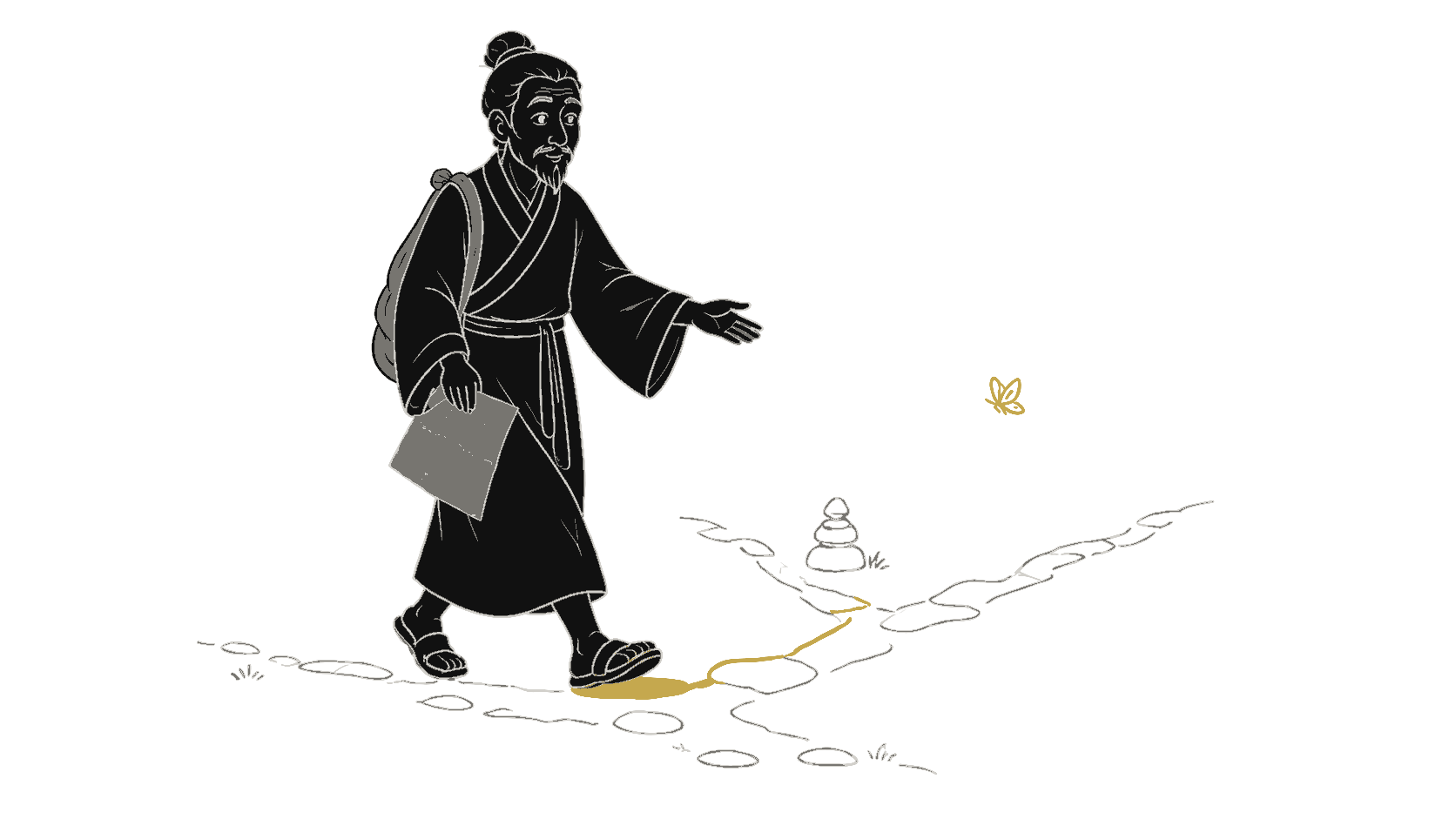
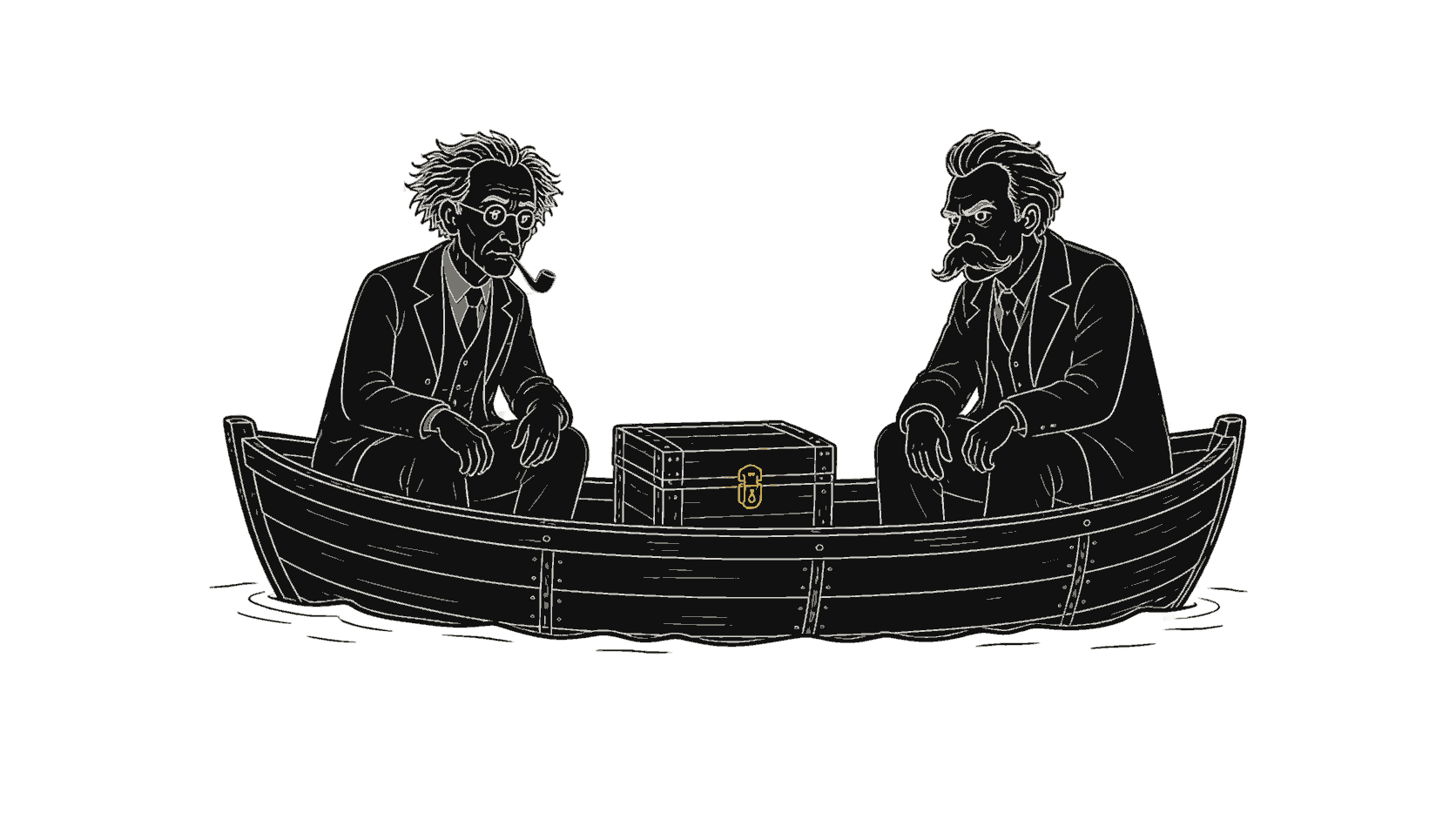
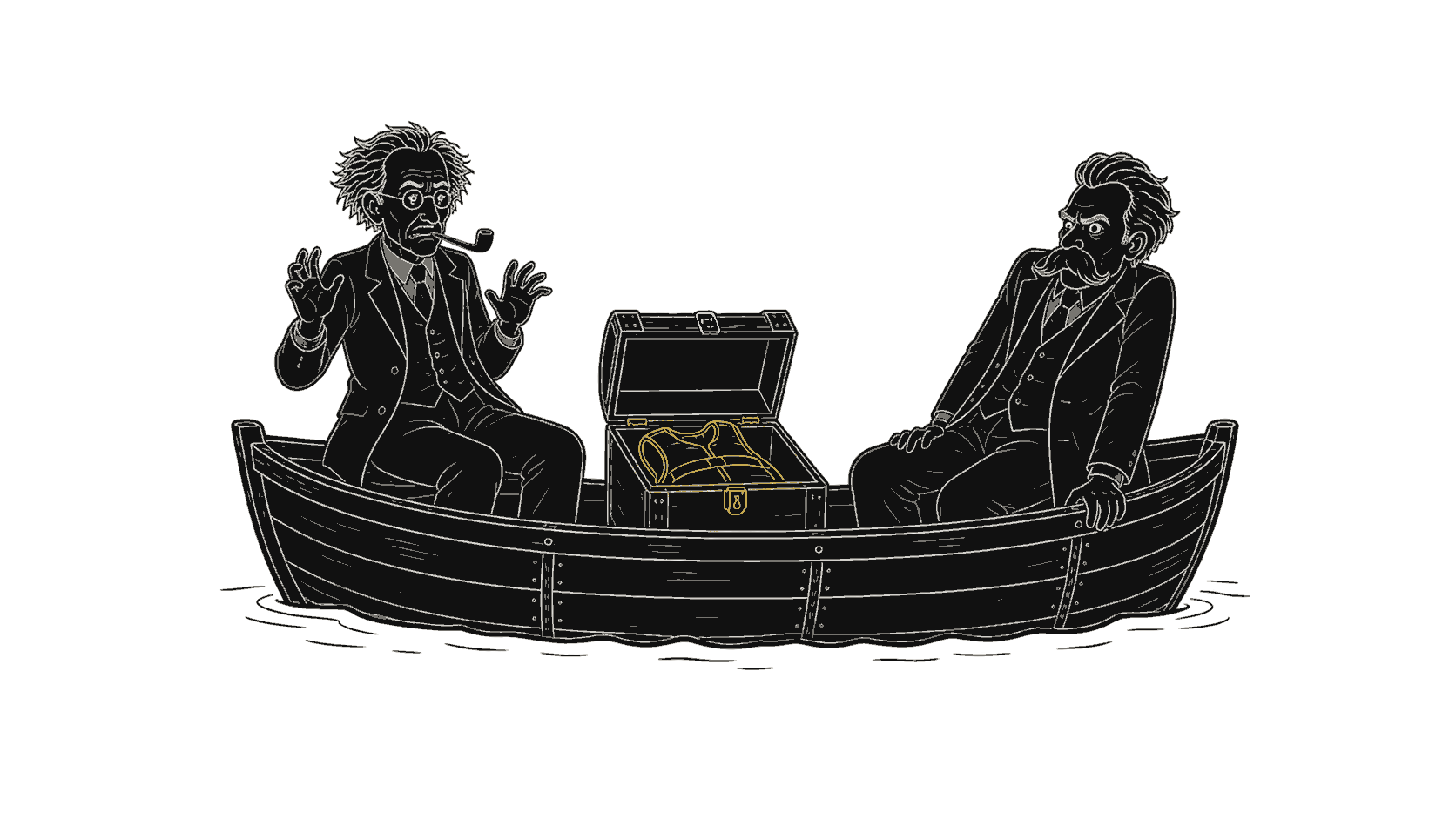
The Ship of Theseus
Change every part. What stays the same?
Follow one ship through six increasingly awkward repairs, then see which kind of continuity your answers relied on.
Philosophy Profile
Politics, morality or reality. Choose your question.
Choose a short or full quiz in political philosophy, moral philosophy or metaphysics, then explore the positions your answers support.
Moral Cartographer
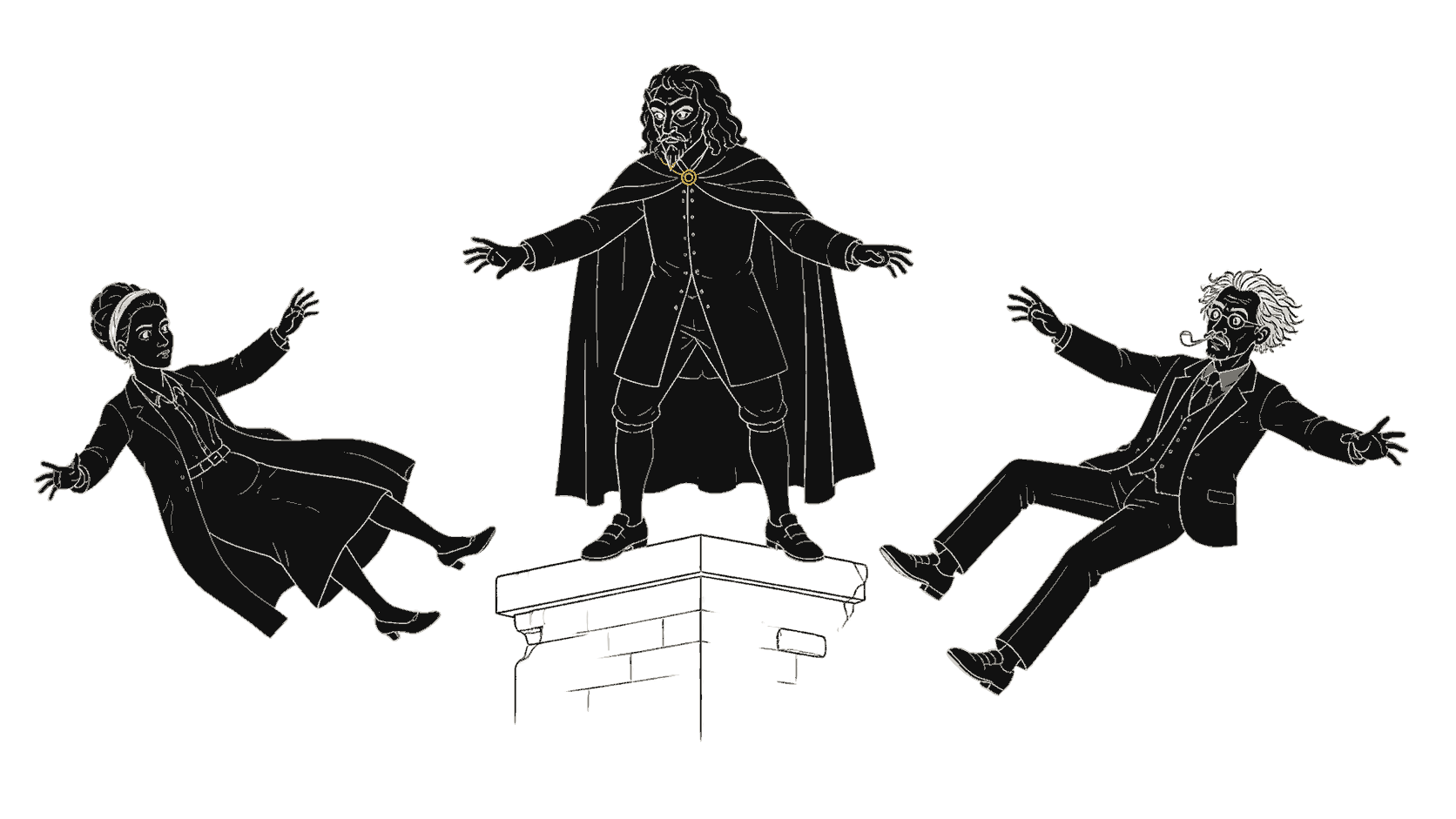
Trolleys, trade-offs and terrible timing.
Respond to serious and comic sacrificial dilemmas, then inspect the moral considerations that moved your decisions.
No Good Options
One crisis. No neutral decisions.
Lead a fictional government through nine escalating decisions and inspect which theory of justice best explains the policies and reasons you chose.
The Prisoner's Dilemma
Trust is rational. So is betrayal.
Play repeated rounds against different strategies and learn why individually sensible choices can leave everyone worse off.
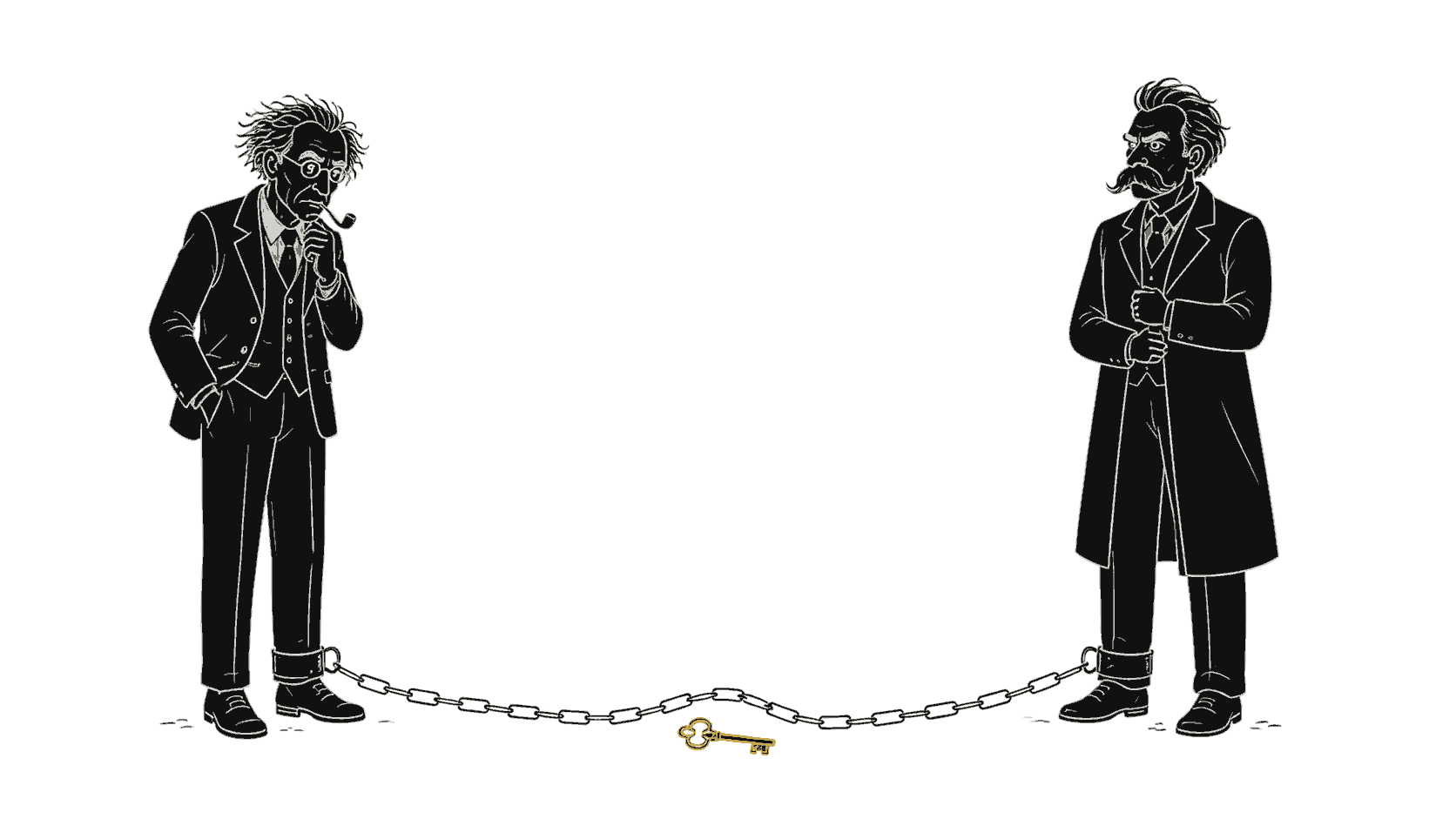
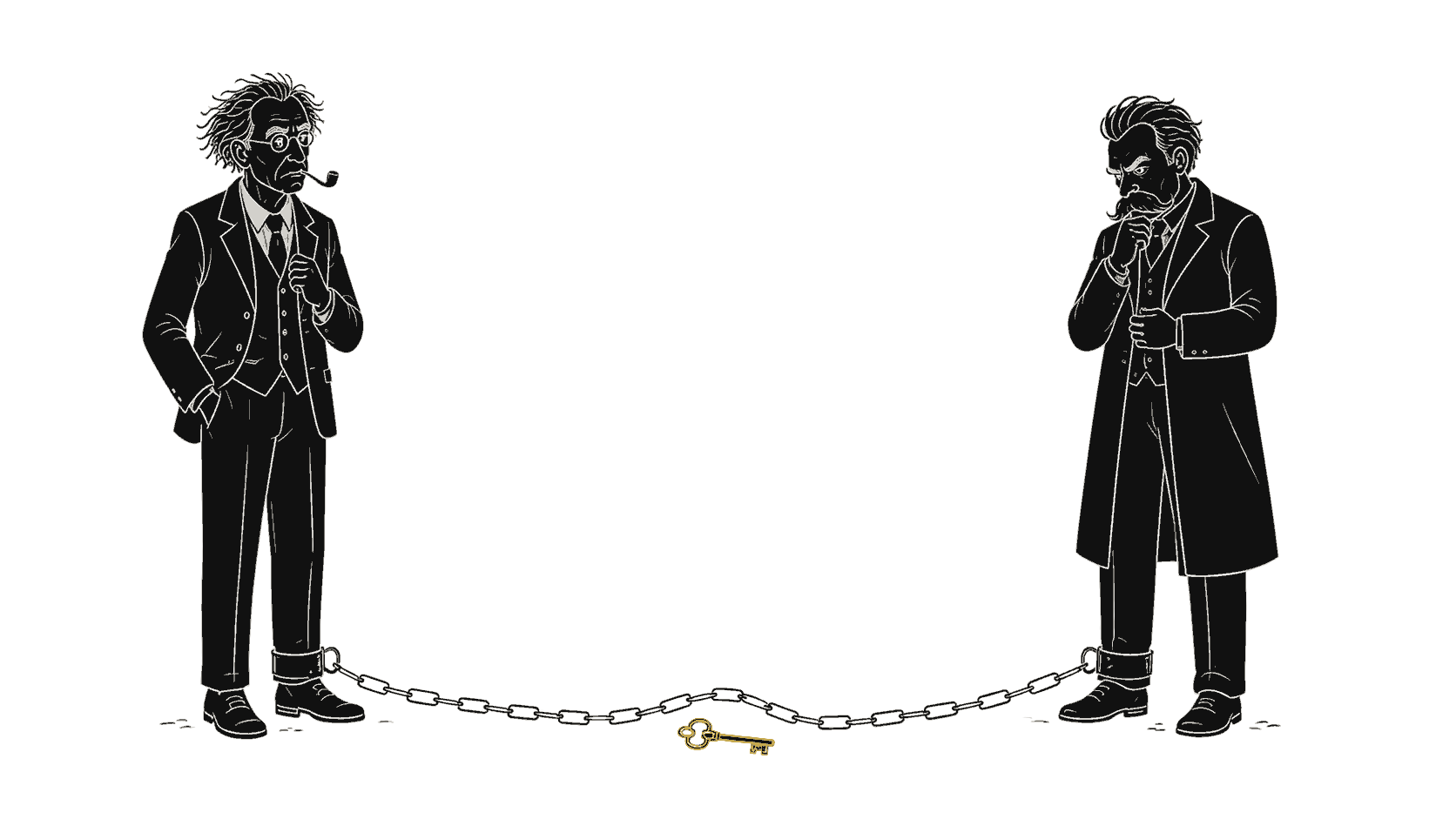
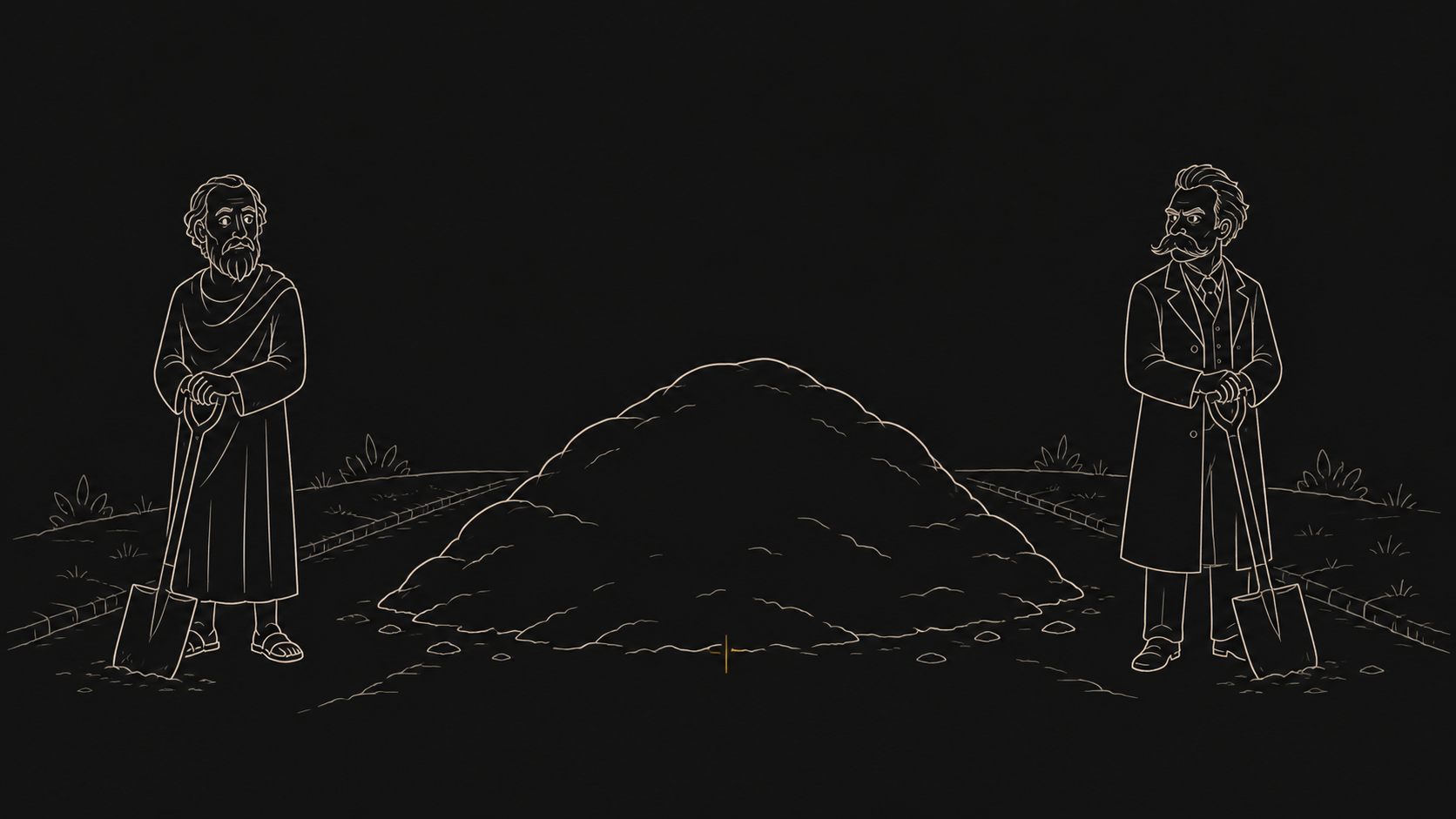
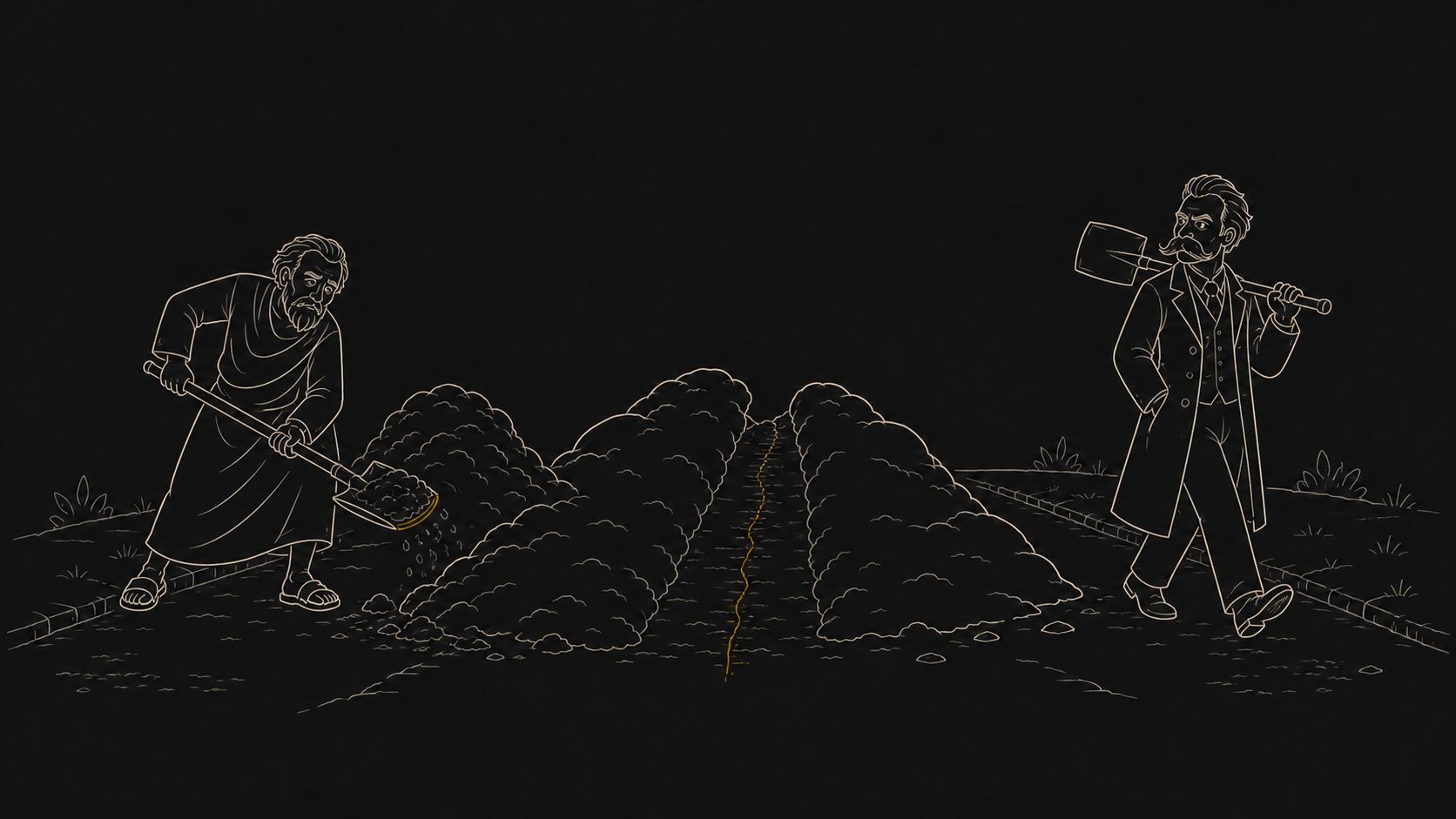
The Snowdrift
Someone must shovel. Must it be you?
A fast cooperation game showing how incentives change when the shared good still arrives after one person does the work.
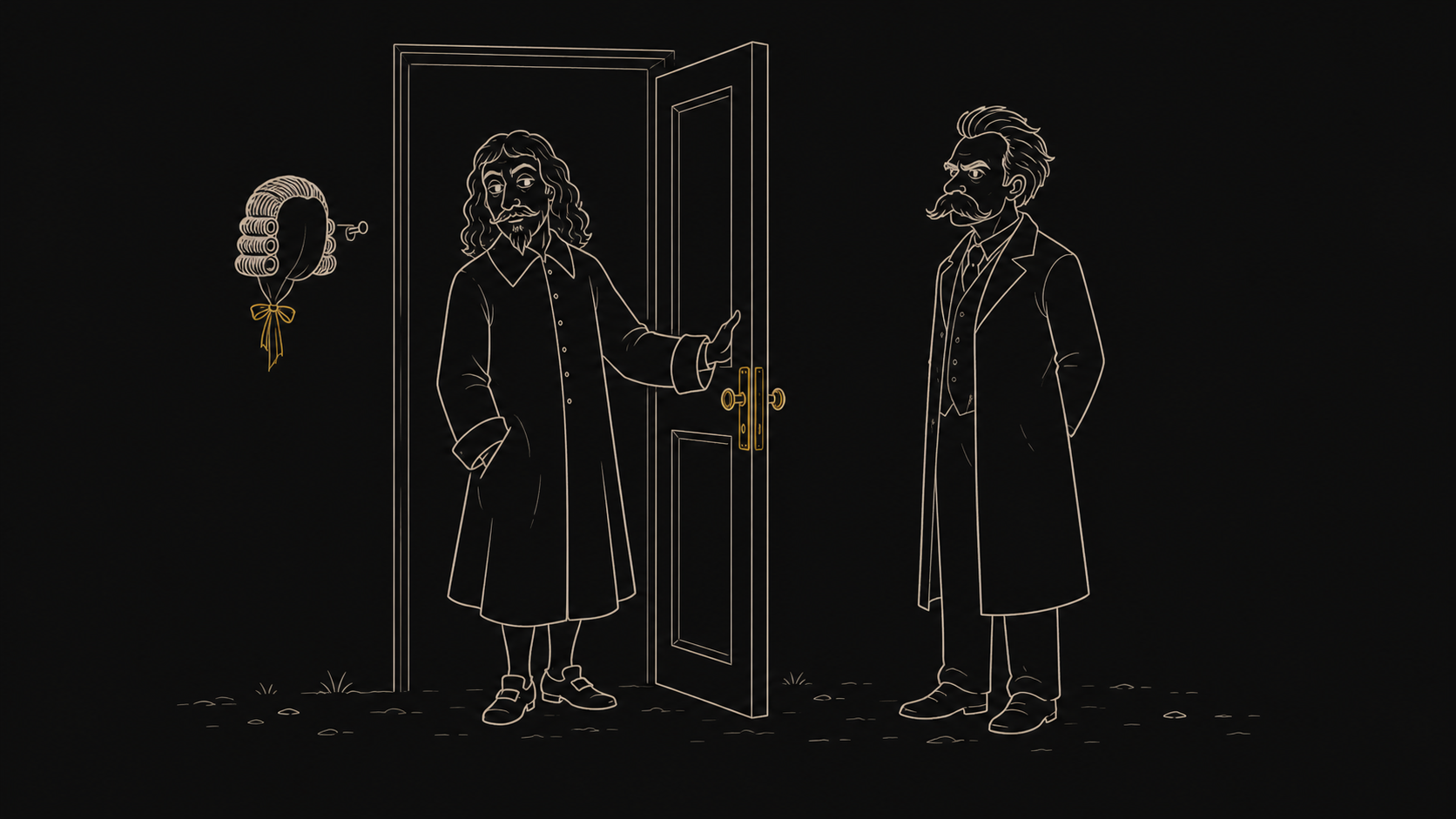
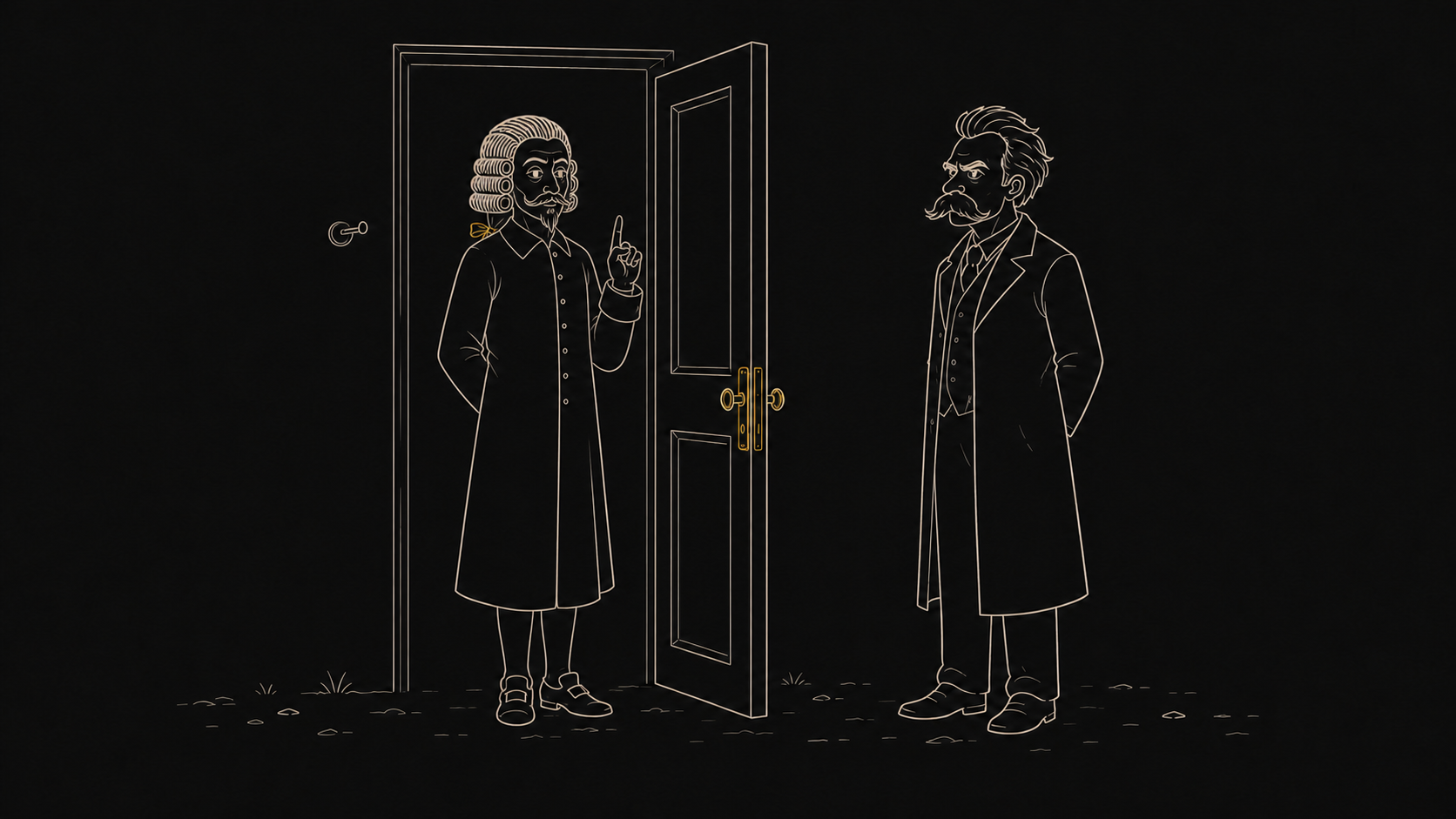
Kant at the Door
A murderer asks where the victim is hiding. Must you tell the truth?
Test five versions of Kant's murderer-at-the-door problem and decide whether duty can require you to assist a killing.
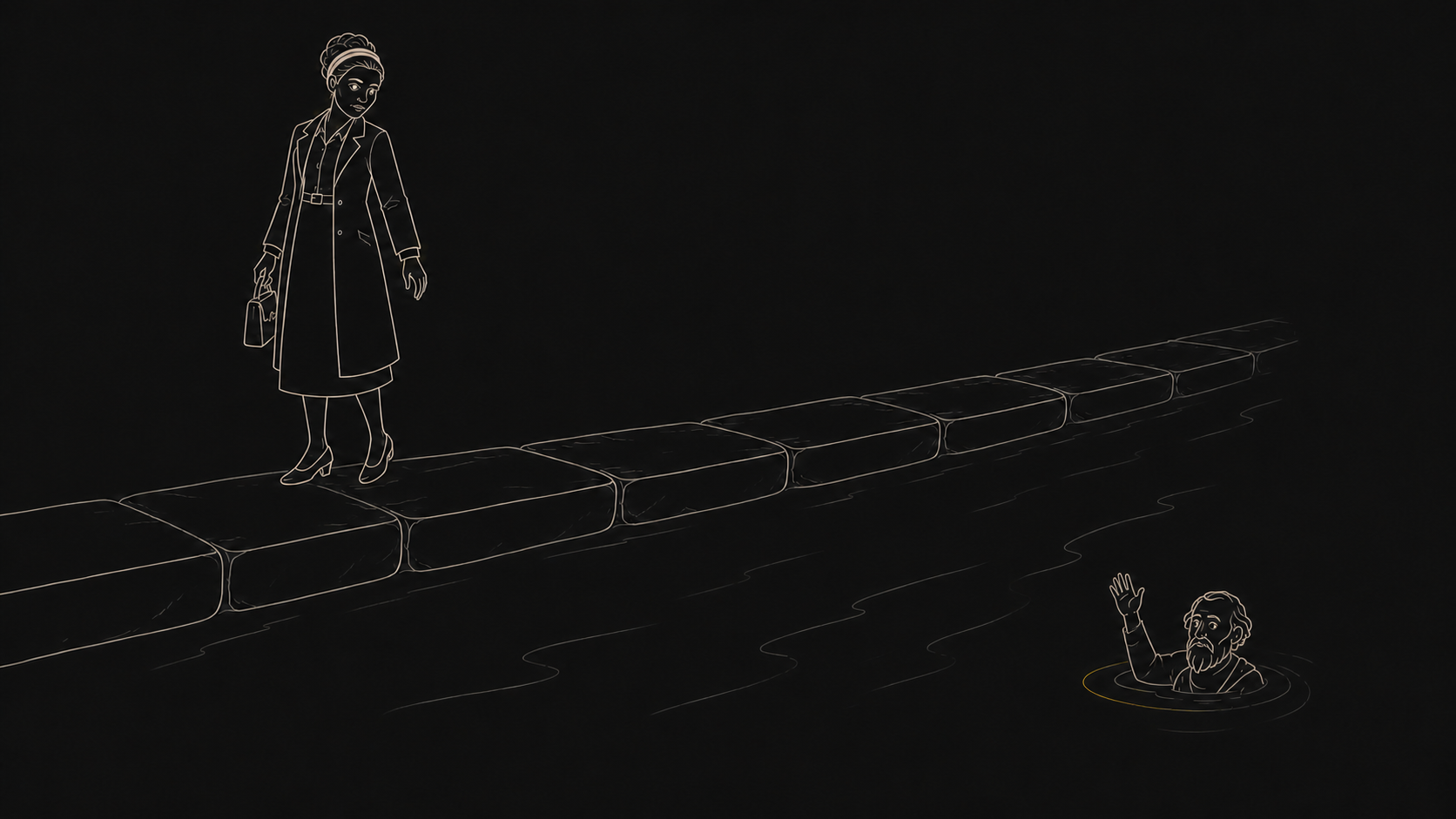
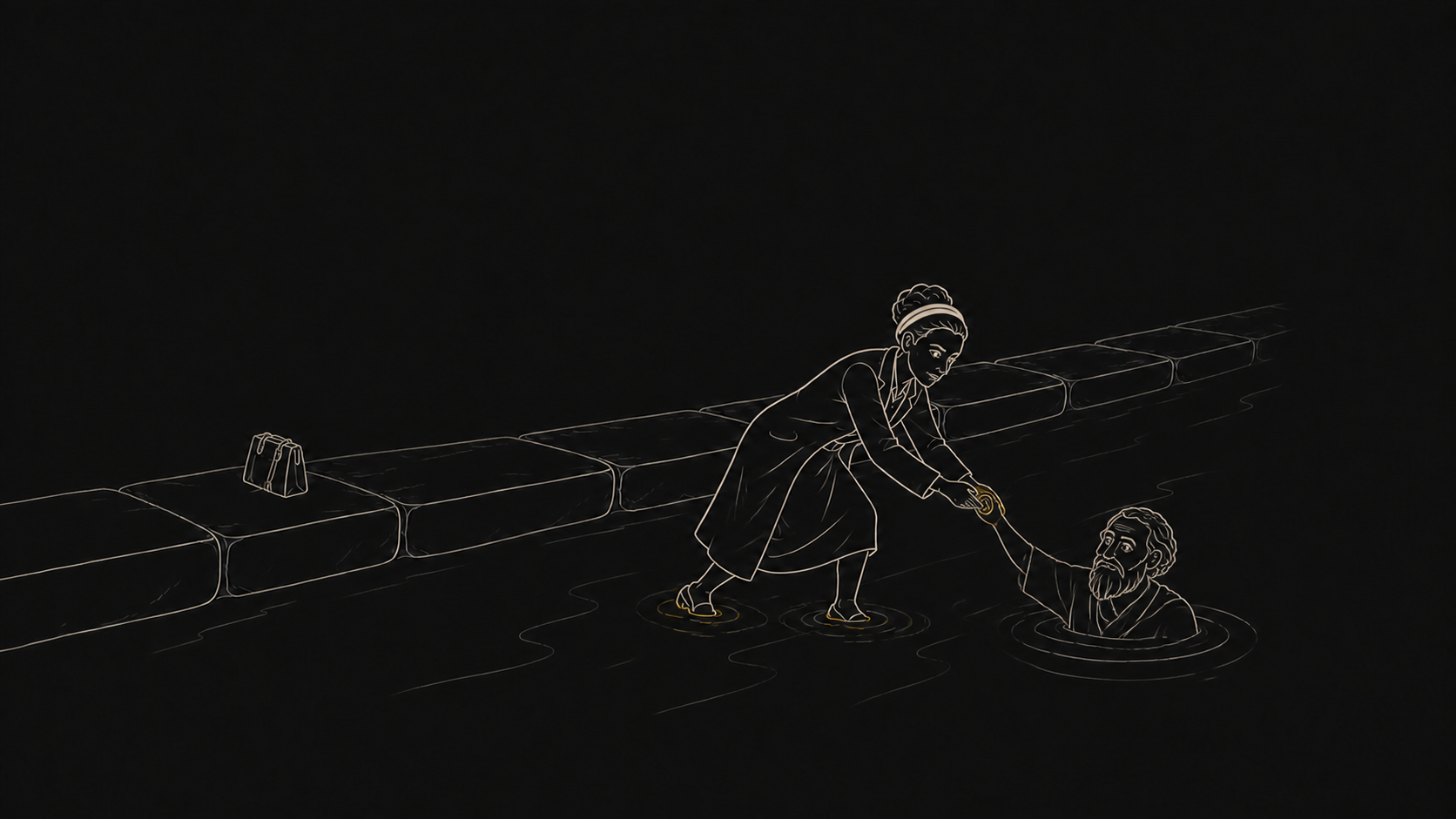
The Drowning Child
A child will drown unless you act. What about a death far away?
Move from saving one drowning child to the deaths that effective giving can prevent, then decide where duty ends.
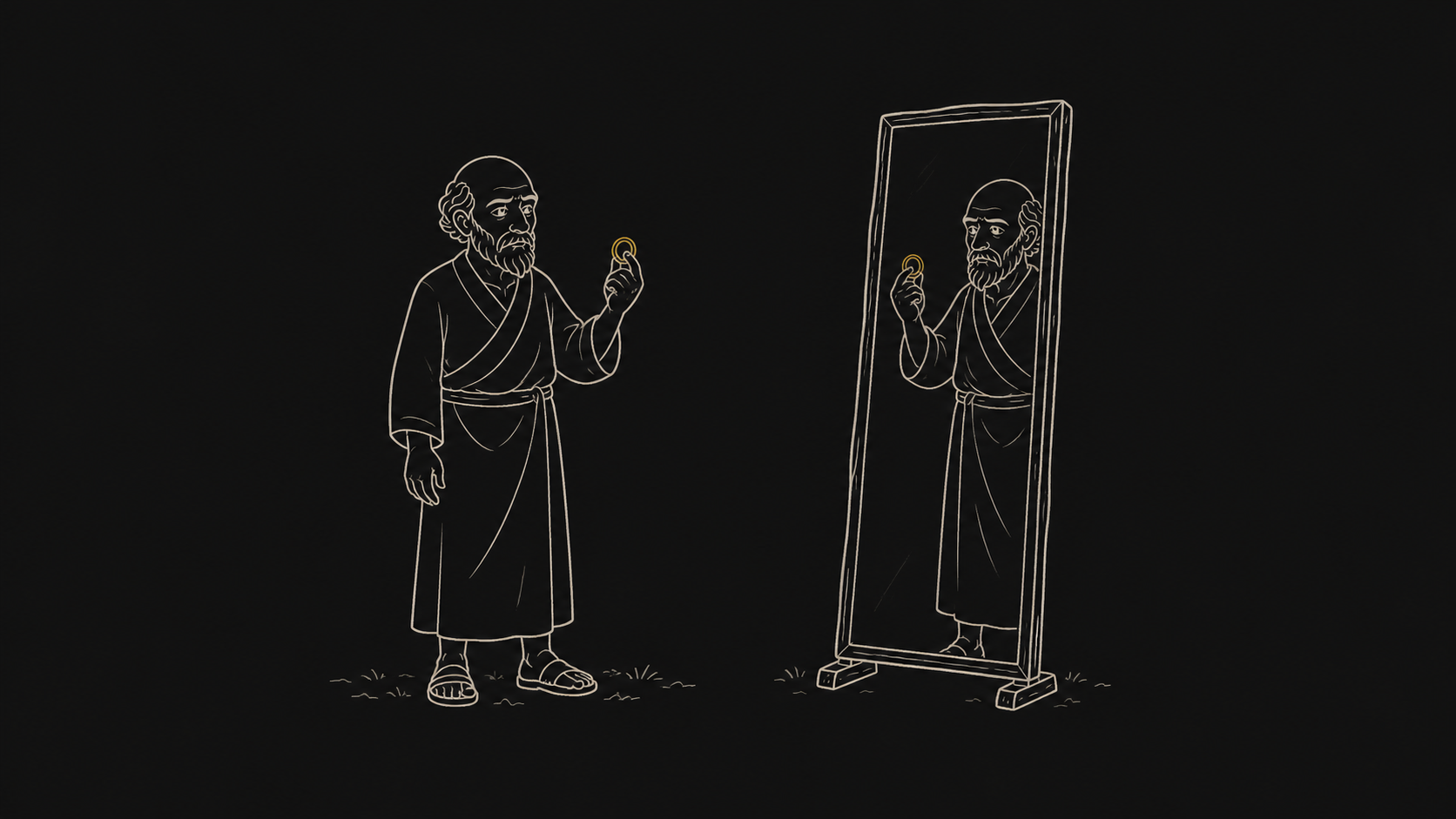
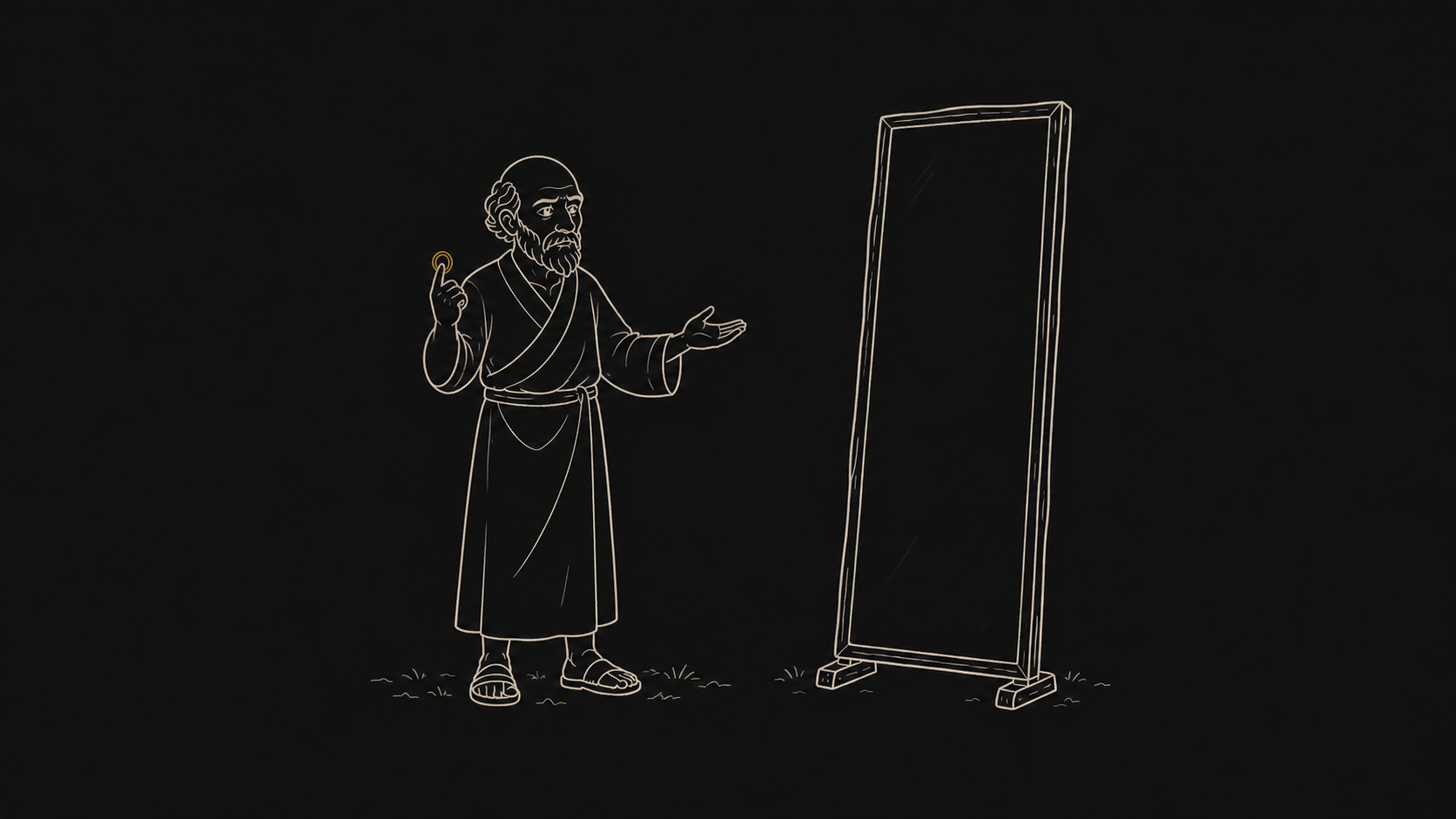
The Ring of Gyges
Invisible, unaccountable, unchanged?
Choose what to do when nobody can detect or punish you, then examine whether justice needs an audience.
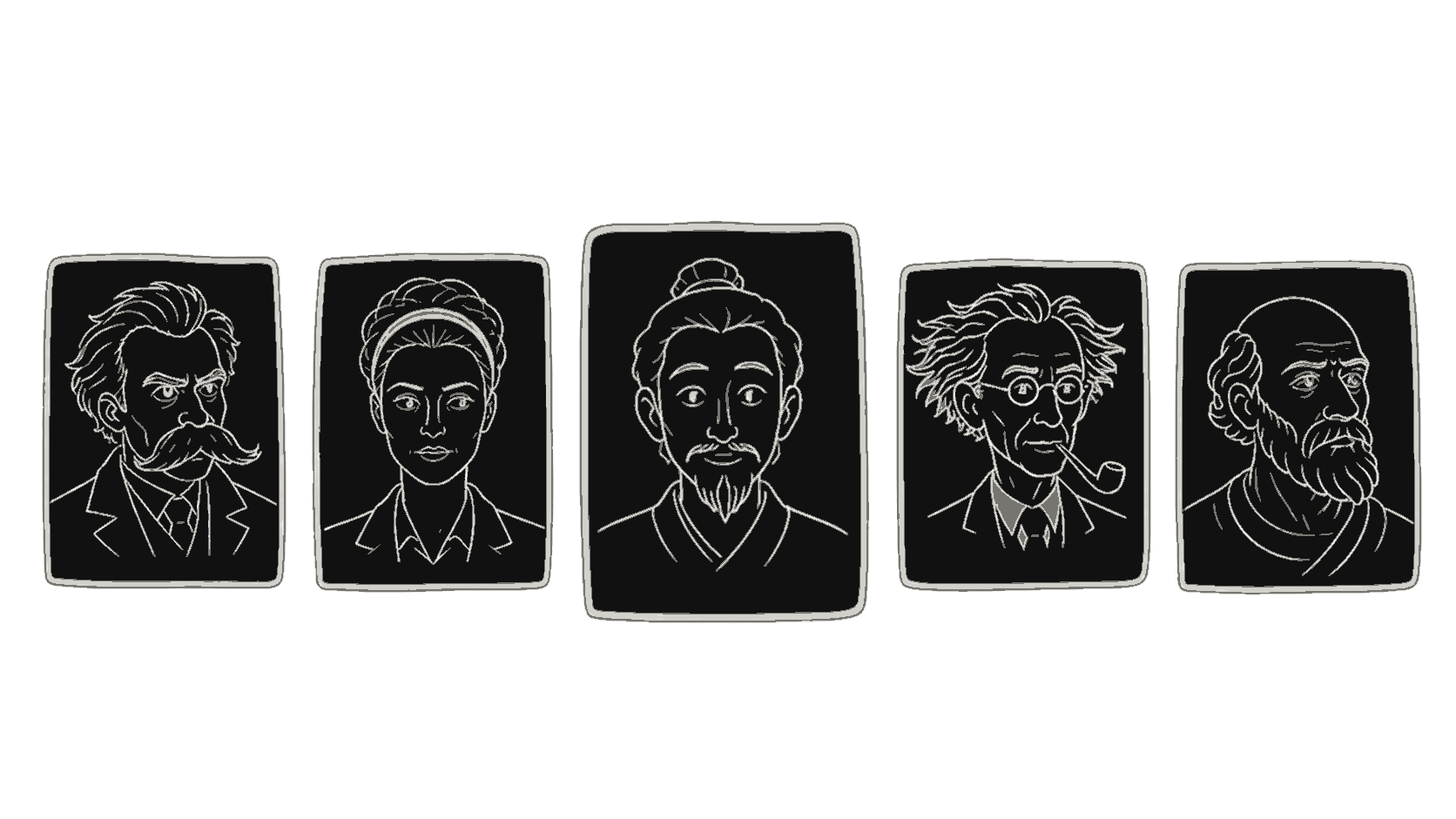
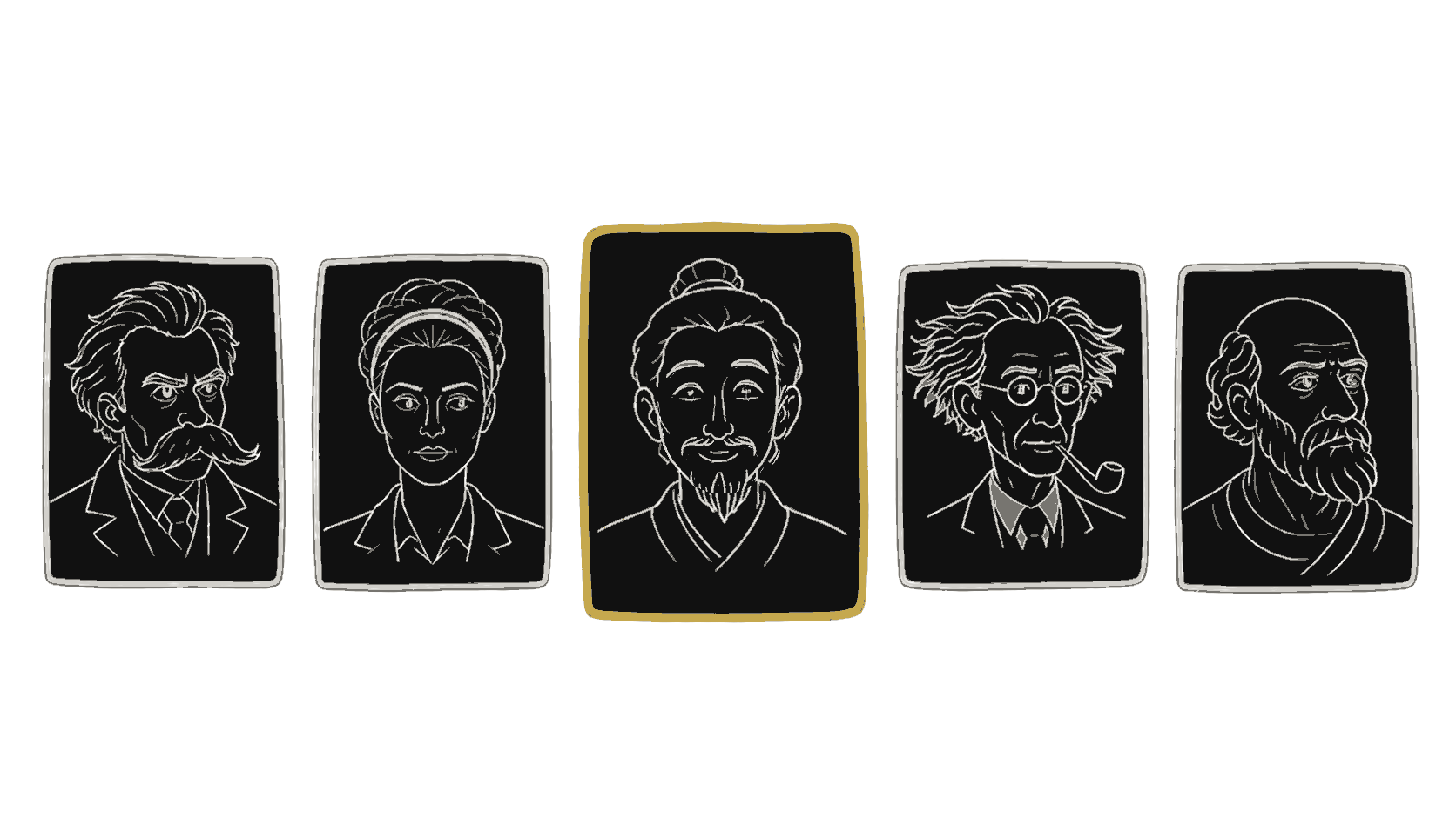
Philosopher Match
Find your closest ally—and your sharpest disagreement.
Make 24 choices and meet the philosopher whose methods and argumentative habits most often match your own.
The Last Seat
Twelve people. Five seats. Every new fact changes the manifest.
Choose who escapes and who is left to die, revise the manifest as information arrives, then confront what your choices rewarded.
Philosopher Dinner Party
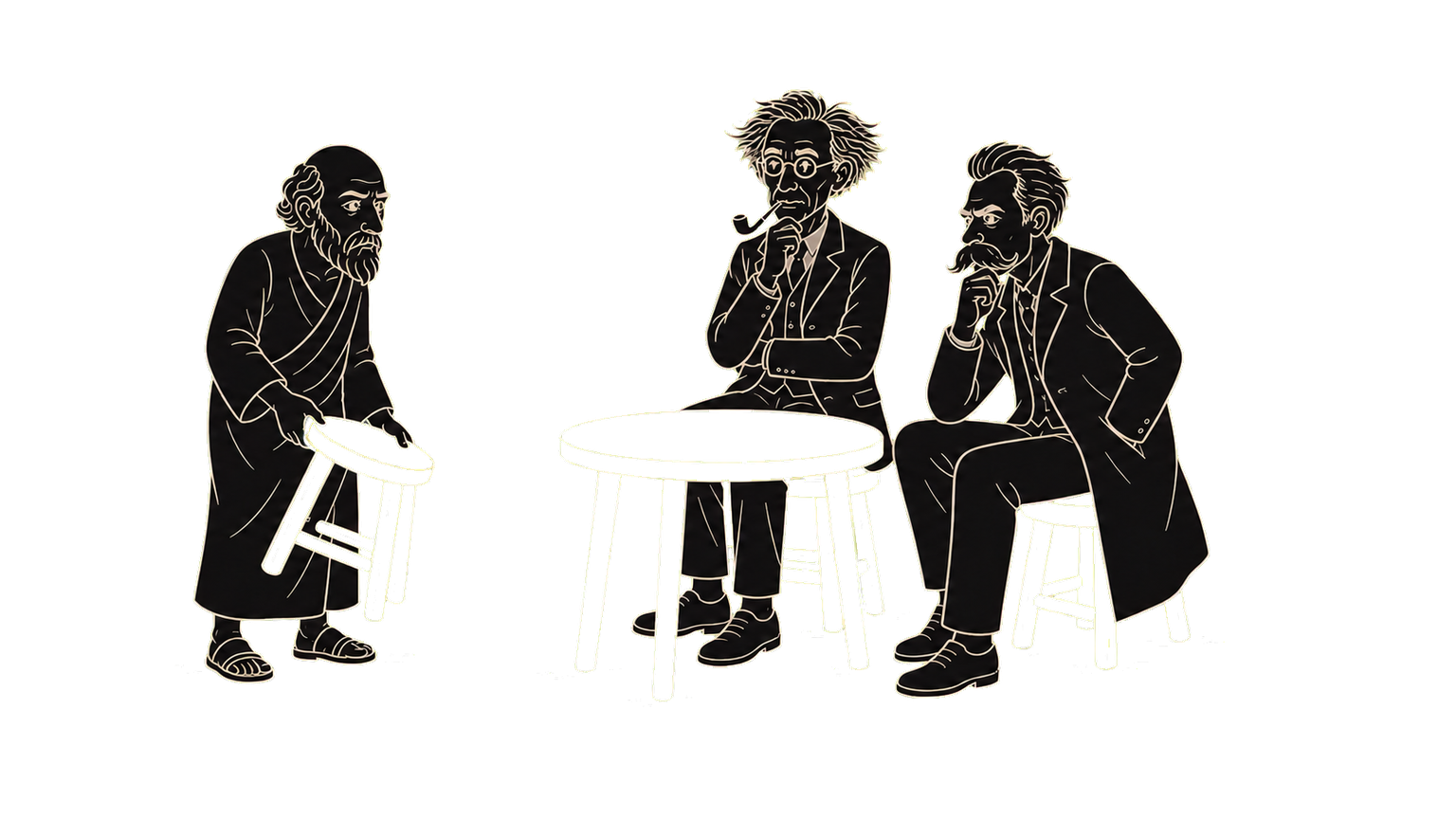
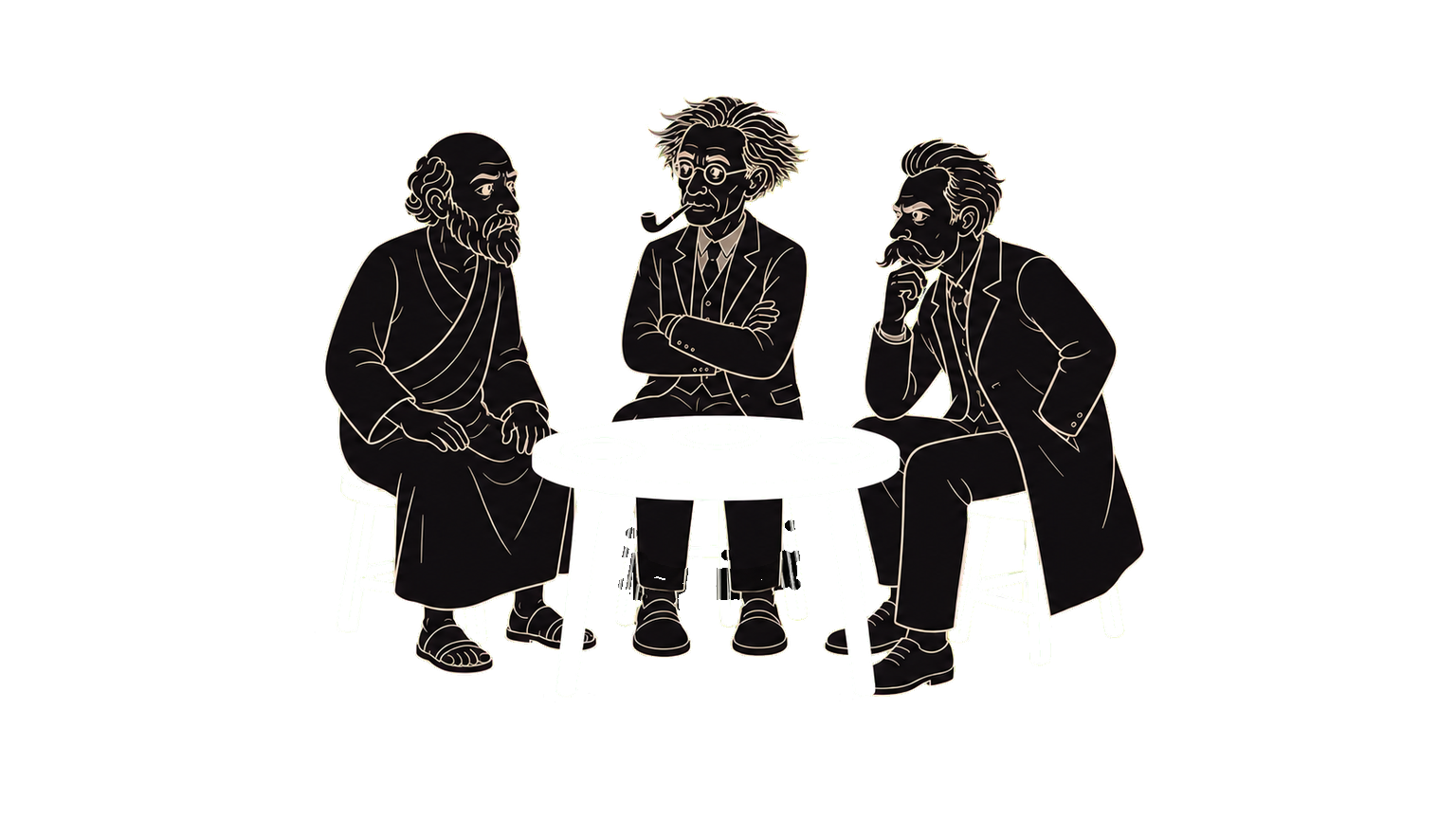
Six thinkers. Six neighbours. One increasingly theoretical meal.
Seat six philosophers around one table and discover which genuine agreements and structural conflicts their neighbours create.
Who Said It?
A famous name can make nonsense sound expensive.
Separate twelve genuine philosophical positions from plausible claims that reverse, flatten or misattribute them.
Bad Argument Arena
Name the fallacy before confidence wins the bout.
Identify twelve broken inferences as philosopher characters face distortion, distraction and fraudulent evidence.
Would This Annoy Kant?
Ordinary excuses. Categorical paperwork. Nobody is leaving early.
Test twelve everyday maxims against universal law, truthfulness, respect for persons and moral worth. The excuses are ordinary; the test is not.
How results work
The decision leaves evidence
If the same principle survives one case and collapses in another, that fracture is part of the result.
It states what your decisions repeatedly protected, sacrificed or refused. The next move is to answer it.