Security is the condition that makes other liberties usable.
Strong public authority may be justified where fear and violence would otherwise destroy ordinary freedom.
Political philosophy
The problem in miniature
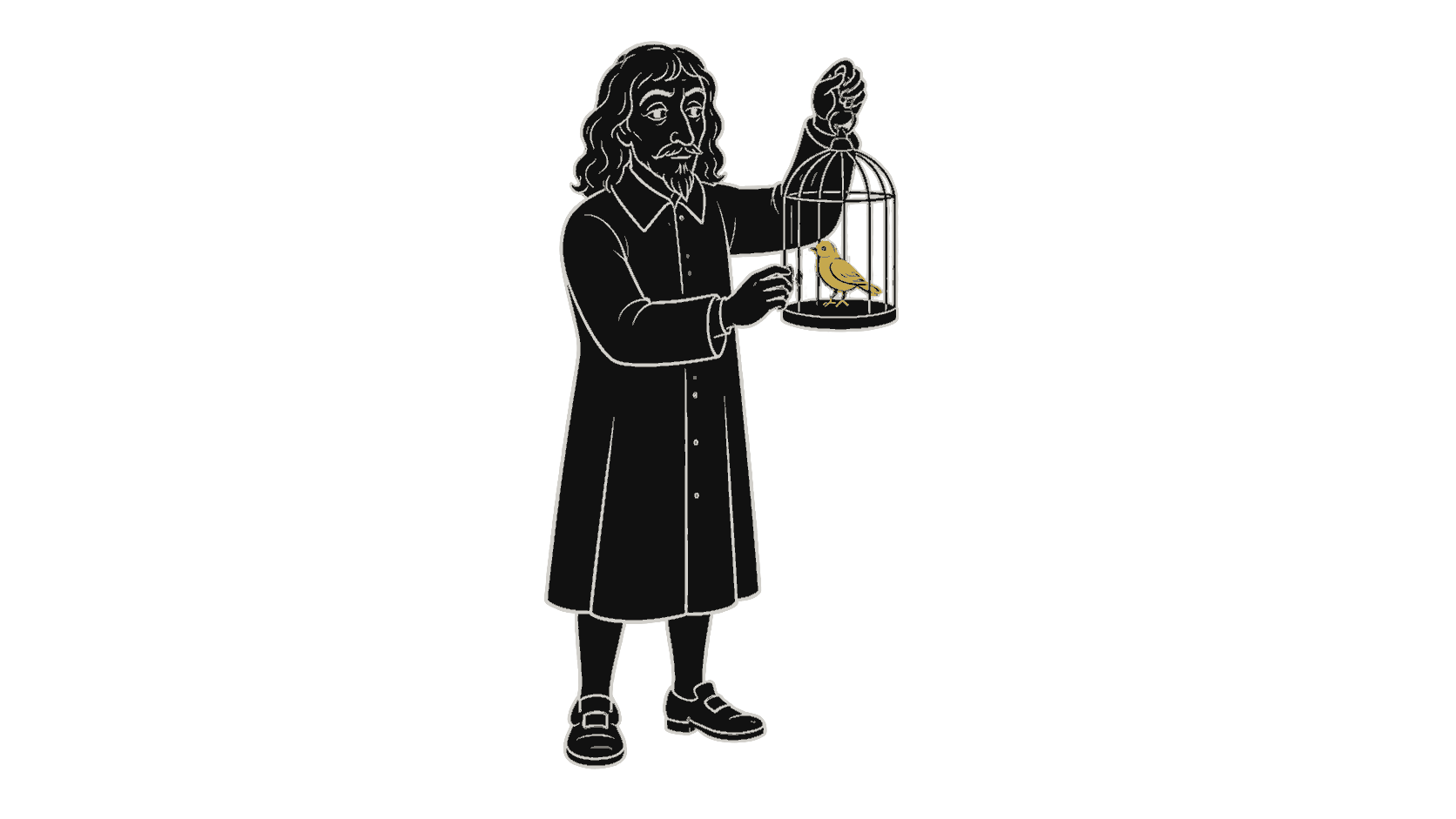
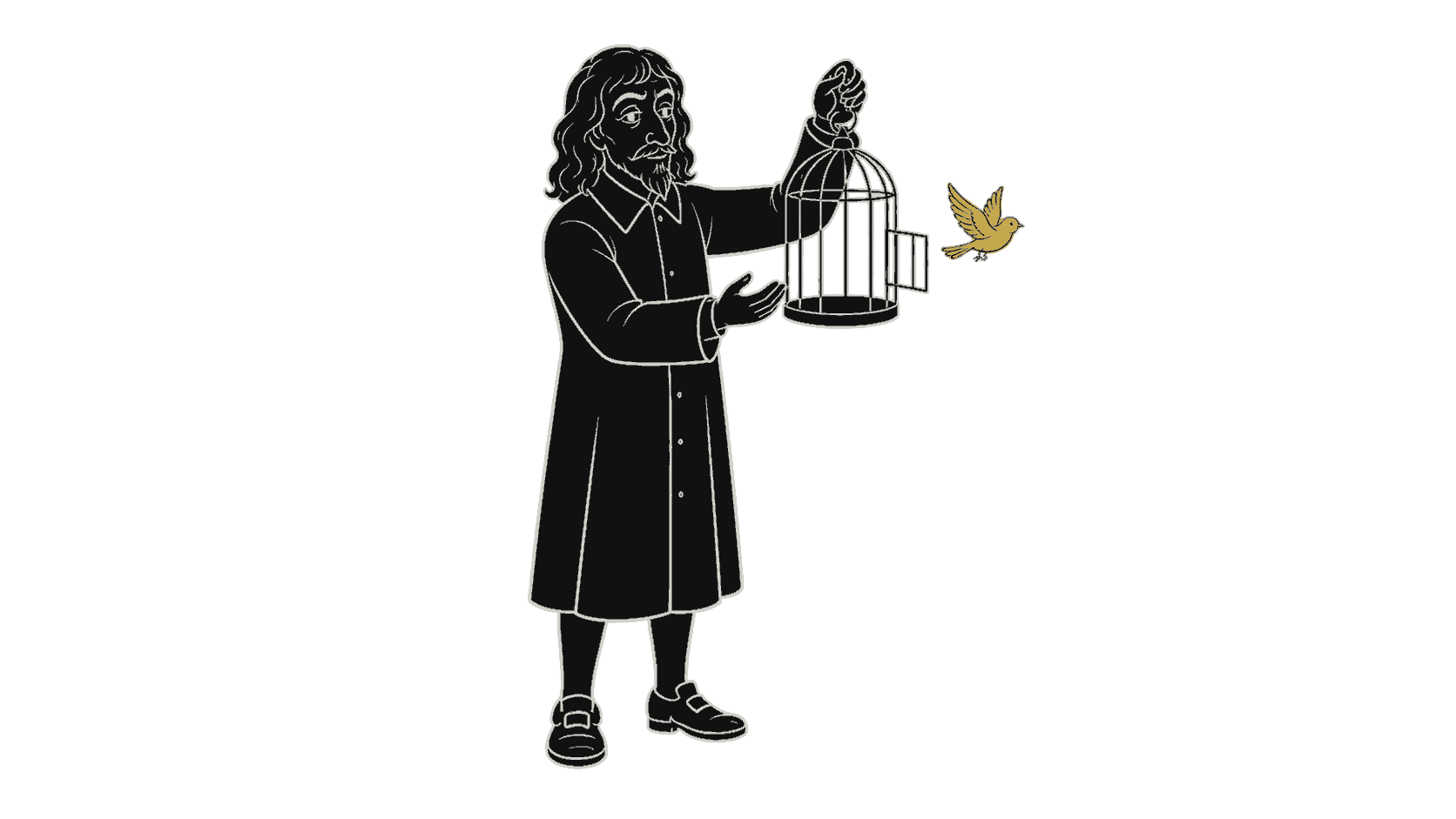
A city can prevent almost every serious crime by recording every message, journey and meeting. An automated system identifies danger before anyone is harmed, and officials promise to use its decisions only for public safety. People become safer, but they cannot know when an ordinary joke, friendship or political disagreement has been marked as suspicious. Leaving the system would make neighbours less safe because the gaps weaken prediction for everyone. The policy offers a real collective benefit, yet transforms privacy and dissent into risks requiring justification.
Why this is difficult
Strong public authority may be justified where fear and violence would otherwise destroy ordinary freedom.
A safe society can still be unfree when surveillance changes what people dare to say or become.
Fear, unequal bargaining power and permanent emergency rules may make apparent consent unreliable.
Philosophers in the conversation
Hobbes argues that without an effective common power, insecurity makes stable cooperation and ordinary life impossible. Individuals author a sovereign to secure peace. The account gives protection deep political importance, while leaving a demanding question about how far sovereign authority may extend.
Locke also grounds government in consent, but treats political power as limited by rights and the purposes for which it is entrusted. Authority that systematically threatens life, liberty or property can lose legitimacy. Security is therefore a duty of government, not an unlimited permission.
Mill's harm principle permits coercion to prevent harm to others rather than simply to improve a person's own life. The difficulty lies in defining harm, especially where speech, risk and indirect effects are involved. A generous definition can turn a limit on power into its expansion.
Foucault examines how observation and normalisation can produce self-discipline. Power need not intervene visibly each time; people alter conduct because they may be watched and compared. Security institutions can therefore shape what counts as normal, suspicious or acceptable before any law is broken.
Key ideas
Follow the question through the curriculum
Explores the limits placed on belief, dissent and political action.
Continue into the curriculumApplies · unitTests authority and restraint where collective security is most severely threatened.
Continue into the curriculumTests · lessonAsks how protective force can remain governed by moral limits.
Continue into the curriculumReconsider your answer
A population deciding under fear may accept powers it would reject in calmer conditions, while temporary systems often create institutions and incentives that outlast the emergency.