
Evidence boundary
This was a mass civil-rights movement, not a lone-hero story. Racial injustice did not end with one campaign.
GCSE case study · Human Rights
The Montgomery Bus Boycott shows Christian belief contributing to disciplined, collective resistance against racial injustice.
01 · Case
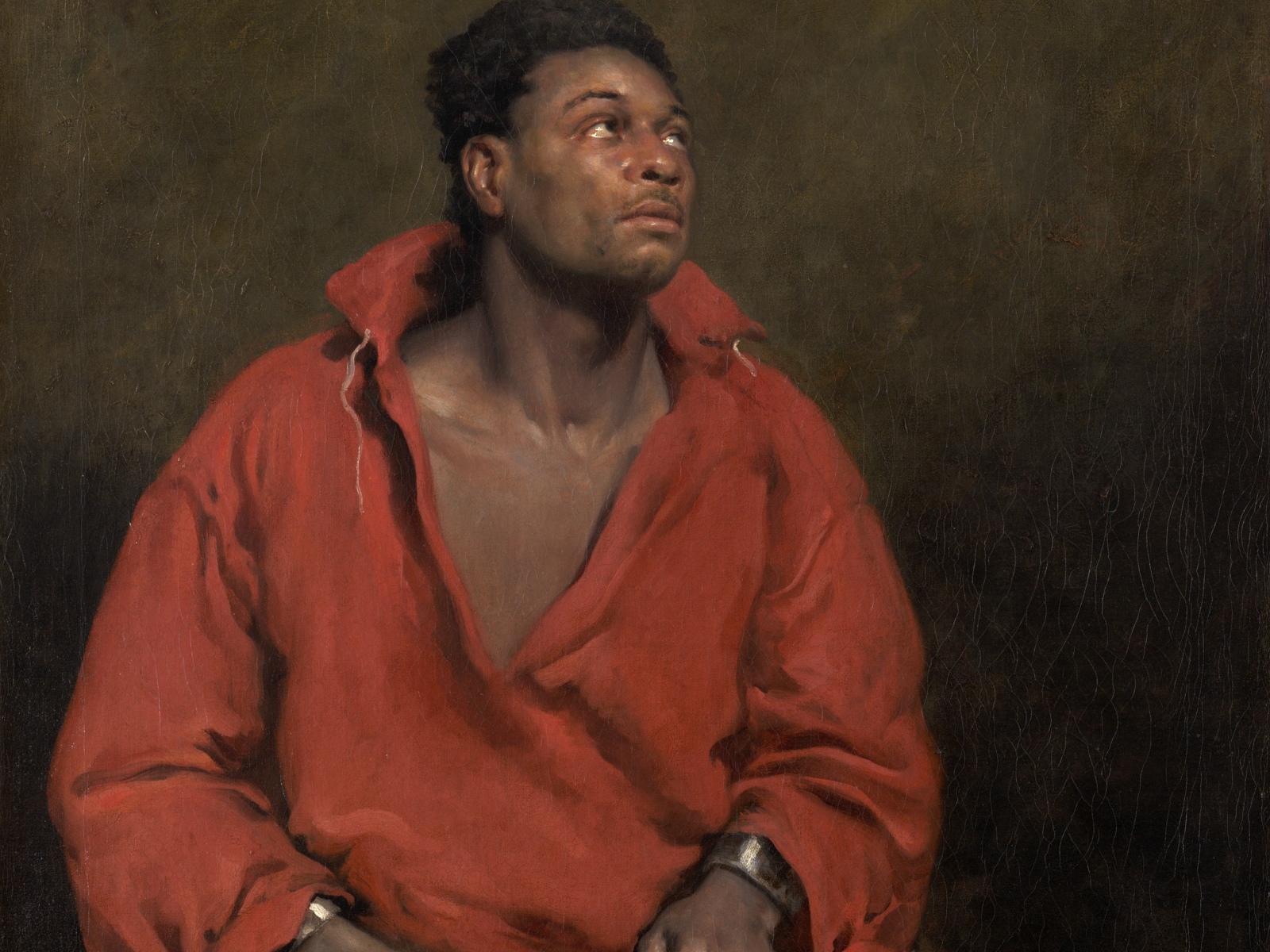
The Montgomery Bus Boycott ran from 5 December 1955 to 20 December 1956 and challenged segregated public transport. Martin Luther King Jr. became a prominent spokesperson, connecting Christian ethics with nonviolent resistance and drawing on Gandhian methods. The campaign, however, depended on sustained organisation and action across the Black community.
This matters because nonviolence is not the same as passivity, and leadership is not the same as acting alone. The case shows religious conviction operating through disciplined collective resistance rather than private belief only. It must not become a lone-hero story, nor a neat ending: one successful campaign did not bring all racial discrimination in the United States to an end.
02 · Establish
Start with the boundary, then attach every claim to its receipt.
Evidence boundary
This was a mass civil-rights movement, not a lone-hero story. Racial injustice did not end with one campaign.
The Montgomery Bus Boycott ran from 5 December 1955 to 20 December 1956 and challenged segregated public transport.
Sources: The Martin Luther King, Jr. Research and Education Institute, Stanford UniversityKing became a prominent spokesperson, but the boycott depended on sustained collective organisation and action by the Black community.
Sources: The Martin Luther King, Jr. Research and Education Institute, Stanford UniversityKing connected Christian ethics and nonviolent resistance, while also learning from Gandhian methods.
Sources: The Martin Luther King, Jr. Research and Education Institute, Stanford University03 · Test
Use the language carefully, find the tempting errors and inspect the complete evidence trail.
Concepts
Misconceptions
01. King acted alone.
02. Nonviolence means passivity.
03. The boycott immediately ended all US racial discrimination.
Evidence trail
Test the claims above and notice what each source can — and cannot — show.
The Martin Luther King, Jr. Research and Education Institute, Stanford University · academic archive
Supports the historical case; avoid reducing a wider movement to one individual. Checked 2026-08-18.Eduqas · assessment authority
Controls required content; it is not evidence that every named view is uncontested. Checked 2026-08-18.04 · Apply
Attempt each question in your notes or on paper before opening its indicative guidance.
State two accurate facts about Martin Luther King Jr. and the Montgomery Bus Boycott.
Credit two distinct, source-supported facts. Do not credit an organisation claim as independently verified impact.
Explain how Martin Luther King Jr. and the Montgomery Bus Boycott connects with racial discrimination, human rights, personal conviction, prejudice, social justice, nonviolence.
Develop at least two accurate case-to-concept links. Naming a concept without explaining the link is insufficient.
What can one source in this fact file establish, and what can it not establish on its own?
Identify the source and type, make one supported utility point and one precise limitation. Generic claims that a source is biased earn no credit without explanation.
'Religious conviction is most valuable when it leads to civil disobedience.' Evaluate this statement.
Use the case accurately as evidence, test more than one perspective and reach a justified conclusion. Case knowledge is evidence, not a substitute for reasoning.
Guidance is indicative, not an official mark scheme. This page does not collect or save answers.