
Evidence boundary
Karuna is one Buddhist-inspired charity. Its project claims and current totals are first-party evidence that needs dated checking; registered status does not prove causal impact.
GCSE case study · Human Rights
Karuna shows a British Buddhist-inspired charity working with communities facing poverty and discrimination in South Asia.
01 · Case
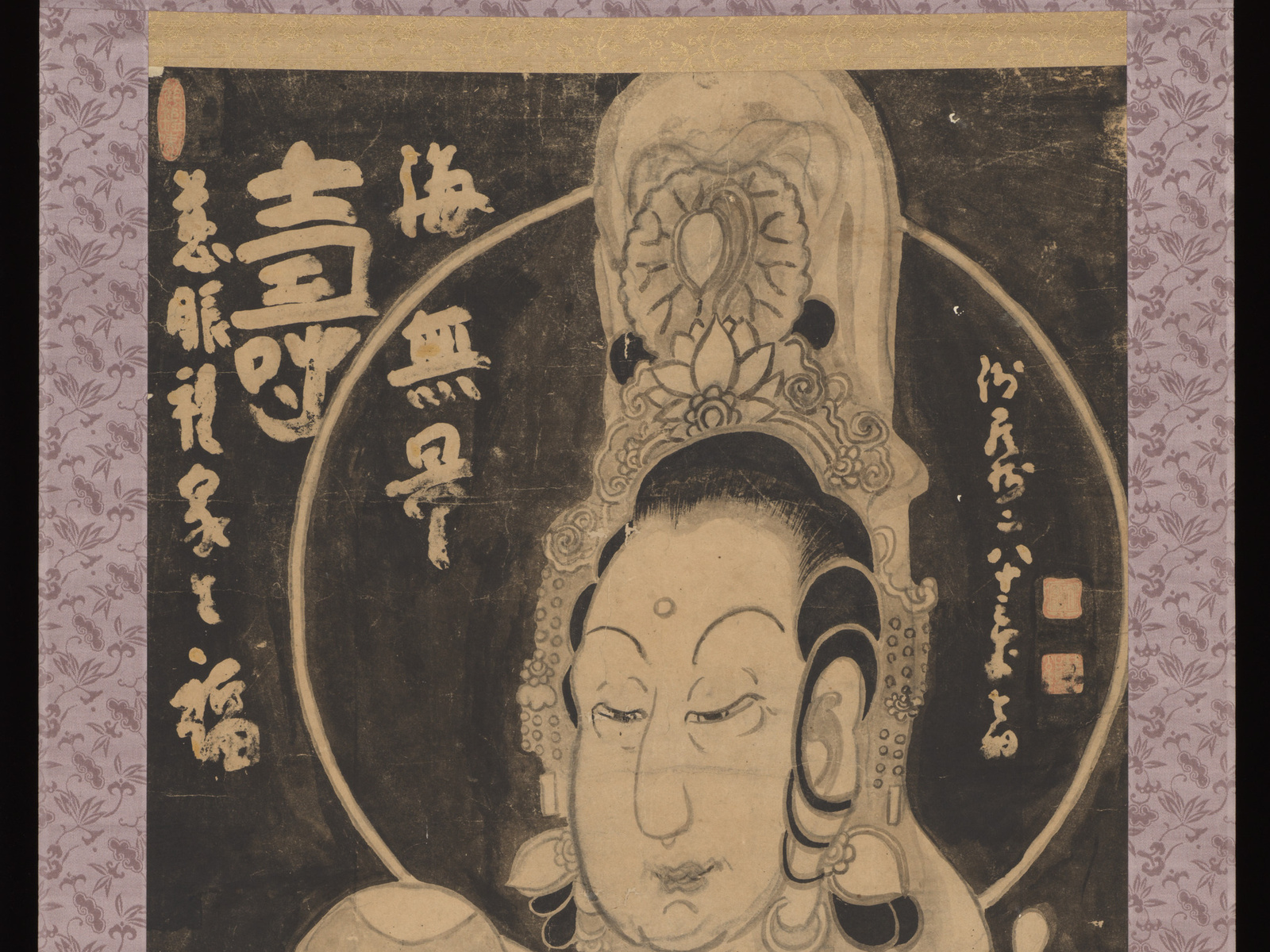
Karuna describes itself as a charity inspired by Buddhist values and working with excluded communities in South Asia. Its current approach centres locally led work in education, gender equality, livelihoods and climate resilience. The Charity Commission confirms its registered identity as charity number 327461 and its stated areas of activity.
The case connects Buddhist values with organised work on poverty and discrimination rather than treating Buddhist charity as meditation teaching alone. Evidence still needs sorting carefully: Karuna's pages establish its approach and project claims, while the official register confirms charitable status and activities. Neither source, by itself, proves causal impact, and one Buddhist-inspired charity does not represent every Buddhist.
02 · Establish
Start with the boundary, then attach every claim to its receipt.
Evidence boundary
Karuna is one Buddhist-inspired charity. Its project claims and current totals are first-party evidence that needs dated checking; registered status does not prove causal impact.
Karuna describes itself as a charity inspired by Buddhist values and working with excluded communities in South Asia.
Sources: KarunaIts current approach centres locally led work in education, gender equality, livelihoods and climate resilience.
Sources: KarunaThe Charity Commission confirms charity number 327461 and registered activity addressing discrimination through locally led education, gender equality and sustainable livelihoods.
Sources: Charity Commission for England and Wales03 · Test
Use the language carefully, find the tempting errors and inspect the complete evidence trail.
Concepts
Misconceptions
01. All Buddhist charity is meditation teaching.
02. Karuna represents every Buddhist.
03. Charity registration proves every programme succeeds.
Evidence trail
Test the claims above and notice what each source can — and cannot — show.
Karuna · first party charity
Supports current approach; live totals and impact claims need dated audited evidence. Checked 2026-08-18.Charity Commission for England and Wales · official registry
Confirms charitable identity and registered activities, not causal impact. Checked 2026-08-18.Eduqas · assessment authority
Controls required content; it is not evidence that every named view is uncontested. Checked 2026-08-18.04 · Apply
Attempt each question in your notes or on paper before opening its indicative guidance.
State two accurate facts about Karuna: Buddhist values, poverty and discrimination.
Credit two distinct, source-supported facts. Do not credit an organisation claim as independently verified impact.
Explain how Karuna: Buddhist values, poverty and discrimination connects with karuna, poverty, discrimination, social justice, education, sustainable livelihoods.
Develop at least two accurate case-to-concept links. Naming a concept without explaining the link is insufficient.
What can one source in this fact file establish, and what can it not establish on its own?
Identify the source and type, make one supported utility point and one precise limitation. Generic claims that a source is biased earn no credit without explanation.
'Education is the most effective way for religious charities to reduce poverty.' Evaluate this statement.
Use the case accurately as evidence, test more than one perspective and reach a justified conclusion. Case knowledge is evidence, not a substitute for reasoning.
Guidance is indicative, not an official mark scheme. This page does not collect or save answers.