
Evidence boundary
This is a religious narrative in translation, not a modern court report. Its interpretation and moral purpose matter independently of literal agreement.
GCSE case study · Good and Evil
The story of Angulimala asks whether a person can change and whether anyone is reducible to their worst past action.
01 · Case
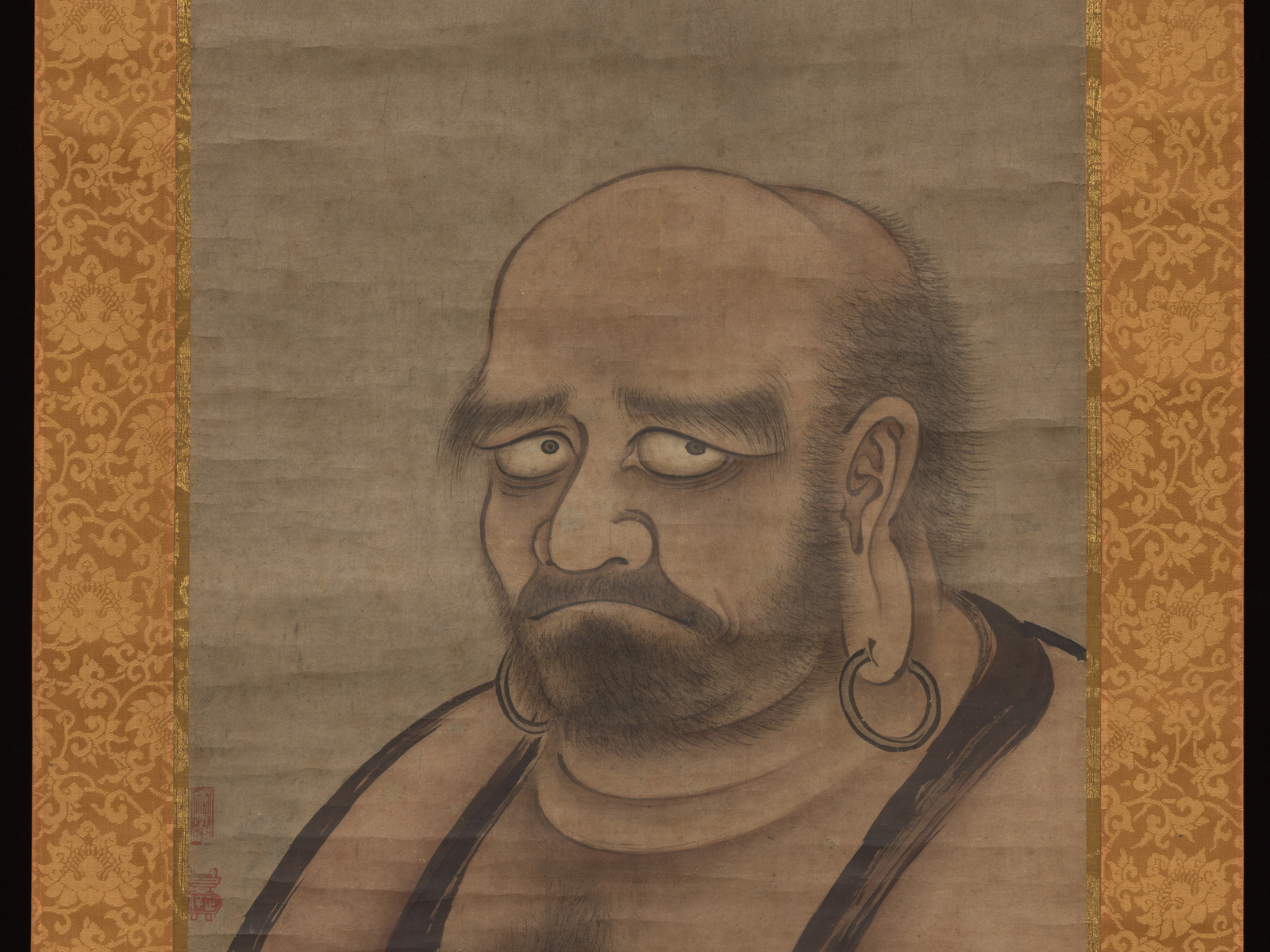
In MN 86, Angulimala is presented as a violent killer whose encounter with the Buddha leads him to renounce violence and become a monk. The Buddha confronts him without retaliatory violence, using persuasion and moral transformation. Angulimala later suffers hostility and injury rather than simply escaping every consequence.
The narrative therefore holds forgiveness and responsibility together. A person may change without making past harm unreal; punishment, consequence and moral reform do not collapse into one idea. This is a translated religious narrative, not a modern court report, so its moral purpose and interpretation matter even where readers differ about literal history.
02 · Establish
Start with the boundary, then attach every claim to its receipt.
Evidence boundary
This is a religious narrative in translation, not a modern court report. Its interpretation and moral purpose matter independently of literal agreement.
MN 86 presents Angulimala as a violent killer whose encounter with the Buddha leads him to renounce violence and become a monk.
Sources: SuttaCentralThe Buddha confronts him without retaliatory violence, modelling persuasion and moral transformation.
Sources: SuttaCentralAngulimala later suffers hostility and injury, allowing discussion of consequence, justice and forgiveness rather than simple escape from responsibility.
Sources: SuttaCentral03 · Test
Use the language carefully, find the tempting errors and inspect the complete evidence trail.
Concepts
Misconceptions
01. Forgiveness cancels every consequence.
02. A person who has committed serious harm can never change.
03. The Buddha approves of Angulimala earlier violence.
Evidence trail
Test the claims above and notice what each source can — and cannot — show.
SuttaCentral · primary religious text
A translated canonical narrative interpreted differently across Buddhist contexts. Checked 2026-08-18.Eduqas · assessment authority
Controls required content; it is not evidence that every named view is uncontested. Checked 2026-08-18.04 · Apply
Attempt each question in your notes or on paper before opening its indicative guidance.
State two accurate facts about Angulimala: wrongdoing, transformation and forgiveness.
Credit two distinct, source-supported facts. Do not credit an organisation claim as independently verified impact.
Explain how Angulimala: wrongdoing, transformation and forgiveness connects with forgiveness, free will, justice, punishment, reformation, metta.
Develop at least two accurate case-to-concept links. Naming a concept without explaining the link is insufficient.
What can one source in this fact file establish, and what can it not establish on its own?
Identify the source and type, make one supported utility point and one precise limitation. Generic claims that a source is biased earn no credit without explanation.
'People who commit terrible crimes do not deserve forgiveness.' Evaluate this statement.
Use the case accurately as evidence, test more than one perspective and reach a justified conclusion. Case knowledge is evidence, not a substitute for reasoning.
Guidance is indicative, not an official mark scheme. This page does not collect or save answers.